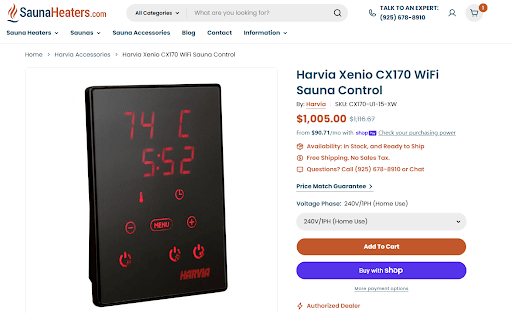
There’s something timeless about a traditional sauna. The ritual of heating the rocks, ladling water for steam, and sitting in that enveloping warmth has been cherished for centuries. But let’s be honest — we live in a world where we can adjust our home temperature from our phones, brew coffee with voice commands, and track our sleep patterns while we dream. It’s only natural that saunas are also becoming part of the smart home ecosystem.
Upgrading a traditional sauna to a smart system raises important questions about value, functionality, and long-term benefits. Understanding the key considerations in advance can help ensure the transition is both practical and worthwhile.
Why People Are Making the Switch
Before exploring the details, it’s important to understand what’s driving the growing interest in smart saunas. Traditional saunas are wonderful, but they require planning. A warm-up time of 30–45 minutes is required, with temperature settings adjusted manually and usage monitored throughout the session.
Smart saunas change the game by letting you control everything from your smartphone, set schedules, and even integrate with your other smart home devices.
You could start heating your sauna from the gym, so it’s perfect when you get home, or program it to be ready every morning at 6 AM without lifting a finger. This degree of convenience is difficult to overlook.
Your Budget Reality Check
An important starting point is the overall cost involved. Upgrading to a smart sauna system isn’t pocket change, and you need to go in with your eyes wide open.
Smart sauna control systems are usually priced from $500 to $2,000, with variations driven by features and brand selection. That’s just for the control unit itself. When upgrading a traditional sauna, installation costs should also be considered, often adding $300 to $800 based on the scope of work and the need for professional electrical services.
Here’s what impacts your budget:
- The sophistication of the system: Basic models offer remote temperature control and timers, while premium versions include humidity sensors, chromotherapy lighting, aromatherapy dispensers, and integration with smart home ecosystems like Alexa or Google Home.
- Your current sauna setup: If your traditional sauna is fairly new and in good condition, retrofitting is generally easy to accomplish. Older saunas might need electrical upgrades or new wiring to handle the smart components safely.
- Professional installation vs. DIY: While some handy homeowners can tackle the installation themselves, most smart sauna systems require electrical work that’s best left to licensed professionals. Don’t cut corners here — safety should always come first.
Many people find that the energy efficiency of smart systems helps offset the initial investment over time. Smart controls can reduce energy waste by ensuring your sauna only heats when needed and maintains optimal temperatures without overshooting.
Compatibility with Your Existing Sauna

Not all traditional saunas play nicely with smart upgrades. Among the technical factors involved, this carries the greatest impact, and errors can be costly.
First, check your sauna heater type. Smart control systems are primarily designed for electric sauna heaters, while compatibility with wood-burning saunas is more limited. In some cases, select systems can still track temperature and humidity without directly managing the heat source.
The age and brand of your sauna matter too. Modern saunas built in the last decade are generally easier to upgrade because they already have compatible electrical systems. Vintage saunas might need rewiring or component replacements. Contact the manufacturer of your existing sauna or consult with a smart sauna specialist to assess compatibility before buying anything.
Pay attention to voltage requirements as well. Smart control systems need to match your heater’s voltage (typically 240V for residential saunas in the US). Voltage incompatibility goes beyond efficiency concerns and creates potential safety issues.
Features That Actually Matter
When you start researching smart sauna systems, you’ll be bombarded with features. Some are genuinely useful; others are just flashy add-ons that’ll inflate your price tag without adding real value.
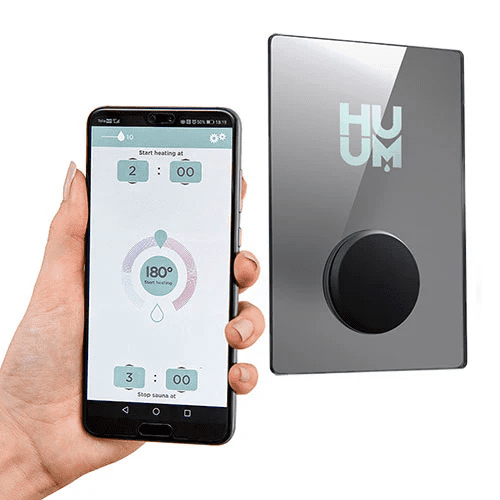
The must-haves that make upgrading worthwhile include:
- Remote control via smartphone app: This is the defining feature. You should be able to turn your sauna on, adjust the temperature, and set timers from anywhere. Make sure the app is user-friendly and has good reviews — a clunky app will frustrate you daily.
- Scheduling and automation: The ability to program your sauna to heat at specific times is incredibly convenient. Some systems even learn your patterns and make suggestions.
- Temperature precision and monitoring: Smart systems maintain consistent temperatures better than manual controls, which means a more comfortable experience and less energy waste. Real-time temperature monitoring is essential.
- Safety features: Look for automatic shutoff timers, overheat protection, and alerts if something goes wrong. Such features help enhance safety and reduce concerns in everyday use.
Nice-to-have features worth considering:
- Integration with smart home systems: If you’re already invested in Alexa, Google Home, or Apple HomeKit, having your sauna work with these platforms creates a seamless experience. Voice control feels futuristic but becomes genuinely convenient over time.
- Multi-user profiles: Different family members prefer different temperatures and session lengths. Some smart systems let each person save their preferences for one-touch customization.
- Energy usage tracking: If you’re environmentally conscious or just want to monitor costs, systems that track energy consumption can be valuable.
- Chromotherapy lighting: Colored LED lighting can enhance relaxation, though it’s definitely more of a luxury than a necessity.
Installation and Technical Requirements
The installation process for a smart sauna system involves greater complexity than standard smart home devices. There are electrical, safety, and warranty considerations that make professional installation worth serious consideration.
You’ll need a dedicated circuit for your sauna heater. This is usually already in place if you have a traditional electric sauna, but the smart controller might have different requirements. The control unit must be positioned where it is protected from high heat and moisture while remaining within the required operating distance of the sauna.
Wi-Fi connectivity is another factor. Your sauna needs to be within range of your home network for the smart features to work reliably. If your sauna is in a basement or detached building with a weak signal, you might need to install a Wi-Fi extender.
Check warranty implications too. Some traditional sauna warranties become void if you modify the electrical system without authorized service. Review your existing warranty and make sure any installers you hire are properly certified.
The User Experience Factor
Here’s something people don’t always consider: smart systems add a layer of technology to what’s traditionally been a simple, analog experience. For some folks, that’s fantastic. For others, it feels like an unnecessary complication.
Think honestly about your comfort level with technology. It’s worth considering whether the app’s features will be genuinely useful or ultimately become an unnecessary complication. Do other family members who use the sauna feel comfortable with app-based controls, or would they prefer simple buttons?
The best smart sauna systems offer both: app control for when you want it and physical controls for when you don’t. Ensure the system allows flexible use without requiring a smartphone for every operation.
Making Your Decision
Upgrading from a traditional to a smart sauna system can genuinely improve your wellness routine, save energy, and add convenience to your daily life. Still, this option isn’t universally appropriate and warrants a deliberate decision-making process.
Take time to assess your current sauna setup, define your budget, and identify which features would actually enhance your experience versus which ones just sound cool. Talk to professionals who can evaluate your specific situation, and don’t hesitate to reach out to smart sauna manufacturers with questions about compatibility.
If you love your traditional sauna but crave more convenience and control, smart technology can bridge that gap beautifully. Ensure the upgrade aligns with your lifestyle and needs, rather than simply following the latest trend.
After all, whether traditional or smart, the best sauna is the one you’ll actually use regularly. Make sure your upgrade supports that goal rather than complicating it.
Author Bio
Mark Adams is the resident sauna expert at SaunaHeaters.com, where he shares practical tips and advice on sauna heaters, maintenance, and wellness. He firmly believes that life’s best moments happen somewhere between a good steam and an ice-cold plunge