Many video ideas begin with a single image. It may be a product photo, a character design, an event poster, or a location captured in the right light. The image has already settled the subject, composition, and much of the mood. The next question is what should happen after that frame enters time.
Image-to-video tools are made for this stage. They let a finished visual asset develop movement, timing, and space while the creator decides what should change. A prompt can describe a turn, a camera move, a shift in light, or a sound arriving from outside the frame.
This is where model choice becomes practical. A product reveal, a character moment, and an event preview may all start from an image, yet each asks the model to solve a different visual problem.
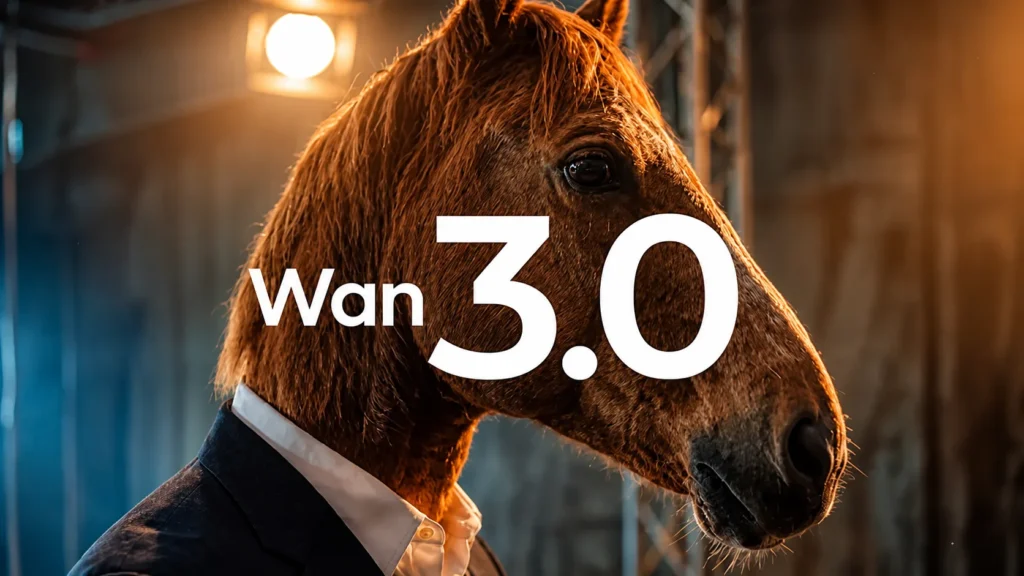
Wan 3.0 Is Built Around a Clear Creative Starting Point
Wan 3.0 is an AI video model designed for creators who want to develop prompts, images, references, and story ideas into short cinematic clips. Its workflow supports text-to-video, image-to-video, and reference-guided creation, giving a still image a defined role in the shot.
The current Wan 3.0 page presents video lengths from two to thirty seconds, with native audio included in the creation flow. First-frame and optional last-frame inputs give the creator a clearer beginning and destination for the shot.
That combination suits a product reveal, a transition between two spaces, or a character moving toward a planned ending. The process begins with a concrete visual question: what should this image do over the next few seconds?
The Model Handles More Than a Moving Subject
A still image gives Wan 3.0 more than an object to animate. It also suggests visual hierarchy, color relationships, camera perspective, and the details that make the scene recognizable.
The creator can preserve those details while introducing movement. A bottle can stay centered as a reflection travels across its surface. A character can remain visually consistent while turning toward a window. A room can keep its layout while the camera slowly reveals another corner.
This balance between preservation and change is central to image-to-video work. The more clearly the starting frame defines the subject, the more specifically the prompt can describe the motion around it.
Text, Images, and References Each Add a Different Layer
Wan 3.0 supports several ways to begin. Text is useful when the idea exists mainly as a scene description. A product image or portrait provides a stronger visual anchor when appearance matters. Additional references can clarify movement, lighting, style, or the intended setting.
Each asset works best when it has a clear job. The product image can establish shape and surface. A motion reference can suggest how the camera should travel. A style image can set the color and light. A short audio idea can define the energy of the moment.
This organization makes the result easier to understand. When a detail changes unexpectedly, the creator has a better idea of which part of the brief needs revision.
Movement Works Better When the Camera Has a Reason
A subject can move correctly while a shot still feels confusing. That often happens when the action and camera have no relationship. A person walks without attracting the lens, or a product rotates while the viewer has no visual priority.
Wan 3.0 prompts can connect the two. A person in a quiet station hears an announcement, turns toward the sound, and draws the camera from a side view into a closer profile. A product remains in the center while the camera makes a slow arc toward a material detail.
The camera does not need constant motion. A pause can make a reaction easier to read. A gradual push-in can give a face, texture, or final message more weight. The goal is to make every movement help the viewer understand the shot.
Native Audio Gives Short Clips a Sense of Place
Sound changes the meaning of a visual scene. Quiet room tone creates one kind of atmosphere. Footsteps, distant traffic, voices, or a machine running in the background can make the same space feel much more specific.
Wan 3.0 brings audio direction into the same creative flow as visible action. A station video can begin with a faraway announcement before the character enters. A stage performance can let applause grow with the movement. A product video can bring in music when the main subject appears.
The sound instruction can remain simple. State where the sound comes from, when it starts, and which action it should support. That is enough to give the first version a clearer sense of place.
First and Last Frames Give the Shot a Destination
A video becomes easier to direct when the beginning and ending are clear. Wan 3.0 supports a first-frame input and an optional last-frame input, so the creator can define the path between two visual states.
A packaging shot can begin with the product on a table and end with the front of the box facing the camera. A character scene can start outside a room and finish after the person has entered. A location transition can move from one established space toward another planned view.
These boundaries give the prompt a practical role. It explains what happens between the two points, instead of leaving the entire direction open.
Where Wan 3.0 Fits in Real Creative Work
For product teams, Wan 3.0 can turn a still product image into a short reveal, packaging animation, fashion movement, or lifestyle scene. The source image protects the visual identity while the prompt describes how the product enters, moves, or catches the light.
For character creators, a portrait can become a small performance. A turn of the head, a change in expression, a few spoken words, or a reaction to an off-screen sound can give the character a moment to inhabit.
For event teams, a poster or venue image can become a preview. Keep the key information readable while the surrounding space gains light, people, and motion. Designers, directors, and advertising teams can also use generated shots as early visual material for a storyboard or treatment.
A Good Prompt Describes the Change
The first prompt does not need to read like a complete screenplay. It needs to explain what the image should become.
A useful order is simple: name the subject, describe one main action, add the camera movement, set the atmosphere or sound, and finish with the final moment.
For example: “A person in a dark coat stands on a wet street at dawn. The person slowly looks toward a warm light at the corner. The camera moves from a medium shot into a close profile. Reflections stay visible on the pavement, with distant traffic in the background. End on the person’s face as the light grows brighter.”
If the motion is too quick, adjust the pacing. If the face loses attention, clarify the camera distance. If the background becomes busy, remove secondary movement. Focused revisions make it easier to learn what the model is responding to.
Review the Result as a Working Draft
The first generation is most useful when it gives the creator something specific to evaluate. Watch once for the overall feeling, then return to the moments that carry the message.
Check whether the subject appears at the right time, whether the camera highlights the intended detail, whether the sound belongs to the action, and whether the ending leaves a clear impression.
Change one variable at a time when possible. Keep the image and action while adjusting the camera. Then keep the camera while changing the pace or sound. A usable first version makes the next creative choice easier.
A Simple Place to Begin
The easiest Wan 3.0 test starts with an image that already has a purpose: a campaign product shot, a character sheet, an event poster, or a location photo.
An image to video workflow gives that first test a practical home. The creator can compare a few motion directions, review the result, and decide whether the idea needs more references, audio, or a different ending.
If the project later grows into a reference-heavy, multi-shot brief, Seedance 2.5 is a related option worth exploring. For a focused creative question built around one image and one directed shot, Wan 3.0 is a clear place to start.