
How Stolen Driver’s License Data Can Lead to Identity Theft

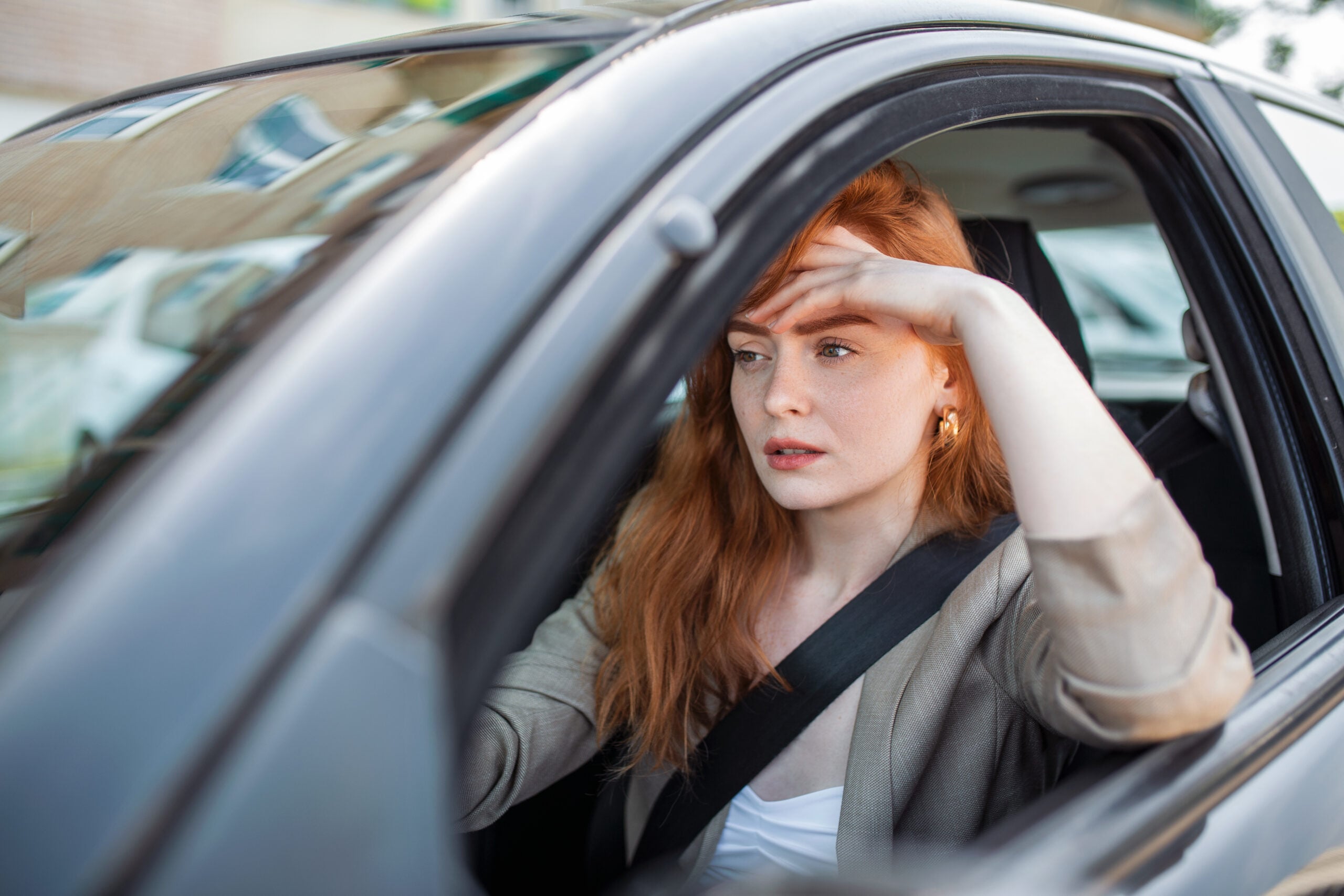
Exposed driver’s license numbers and personal information can help criminals impersonate consumers, bypass identity checks, and commit financial fraud
A stolen driver’s license can put more than your identification at risk. Criminals can use the personal information on it to impersonate you, open fraudulent accounts, create fake IDs, and make phishing scams more believable.
The threat is growing. The Federal Trade Commission (FTC) recorded nearly 1.4 million identity theft reports in 2025, a 19.6% increase from 2024, according to its 2026 report on consumer protection and fraud trends.
Patrick Glennon, chief technology officer at financial intelligence company IDIQ, said a driver’s license can provide criminals with valuable personal information that becomes more dangerous when combined with other compromised data. IDIQ offers identity theft protection services through its IdentityIQ brand.
“Your driver’s license contains personally identifiable information that criminals can use in a variety of ways,” Glennon said.
When combined with other personal details, such as a Social Security number, date of birth, home address, or financial account credentials, that information makes it easier for criminals to impersonate someone and commit fraud.
How Criminals Use Stolen Driver’s License Information
A driver’s license contains several pieces of personal information, including your full name, home address, date of birth, and license number. Many states also include barcodes or magnetic strips that hold additional information.
If criminals get their hands on these details, they can use them in several ways to commit identity fraud.
One possibility is creating a fake ID. A criminal can copy the information from a legitimate license and replace the photo with their own, then use the fake ID to pose as someone else.
This can cause problems for the real license holder, including traffic tickets they never received, inaccurate driving records, or even legal issues tied to something they didn’t do.
Stolen license information can also help criminals open fraudulent financial accounts or access existing ones. Banks and other financial institutions often ask for a government-issued ID when someone applies for an account or needs to verify their identity.
A license number by itself usually isn’t enough to get past these checks, but it can give criminals another piece of information they need to impersonate someone.
Criminals may also sell stolen license information on underground online marketplaces. When combined with other personal details, it can help them build a more complete profile of someone and make identity fraud easier.
Read more about what a criminal can do with your driver’s license information.
Why Sharing a Photo of Your Driver’s License Can Be Risky
Sharing your driver’s license number is one thing. Sending a photo of the entire license exposes even more personal information. If you send a photo of the front of your license, your name, address, date of birth, and license number are exposed. The back of the card can also contain a barcode that criminals may be able to scan and use to access additional details.
“A photo that captures the back of your license or its machine-readable barcode provides a fuller data set and may be usable with document-scanning software,” Glennon said.
Criminals can use these details to make scams more convincing. Knowing your name, address, and other personal information can help them pose as a bank, business, or government agency and trick you into sharing passwords or account details.
The risk increases when stolen driver’s license information is combined with other sensitive data, such as Social Security numbers or financial account credentials.
“The combination of license information with a Social Security number, financial account credentials, or other personal identifiers creates the highest fraud risk,” Glennon said.
Warning Signs of Driver’s License Identity Theft
You may not know right away if someone is using your driver’s license information. Keep an eye out for anything unusual, especially involving your finances, credit, or personal information.
Warning signs include unfamiliar credit applications or new accounts, unexpected verification requests or one-time passcodes, traffic tickets you don’t recognize, changes to your address, or financial mail that suddenly stops showing up.
Consumers can review additional warning signs of identity theft to identify suspicious activity before it develops into more extensive fraud.
What to Do if Your Driver’s License Is Lost or Stolen
Anyone who believes their driver’s license information has been compromised should begin by contacting the motor vehicle agency in the state that issued the document. State agencies have different procedures for reporting lost or stolen licenses, replacing identification, and determining whether a license number can be changed.
Consumers should also review and monitor their credit reports for unfamiliar accounts, inquiries, or changes to personal information. If you think your information has been exposed, the three major credit bureaus – Equifax, Experian and TransUnion – allow consumers to place security freezes on their credit files at no cost. A credit freeze can help prevent criminals from opening new credit accounts in their names.
If fraudulent activity is confirmed, consumers can file a report through the FTC’s IdentityTheft.gov identity theft recovery portal. The agency provides a personalized recovery plan and documentation that can help victims work with financial institutions and other organizations to resolve identity theft.
Protecting Personal Information from Identity Theft
Protecting your driver’s license information starts with being careful about who you share it with. Avoid sending photos of your license through unsolicited emails, texts, or social media.
“Share a license image only with verified organizations through their secure, official processes,” Glennon advised.
It’s also a good idea to check your credit reports and financial accounts regularly for anything unusual. Identity theft protection and credit monitoring can provide added peace of mind by alerting you to suspicious activity involving your personal information.
IdentityIQ’s identity theft protection plans offer features such as credit monitoring, Social Security number alerts, dark web monitoring and identity restoration support.
A driver’s license may seem like a routine form of identification, but the personal information it contains can give criminals another way to steal your identity. Taking a few simple steps to protect it can help reduce your risk.
Previously in Cybersecurity: How to Add Exploit Validation to Your Vulnerability Management Workflow






Comment