Introduction
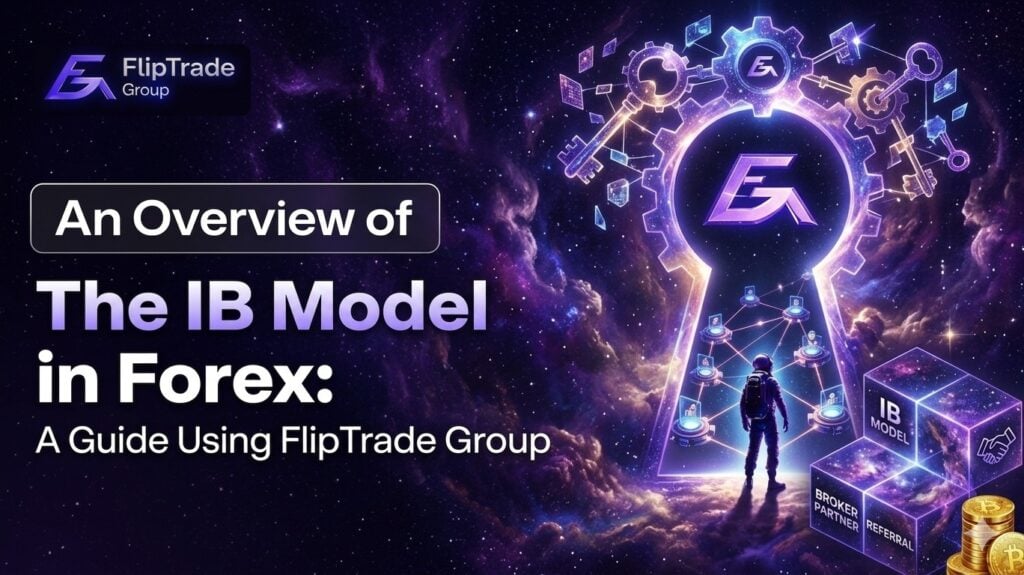
In recent years, the growth of online trading communities—across platforms like Telegram, YouTube, and WhatsApp—has created new ways for individuals to participate in financial markets beyond direct trading. One such model is the Introducing Broker (IB) program, which allows individuals to earn commissions by referring traders to brokerage platforms.
This article explains how the IB model works, how commission structures are typically designed, and how platforms like FlipTrade Group implement such programs.
What Is an Introducing Broker (IB)?
An Introducing Broker (IB) acts as an intermediary between traders and a brokerage firm. Instead of executing trades or managing client funds, the IB’s role is limited to referring clients to the broker.
Key characteristics of an IB role:
- No direct handling of client funds
- No requirement to execute trades on behalf of clients
- Earnings based on trading activity of referred users
- Typically does not require licensing in many jurisdictions (though this depends on local regulations)
In simple terms, it functions similarly to affiliate marketing—but instead of earning a one-time fee, IBs usually receive ongoing commissions based on trading volume.
How IB Programs Typically Work
While structures may vary slightly between brokers, most IB programs follow a similar process:
- Registration
An individual signs up through a broker’s partner or IB portal. - Referral Tracking
The IB receives a unique referral link used to onboard new traders. - Client Onboarding
Referred users open and fund trading accounts through that link. - Trading Activity
When referred clients trade (Forex, commodities, indices, etc.), their activity generates volume. - Commission Generation
The IB earns a rebate per lot traded, which accumulates over time. - Payouts
Commissions are credited periodically (daily, weekly, or monthly depending on the broker).
Commission Structure Explained
IB earnings are typically based on “round lots” traded, a standard unit in Forex markets.
Example structure (varies by broker):
- Forex pairs: fixed rebate per lot
- Gold (XAU/USD): similar per-lot commission
- Indices and commodities: volume-based rebates
- High-volume partners: may negotiate custom rates
This model ties IB income directly to client trading activity, rather than deposits alone.
Features Commonly Found in IB Platforms
Using FlipTrade Group as a case example, most modern IB programs offer:
- Real-time dashboards to monitor referrals and trading activity
- Automated tracking systems linking referrals permanently
- Flexible payout methods (bank transfer, crypto, e-wallets)
- Multi-level structures (in some cases), allowing IBs to refer other IBs
- Marketing tools such as banners, links, and analytics
These features are designed to help IBs manage and scale their referral networks efficiently.
Who Typically Becomes an IB?
The IB model is often adopted by individuals who already interact with trading audiences:
- Content creators (YouTube, Instagram, blogs)
- Signal providers and community admins
- Trading educators and mentors
- Active traders with peer networks
However, large audiences are not always necessary. Even small, active trading groups can generate consistent volume over time.
Understanding the Income Potential
IB earnings depend on three main factors:
- Number of active referrals
- Average trading volume per user
- Commission rate per lot
For example:
- 20 traders × 10 lots/month × $6 per lot = $1,200/month
This is a simplified estimate. In reality, trading volumes vary widely, and not all referrals remain consistently active.
It’s important to note:
- Income is not fixed or guaranteed
- It depends entirely on market participation
- Trader activity can fluctuate due to market conditions
Considerations Before Joining an IB Program
Before participating in any IB model, it’s important to evaluate:
- Regulatory Environment
Rules regarding referrals and commissions vary by country. - Broker Reputation
The reliability, execution quality, and transparency of the broker matter significantly. - Client Responsibility
While IBs don’t manage funds, they still influence where users trade, which carries ethical responsibility. - Risk Awareness
Trading in Forex and CFDs involves high risk, and many retail traders incur losses.
The Indian Market Context
India has seen increasing interest in global financial markets, particularly in:
- Forex trading (via offshore brokers)
- Gold (XAU/USD) trading
- Index-based CFDs
This growth has also led to a rise in:
- Trading communities
- Educational content
- Referral-based monetisation models like IB programs
However, traders and IBs should remain aware of regulatory limitations and compliance considerations within India.
Final Thoughts
The Introducing Broker model represents a performance-based referral system within the trading industry. It can serve as an additional income stream for individuals who already engage with trading communities, but it is not passive by default and depends heavily on user activity and market participation.
Platforms like FlipTrade Group provide one example of how such programs are structured, combining referral tracking, commission systems, and partner tools.
For anyone considering this model, the key is to approach it with:
- Clear understanding of how commissions work
- Realistic expectations about earnings
- Awareness of the risks involved in trading
Disclaimer
This article is for informational purposes only. Trading Forex and CFDs carries a high level of risk and may not be suitable for all investors. Always conduct your own research and ensure compliance with local regulations before participating in any trading or referral program.