
Understanding Different Types of Tow Trucks: Which One Do You Need

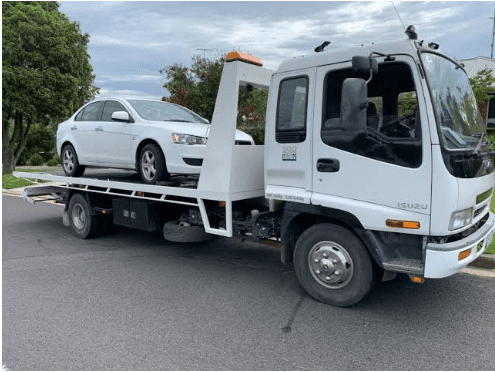
When a car stops in the middle of a busy Melbourne road, most people only think about getting off the lane as quickly as possible. Very few stop to consider what kind of tow truck Melbourne is on the way. Yet the type of truck that arrives can change how safe the job is, how much your vehicle is stressed and how long it takes before you are back on the move. Choosing the right setup is not only the work of the towing company. It also helps if drivers understand the basic differences.
Main types of tow trucks and how they work
Tilt tray and flat bed trucks
Many people picture a tilt tray truck as a vehicle with a long steel platform that lowers smoothly to the road surface. Using a powerful winch, the car is carefully pulled onto the tray before it is raised back into position. This process keeps all four wheels off the ground, making it one of the safest transport methods for All Wheel Drive vehicles, luxury cars, and heavily damaged automobiles. Many towing companies also rely on high-quality equipment and durable solutions like RealTruck Truck Accessories to improve safety, performance, and reliability during transport operations.
Tilt tray trucks are especially useful when a vehicle has locked wheels, suspension problems, or severe front-end damage. Instead of dragging the car and risking further harm, the operator can slowly guide it onto the tray and secure it with heavy-duty straps and chains. This provides greater stability and control, particularly on busy freeways or during long-distance towing, while also helping protect valuable vehicles from additional wear and tear.
Wheel lift trucks
Wheel lift trucks use a metal cradle that slides under the front or rear wheels. The cradle lifts that end of the vehicle while the other two wheels stay on the road. This style of towing is fast to set up and works well for short jobs, such as moving a car from a clearway zone or shifting an abandoned vehicle from a private driveway.
Because two wheels remain on the ground, wheel lift towing suits many standard passenger cars, but it is not ideal for severely damaged or very low vehicles. It is better used when the car still rolls freely, and the main challenge is access or time pressure.
Heavy-duty recovery trucks
For trucks, buses, motorhomes and loaded commercial vans, a standard tow truck is often not enough. Heavy-duty recovery trucks come with larger booms, stronger winches and reinforced chassis. They can lift and stabilise long wheelbase vehicles and manage the weight that would overwhelm a light towing setup.
These trucks are used on highways, industrial estates and construction sites where a breakdown can stop more than one vehicle and delay many people. Matching a heavy vehicle with the right recovery truck protects both the asset and the road surface.
Special towing for tight and underground spaces
In busy parts of Melbourne, many breakdowns happen in basements and tight car parks. Low ceilings and tight ramps limit what can enter. Some operators use shorter trucks with lower overall height and tighter turning circles specifically for these spaces. They may combine careful winching with slow, controlled moves rather than quick, straight-line loading.
How to work out which tow truck you need
When you call a towing company, the questions they ask are not small talk. Each answer helps them decide which truck and which driver to send. You can prepare by thinking through a few points before you call.
First, describe the type of vehicle. A small hatchback, family sedan, work ute, Four Wheel Drive or light truck each places different demands on the tow. Mention accessories such as roof racks, tool boxes or long ladders that may affect length and weight.
Second, explain the level of damage. Say clearly if the car still rolls, if any wheels are locked, if the steering turns and if there is fluid leaking onto the road. These details help the company decide whether a tilt tray is safer than a wheel lift.
Third, describe the location. Is the vehicle on a freeway shoulder, in a narrow lane, inside an underground car park or on a steep driveway? Access often matters more than distance. A company that focuses on car towing Melbourne day after day will listen for these clues and choose equipment that can actually reach you, not only tow you away.
Finally, talk about your next step. If the car is going to a local mechanic, a short tow may be enough. If you need to move it across the city to a dealer or panel shop, a tilt tray can reduce wear on tyres and drive line.
A reliable towing provider will guide you through these questions and recommend the safest and most efficient option. When the right truck arrives, loading is smoother, the scene clears faster, and you feel more confident that your vehicle is in good hands, even on a stressful day on Melbourne roads.





Comment