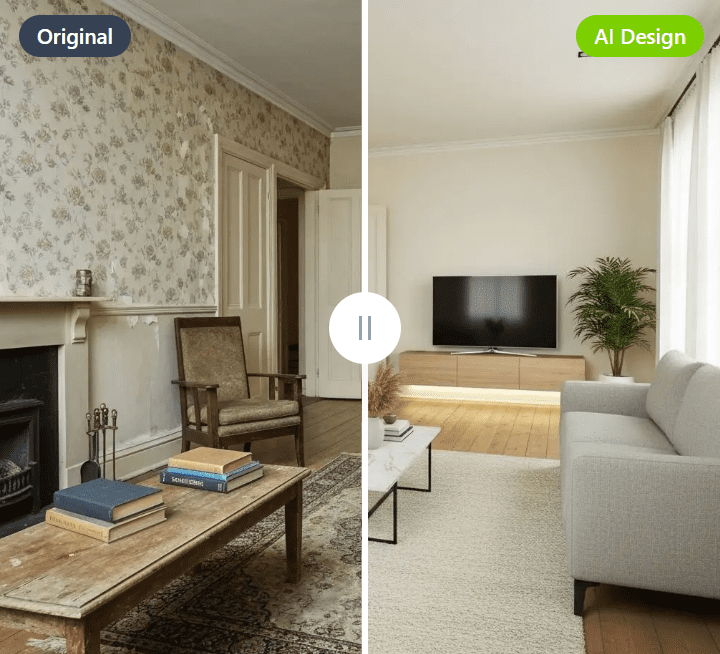
Interior design has always been a blend of creativity, functionality, and personal expression. From carefully selected color palettes to thoughtfully arranged furniture, every detail contributes to the atmosphere of a space. However, in recent years, technology has begun to reshape how we approach interior design. Among the most exciting developments is the emergence of AI-powered tools that simplify and enhance the decorating process. These innovations are making it easier than ever for homeowners, renters, and designers alike to visualize, plan, and execute stunning interiors.
One standout example in this evolving landscape is Dehome, a platform that is helping redefine how people design their living spaces. By integrating advanced artificial intelligence, tools like this offer personalized design suggestions, automate complex decisions, and provide realistic previews of potential room layouts—all within minutes.
The Evolution of Interior Design
Traditionally, interior design required a combination of expertise, time, and often a significant budget. Hiring professional designers, sourcing furniture, and experimenting with layouts could be both time-consuming and costly. Even for those with a keen eye for design, visualizing the final outcome before making changes was a major challenge.
The introduction of digital tools brought some improvement. Software programs allowed users to create floor plans and experiment with layouts. However, these tools often required technical knowledge and still lacked the intuitive, personalized guidance that many users needed.
This is where artificial intelligence steps in. By analyzing user preferences, room dimensions, lighting conditions, and even current design trends, AI tools can generate tailored recommendations that feel both professional and personal.
What Is an AI Room Decorator?
An ai room decorator is a digital tool powered by artificial intelligence that assists users in designing and decorating their spaces. Unlike traditional software, these systems use machine learning algorithms to understand user input and deliver intelligent suggestions.
For example, a user can upload a photo of their room, specify their preferred style—such as modern, minimalist, or bohemian—and receive multiple design concepts instantly. These tools can recommend furniture, color schemes, lighting options, and decor elements that align with the chosen aesthetic.
The real advantage lies in the ability to visualize changes before committing to them. Instead of guessing whether a sofa will match a wall color or if a layout will feel cramped, users can see realistic renderings that remove uncertainty from the process.
Why AI Is Transforming Interior Design
The impact of AI on interior design goes beyond convenience. It is fundamentally changing how people interact with their spaces and make design decisions.
1. Accessibility for Everyone
One of the biggest advantages of AI-driven design tools is accessibility. Not everyone has the budget to hire a professional interior designer, but AI tools provide similar guidance at a fraction of the cost—or even for free. This democratization of design empowers more people to create beautiful, functional spaces.
2. Time Efficiency
Designing a room traditionally could take weeks or even months. With AI, the process is significantly faster. Users can experiment with multiple styles and layouts in a single session, saving both time and effort.
3. Personalization at Scale
AI tools excel at personalization. By analyzing user preferences, browsing history, and even social media trends, they can tailor recommendations to individual tastes. This ensures that each design feels unique rather than generic.
4. Reduced Risk
Making design changes can be risky, especially when it involves expensive furniture or renovations. AI visualization reduces this risk by allowing users to preview outcomes before making decisions. This leads to more confident choices and fewer costly mistakes.
The Role of Platforms Like Dehome
Platforms such as Dehome are leading the charge in this transformation. By combining user-friendly interfaces with powerful AI algorithms, they make interior design accessible to a wider audience.
These platforms typically offer features like:
- Instant room visualization
- Style recommendations based on user input
- Furniture and decor suggestions
- Layout optimization
- Color palette generation
What sets them apart is their ability to learn and improve over time. As more users interact with the platform, the AI becomes better at predicting preferences and delivering more accurate recommendations.
Practical Applications of AI Room Decorators
The versatility of AI room decorators makes them useful in a variety of scenarios:
Homeowners
Homeowners looking to renovate or refresh their spaces can use AI tools to explore different design options without committing to a single idea. Whether it’s redesigning a living room or updating a bedroom, these tools provide inspiration and guidance.
Renters
Renters often face limitations when it comes to making permanent changes. AI tools can suggest temporary decor solutions, such as furniture arrangements and accessories, that enhance the space without violating lease agreements.
Real Estate Professionals
Real estate agents can use AI room decorators to stage properties virtually. By presenting potential buyers with beautifully designed interiors, they can increase the appeal of listings and improve sales outcomes.
Interior Designers
Even professionals can benefit from AI tools. They can use them to generate initial concepts, experiment with ideas, and streamline the design process, allowing them to focus more on creativity and client interaction.
Challenges and Limitations
While AI room decorators offer numerous benefits, they are not without limitations. Understanding these challenges is important for setting realistic expectations.
Lack of Human Touch
Although AI can generate impressive designs, it may lack the emotional and cultural nuances that human designers bring to the table. Personal stories, sentimental items, and unique preferences can sometimes be difficult for AI to fully capture.
Dependence on Data
AI systems rely heavily on data. If the input is inaccurate or incomplete, the output may not meet expectations. For example, incorrect room dimensions or poor-quality images can affect the quality of recommendations.
Over-Reliance on Trends
AI tools often draw from popular design trends, which can lead to designs that feel similar or lack originality. Users may need to add their own creative touch to achieve truly unique results.
The Future of AI in Interior Design
The future of AI in interior design looks incredibly promising. As technology continues to evolve, we can expect even more advanced features and capabilities.
Some potential developments include:
- Real-time augmented reality (AR) integration for immersive design experiences
- Voice-controlled design assistants
- Integration with smart home devices for seamless functionality
- Enhanced sustainability recommendations based on eco-friendly materials
These advancements will further blur the line between digital and physical design, making it easier for users to bring their ideas to life.
Conclusion
The integration of artificial intelligence into interior design is revolutionizing the way we create and experience our living spaces. Tools like Dehome and the growing popularity of the ai room decorator concept are making design more accessible, efficient, and personalized than ever before.
While AI may not replace human designers entirely, it serves as a powerful complement that enhances creativity and simplifies decision-making. Whether you’re redesigning a single room or planning a complete home makeover, AI-driven tools provide the guidance and inspiration needed to achieve stunning results.
As technology continues to advance, the possibilities for interior design will only expand, empowering individuals to transform their spaces with confidence and ease.