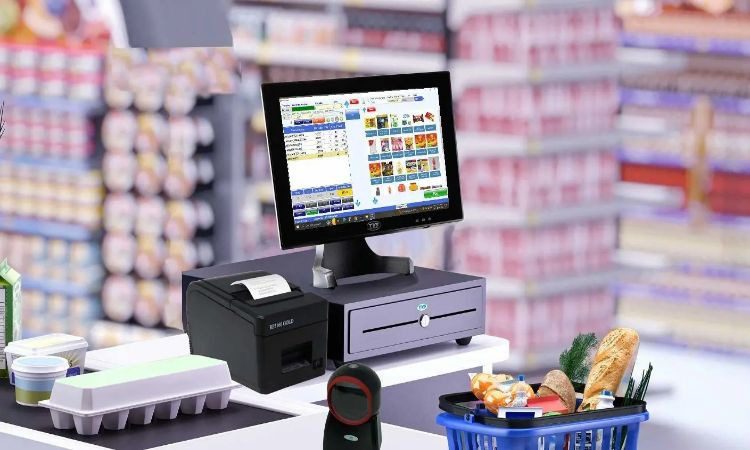
Running a retail store often feels like juggling many small moving parts at once. There are customers waiting at the counter, stock going in and out, suppliers calling, and accounts that still need to be balanced at the end of the day. Somewhere in the middle of all this sits your retail store billing software.
When it works well, most of this runs seamlessly in the background. When it does not, even a simple sale can turn into a long chain of checks and corrections. Many shop owners begin with something basic that prints bills, but as the business grows, the software is upgraded, too.
Why Billing Needs To Match What Happens At The Counter
In a busy store, sales happen fast; a customer picks an item, pays, and moves on. Behind that simple moment, stock levels should drop, totals should update, and the sale should appear in reports.
Good retail store billing software ensures that this is reflected accurately. The bill you raised reflects what was actually left on the shelf. This reduces the number of times someone needs to go back and adjust numbers later. When billing and stock stay connected, teams spend less time wondering if the system matches reality.
How Accounting Fits Into The Picture
Billing is only one part of the story. Every sale is also recorded in your books and that’s where accounting software comes in. When billing connects to accounting, revenue, taxes, and receivables update automatically. This means the end-of-day report shows the same numbers as the invoices at the counter.
This connection saves time and reduces confusion when someone asks how much was sold or what is still due.
Many retailers use BUSY because it brings billing and accounting into one place. Instead of treating them as two separate jobs, the system lets them flow into each other. A sale raised in the retail store billing software updates stock and also posts to accounts. This makes daily closing easier and reduces the chance of missed entries. For small teams, this approach feels more manageable.
Why Data Accuracy Shapes The Whole Experience
Retail data moves fast, prices change, discounts apply, returns are recorded, and more. If the system does not handle these shifts well, small errors begin to accumulate.
Good billing tools include checks that stop wrong entries. They pull item details from master lists and apply the right tax codes. These details keep numbers clean without extra effort. When accounting software draws from the same data, reports stay reliable.
What Helps During Compliance And Reviews
Retailers deal with tax filings, audits, and sometimes inspections. Clear records make these moments less stressful. A strong retail store billing software keeps a trail of what changed and when. It also lets teams preview data before sharing it, so errors get caught early. Access controls protect sensitive information, which matters when several people use the system.
Why Ease Of Use Still Matters Most
Even the best features mean little if people avoid the system, which usually happens when screens feel heavy or steps feel long. Simple layouts help new users get comfortable quickly and ensure that they use the system. This is especially important in retail, where staff turnover can be high.
Software like Busy keeps workflows familiar, which helps teams trust the tool during busy hours. When billing, stock, and accounts stay in sync, daily work feels smoother. Closing the day takes less time. Returns get handled without stress. Reports show what actually happened.
Looking at these features early helps retailers choose a setup that supports their pace of work rather than slowing it down.