Most fire incidents don’t begin with dramatic flames; they start quietly. A frayed wire behind a panel. Heat is building inside the overloaded equipment. A spark from welding landed unnoticed on combustible material. These are small, often invisible risks that grow when no one is actively looking for them.
Fire Watch Services Near Me are especially useful for large properties that require continuous monitoring.
This is where fire watch services play a decisive role not by reacting to fires, but by preventing them from forming in the first place.
Fire Watch as a Preventive Strategy, Not Just a Requirement
Fire watch is commonly understood as a temporary safety measure used when fire protection systems are offline. While that definition is accurate, it doesn’t fully capture its preventive value.
At its core, fire watch services involve trained personnel conducting continuous fire-risk monitoring to detect hazards early and act before they escalate.
This includes:
- Identifying heat sources before ignition
- Detecting smoke or unusual odors before visible fire
- Recognizing unsafe conditions that systems cannot interpret
Unlike alarms that trigger after thresholds are crossed, fire watch operates before those thresholds are reached.
What Happens Without Fire Watch: A Risk-Focused Perspective
To understand the importance of fire watch, it helps to examine what happens in its absence.
Delayed Detection
Without active monitoring, small issues can go unnoticed for extended periods. A minor electrical fault may develop into an active fire before anyone realizes it.
Escalation of Damage
Fire grows exponentially. Even a delay of a few minutes in detection can significantly increase damage to property and infrastructure.
Increased Threat to Life
In occupied buildings, especially hospitals or residential complexes, delayed response can create dangerous evacuation scenarios.
Compliance Violations
When fire watch requirements are ignored during system impairment or high-risk operations, organizations expose themselves to regulatory penalties and liability.
Fire watch is not just about meeting standards it prevents these outcomes from occurring in the first place.
Where Fire Watch Prevents Hazards in Real-World Environments
Fire watch services are most effective in environments where risk is elevated or conditions are constantly changing.
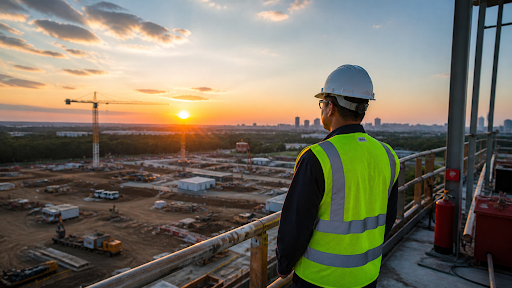
Construction and Renovation Sites
Construction areas are filled with dynamic hazards:
- Temporary electrical systems
- Flammable materials
- Structural changes affecting airflow and fire spread
Fire watch personnel actively monitor these variables, identifying risks before they evolve.
Hot Work Zones
Activities such as welding, cutting, and grinding are among the leading causes of workplace fires.
Fire watch guards:
- Observe active work areas for sparks
- Monitor surrounding surfaces for heat buildup
- Continue surveillance after work ends to detect delayed ignition
This extended monitoring is critical many fires start after work is completed.
System Failures in Commercial Buildings
When fire alarms or sprinkler systems are offline, detection becomes reactive rather than proactive.
Fire watch restores that proactive layer by ensuring:
- Continuous observation across all critical areas
- Immediate response to emerging risks
- No reliance on delayed system alerts
Warehouses and Storage Facilities
Large storage environments often contain combustible goods and limited visibility across wide areas.
Fire watch helps prevent:
- Undetected ignition in remote sections
- Spread of fire through stored materials
- Large-scale loss due to delayed intervention
The Responsibilities That Enable Prevention
Fire watch guards are not simply observers they are trained to actively prevent fire hazards through structured responsibilities.
Continuous Patrol and Inspection
Guards move through assigned areas, ensuring no section is left unmonitored.
Early Hazard Identification
They are trained to recognize:
- Overloaded circuits
- Improper storage of flammable materials
- Equipment operating outside normal conditions
- Obstructed exits or safety hazards
Immediate Corrective Action
When a risk is identified, guards take action by:
- Reporting hazards to management
- Removing minor risks when safe to do so
- Initiating emergency protocols if needed
Communication and Coordination
Fire watch personnel act as a direct link between on-site conditions and emergency services, ensuring rapid response when required.
Documentation for Accountability
Detailed logs are maintained, recording:
- Patrol times
- Observations
- Actions taken
This documentation supports both compliance and continuous improvement in safety practices.
Compliance and Prevention Go Hand in Hand
Fire safety compliance is often viewed as a regulatory burden. In reality, it exists to enforce preventive measures that reduce risk.
Standards set by OSHA, NFPA, and local fire marshals require fire watch under specific conditions because:
- System impairments create immediate vulnerability
- High-risk activities increase the likelihood of ignition
- Continuous monitoring is necessary to offset these risks
Compliance requirements typically include:
- Immediate deployment of fire watch during system downtime
- Continuous monitoring until risks are resolved
- Use of trained personnel capable of responding effectively
- Accurate documentation of all fire watch activities
These requirements are not arbitrary they are designed to ensure that prevention remains active even when systems are compromised.
Why Human Oversight Prevents What Systems Miss
Modern fire safety systems are highly effective, but they operate within predefined limits. They react to specific triggers smoke density, heat levels, or flame detection.
Humans, however, can detect patterns and anomalies before those triggers are reached.
Fire watch personnel can:
- Notice unusual smells that sensors may not detect
- Identify unsafe behaviors or conditions
- Interpret context, such as increased risk during certain activities
This ability to anticipate risk is what makes fire watch a preventive tool, not just a reactive one.
Choosing Fire Watch Services That Focus on Prevention
Not all fire watch services deliver the same level of protection. For prevention to be effective, the approach must be structured and professional.
Key considerations when selecting a provider:
Training and Competency
Personnel should be trained in fire prevention, not just response.
Experience in High-Risk Environments
Different industries require different approaches construction, healthcare, and industrial sites each present unique challenges.
Proactive Monitoring Approach
The focus should be on identifying risks early, not just responding to visible threats.
Strong Communication Protocols
Clear reporting ensures that risks are addressed quickly and effectively.
Compliance Awareness
Understanding fire safety compliance ensures that preventive measures align with regulatory expectations.
The Business Value of Preventing Fire Hazards
Beyond safety, fire prevention directly impacts operations and financial stability.
Effective fire watch services help organizations:
- Avoid costly damage and downtime
- Maintain compliance and avoid penalties
- Protect assets and infrastructure
- Preserve reputation and stakeholder confidence
Prevention is always more cost-effective than recovery.
A Shift in Perspective: From Reaction to Prevention
Many organizations initially approach fire watch as a reactive requirement something needed when systems fail.
Over time, the perspective shifts.
Fire watch becomes part of a proactive safety strategy, integrated into:
- Planned maintenance schedules
- High-risk operational periods
- Construction and renovation planning
This shift reflects a deeper understanding of risk: prevention is not a single action, but a continuous process.
Final Insight: Prevention Happens Before the Alarm
Fire safety systems are designed to respond but prevention happens before response is needed.
Fire watch services operate in that critical window:
- Before smoke becomes visible
- Before heat reaches dangerous levels
- Before a small issue becomes a major incident
They represent the human layer of protection that ensures risks are identified and addressed early. In the broader landscape of fire safety, their role is clear: They don’t just watch for fires, they stop them from starting.