In the fast-paced world of information technology, software development, and cybersecurity, professionals routinely log twelve-hour days glued to screens. While the tech industry continues to drive global innovation, it simultaneously fosters a silent health crisis among its workforce. The modern tech stack demands intense mental focus, which often results in physical immobility.
IT professionals frequently prioritize debugging code and deploying software updates over their physical well-being. Consequently, the sedentary nature of these roles places an immense, unnatural strain on the human body, particularly the musculoskeletal system. Over time, maintaining a static seated position for extended periods degrades structural integrity, turning back and neck issues into standard occupational hazards for developers and tech executives alike.
The Reality of the Modern Tech Workspace
The culture within tech startups and enterprise software corporations heavily rewards prolonged desk sessions. Sprints, hackathons, and critical system deployments encourage professionals to remain seated for hours without a single break. This uninterrupted sitting causes muscles to lock into specific shortened positions while leaving opposing muscle groups overstretched and weakened.
When an IT professional slumps forward to examine code, the natural lumbar curve flattens out, forcing the lower back to support an unequal distribution of weight. The tech ecosystem often celebrates digital agility, yet this frequently comes at the direct expense of physical mobility and long-term postural health.
Three Primary Biomechanical Pressures of Prolonged Sitting
To fully comprehend how sedentary desk jobs damage the back, it is essential to look at the underlying mechanical changes that occur when sitting. Continuous immobility creates localized stress that standard anatomy is not designed to withstand.
- Disc Compression: Sitting increases intradiscal pressure in the lumbar region, compressing spinal discs and accelerating wear.
- Muscle Atrophy: Core muscles remain completely inactive during long desk hours, transferring the burden of trunk stability directly to the spine.
- Poor Blood Circulation: Extended physical inactivity slows down blood flow through the spinal column, depriving discs of essential nutrients required for self-repair.
These compounding factors mean that standard IT environments can prematurely age a person’s spinal column, leaving them susceptible to chronic conditions.
When Repetitive Strain Escalates to Severe Structural Damage
What begins as a mild ache in the lower back can rapidly escalate into severe structural issues. Continuous postural neglect leads to degenerative disc disease, where the cushions of the vertebrae lose elasticity. As these discs deteriorate, nerve impingement becomes a frequent reality, leading to conditions like sciatica that radiate pain down the lower extremities.
For many tech workers, the tipping point occurs when a disc herniates or ruptures entirely, causing debilitating pain that severely limits daily productivity and sleep. At this stage, standard medications and brief stretching routines are no longer sufficient to manage the underlying anatomical damage.
Advanced Surgical Solutions for Severe Degeneration
When conservative treatment methodologies, such as physical therapy, chiropractic care, and targeted injections, fail to provide lasting relief, surgical options must be evaluated. For individuals suffering from severe instability, advanced disc degeneration, or structural abnormalities caused by years of poor posture, a spinal fusion surgery might be recommended. This specific surgical procedure permanently connects two or more vertebrae in the spine to eliminate painful motion between them and restore structural stability.
By fusing the compromised bones using bone grafts and specialized hardware like screws and rods, the procedure stops the agonizing friction that causes chronic neurological and mechanical pain. While recovery requires significant downtime, it remains a highly effective pathway for restoring quality of life when the spine can no longer support itself.
Two Essential Ergonomic Upgrades for IT Professionals
Mitigating the risks of a sedentary tech career requires intentional investment in a workspace designed to support natural anatomy. Upgrading office equipment can dramatically alter physical strain.
- Active Ergonomic Seating: Utilizing an ergonomic chair with adjustable lumbar support ensures the lower back maintains its natural inward curve.
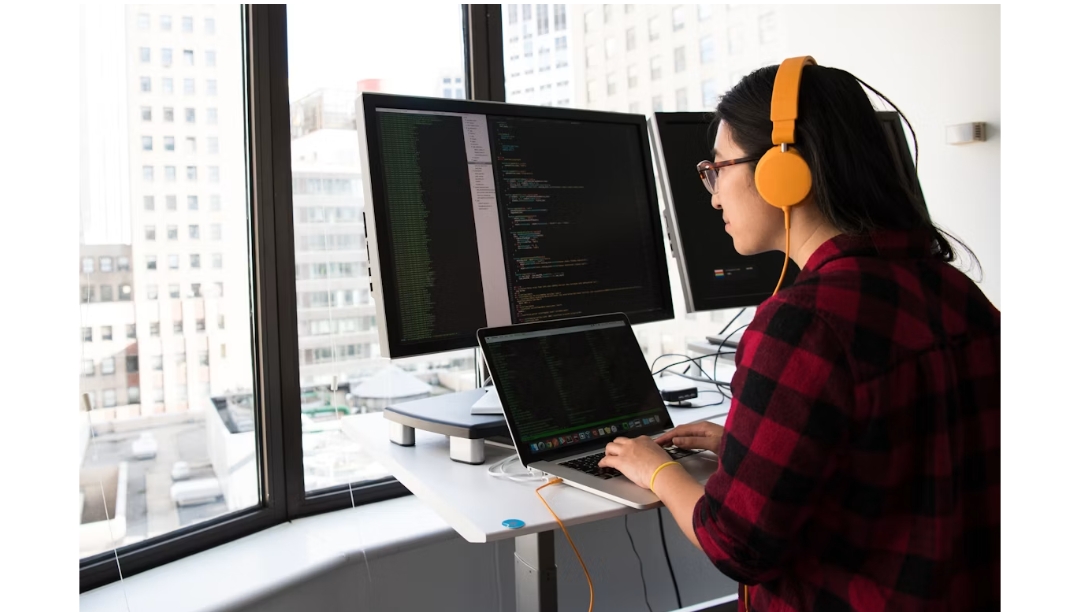
- Height-Adjustable Desks: Implementing a sit-stand desk allows IT professionals to seamlessly transition between sitting and standing throughout the workday, alternating the mechanical load.
By embedding these two technological adjustments into the daily workspace, developers can drastically decrease the continuous pressure that builds up during intense coding sessions.
One Fundamental Lifestyle Habit for Ultimate Spine Preservation
While high-end ergonomic hardware provides an excellent foundation, structural health cannot be maintained through equipment alone; it demands active habit formation.
- The Twenty-Minute Movement Rule: For every twenty minutes spent sitting, IT professionals should stand up and move for at least two minutes.
This simple behavioral habit stimulates blood circulation, rehydrates spinal discs, and resets muscle tension, acting as a crucial preventative measure against long-term spinal degeneration.
The tech industry will always demand focused desk work, but professionals do not have to sacrifice physical health for career success. Recognizing the severe impact of prolonged sitting on the spine is the first step toward preventing debilitating musculoskeletal conditions. By combining proactive ergonomic investments with consistent daily movement, IT workers can protect their physical health as effectively as they maintain digital systems. Prioritizing spinal health today ensures a sustainable, pain-free career in the digital landscape tomorrow.