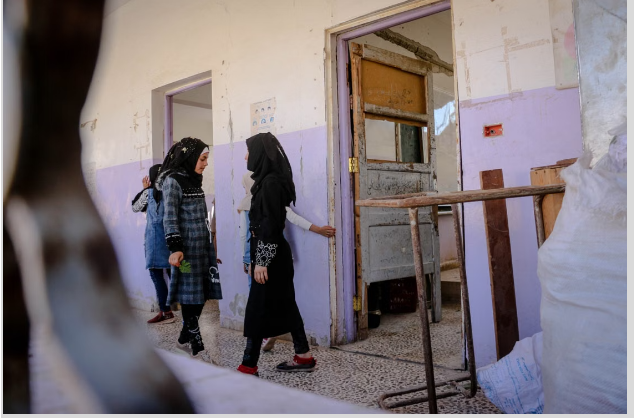
War leaves visible damage to homes, schools, and communities, but its deepest impact is often invisible. Fear, displacement, family separation, and prolonged uncertainty can affect how children think, learn, build relationships, and respond to the world around them. While food, shelter, healthcare, and child protection are essential during humanitarian crises, emotional recovery is equally important for helping children rebuild their lives.
Providing mental health support for children in war zones helps children process traumatic experiences, develop healthy coping skills, strengthen resilience, and reconnect with supportive relationships. UNESCO recognizes mental health and psychosocial support as an essential part of humanitarian recovery because it helps children, caregivers, and communities cope with trauma while supporting long-term healing.
According to UNICEF, more than 234 million school-aged children living in crisis settings require urgent educational support, and many are also experiencing prolonged stress caused by conflict, displacement, and disrupted childhoods. These realities highlight why mental health cannot be separated from humanitarian response.
Why Mental Health Is a Critical Part of Recovery
Children are still developing emotionally, socially, and cognitively. Experiences during childhood influence how they learn, communicate, solve problems, and build relationships throughout their lives. Conflict can interrupt this development by exposing children to repeated stress and uncertainty.
Without appropriate support, children may struggle with concentration, emotional regulation, sleep, or relationships. However, early intervention can strengthen resilience and help children recover in healthy ways. UNICEF emphasizes that safe environments, supportive relationships, and psychosocial care are essential for protecting children’s wellbeing during humanitarian crises.
Five Ways Mental Health Support Helps Children Heal
1. It Helps Children Process Traumatic Experiences
Every child’s response to conflict is different. Some openly express fear or sadness, while others withdraw, become unusually quiet, or struggle to communicate their emotions.
This is where child trauma counseling becomes valuable. Rather than encouraging children to forget difficult experiences, trained professionals create safe, age-appropriate opportunities for children to understand their emotions and develop healthy coping strategies.
Effective support often includes:
- Safe conversations with trusted adults.
- Creative activities such as drawing, storytelling, or play.
- Emotional regulation techniques appropriate for a child’s age.
- Consistent reassurance and supportive relationships.
These approaches help children gradually rebuild emotional security instead of carrying unresolved stress into adulthood.
2. Early Support Can Reduce the Long-Term Effects of Trauma
Not every child exposed to conflict develops PTSD in children, anxiety, or depression. However, repeated exposure to violence, displacement, or loss increases the risk of long-term psychological distress if appropriate support is unavailable.
Early mental health intervention focuses on recognizing signs of distress before they become more severe. This may involve helping children identify emotions, strengthen coping skills, and build trusting relationships with caregivers, teachers, and community workers.
Instead of waiting until challenges become overwhelming, early support encourages healthy emotional development while reducing the long-term impact of toxic stress.
3. Psychosocial Support Helps Children Feel Connected Again
One of the greatest losses many children experience during conflict is a sense of belonging. Friends, teachers, neighbors, and familiar routines may disappear almost overnight.
This is why psychosocial support for refugee children often combines emotional care with opportunities to reconnect through everyday activities rather than focusing only on clinical services.
These programs commonly encourage:
- Structured play and recreation.
- Peer learning and teamwork.
- Creative arts and music activities.
- Safe community spaces.
- Positive interactions with trusted adults.
These experiences help children rebuild confidence, strengthen social skills, and feel part of a supportive community again.
4. Mental Health Support Helps Children Re-engage With Learning
Emotional well-being and learning are closely connected. Children experiencing ongoing stress may find it difficult to concentrate, participate in class, or build positive relationships with teachers and classmates. Supporting their mental health creates a stronger foundation for learning and healthy development.
Many mental health programs in conflict zones work alongside schools and community learning spaces to ensure children receive emotional support while continuing their education. These programs often include trained facilitators, safe group activities, and referral pathways for children who need additional care.
Rather than viewing education and mental health as separate priorities, humanitarian organizations increasingly recognize that they work together to support children’s recovery.
5. Stronger Mental Health Builds Stronger Families and Communities
Helping children recover is rarely an individual effort. Parents, caregivers, teachers, and community members all play an important role in creating supportive environments where children feel safe, valued, and understood.
Many humanitarian programs involve families by:
- Helping caregivers understand how trauma can affect children’s behavior.
- Encouraging positive communication and supportive parenting.
- Connecting families with community resources and protection services.
- Creating safe spaces where children and caregivers can rebuild trust together.
This broader approach recognizes that children recover more effectively when the adults around them also receive guidance and support. UNICEF explains that strengthening families and communities is essential for protecting children’s wellbeing during humanitarian crises.
Why Early Mental Health Support Matters
The emotional effects of conflict do not always disappear once violence ends. Without timely support, prolonged stress can influence a child’s emotional well-being, relationships, education, and overall development. Early intervention helps children develop healthy coping strategies before these challenges become more difficult to address.
The World Health Organization (WHO) emphasizes that promoting mental health and psychosocial wellbeing during emergencies improves resilience and supports healthier long-term outcomes for children and adolescents.
Early support also benefits communities by helping children:
| How Children Benefit | Why It Matters |
| Build emotional resilience | Helps children adapt to future challenges. |
| Develop healthy relationships | Encourages trust, communication, and social connection. |
| Continue learning | Improves participation and confidence in education. |
| Strengthen coping skills | Supports healthier emotional development over time. |
These outcomes show that mental health support is not simply a response to crisis. It is an investment in children’s futures and the long-term well-being of their communities.
Bottom Line
Conflict can leave lasting emotional wounds that are not always visible, but they are no less important than physical injuries. Children need opportunities to feel safe, express their emotions, rebuild relationships, and regain confidence as they recover from the effects of war.
Providing mental health support for children in war zones helps make that recovery possible. Through child trauma counseling, psychosocial support for refugee children, and comprehensive mental health programs in conflict zones, children can develop the resilience, emotional well-being, and supportive relationships needed to move forward.
As humanitarian responses continue to evolve, recognizing mental health as an essential part of recovery will remain critical to helping children not only survive conflict but also build healthier, more hopeful futures.