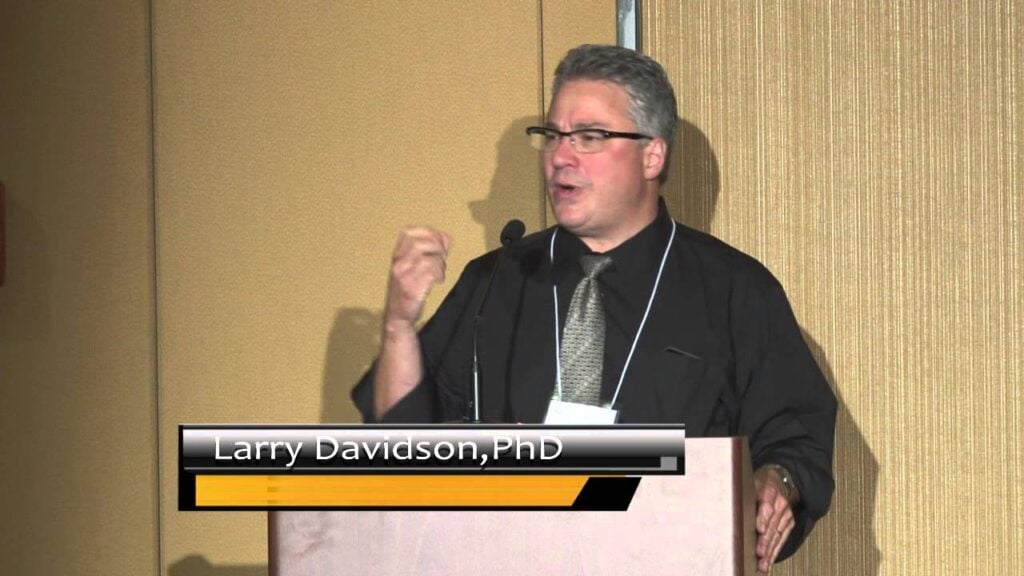
Back pain and spinal disorders affect millions of people worldwide, yet many individuals delay seeking medical attention because of long-standing misconceptions about spinal surgery. While surgery is not appropriate for every patient, advances in medical technology and surgical techniques have made many procedures safer and more effective than they were decades ago. According to Larry Davidson MD, separating fact from fiction is essential because unnecessary fear can prevent patients from exploring treatment options that may significantly improve their quality of life.
Myth 1: Spinal Surgery Is Always the First Treatment Option
One of the most common misconceptions is that surgeons immediately recommend surgery for anyone experiencing back or neck pain. In reality, spinal specialists typically begin with conservative treatments such as physical therapy, medication, activity modification, injections, or other non-surgical approaches whenever appropriate. Surgery is usually considered only after these treatments fail to provide sufficient relief or when neurological symptoms require more immediate intervention.
Every patient receives an individualized evaluation based on their diagnosis, symptoms, medical history, and overall health. Physicians carefully weigh the potential benefits and risks before recommending surgery, ensuring that treatment decisions reflect the patient’s specific condition rather than following a standard formula. This thoughtful process helps avoid unnecessary procedures while identifying patients who may truly benefit from surgical intervention.
Understanding that surgery is often one part of a broader treatment plan can help reduce unnecessary anxiety. Many patients discover that conservative care successfully manages their symptoms without requiring an operation. When surgery is recommended, it is generally because careful evaluation indicates that it offers the best opportunity for meaningful improvement.
Myth 2: Recovery Always Takes Many Months
Many people still believe that spinal surgery automatically requires prolonged hospitalization and months of complete inactivity. While recovery times vary depending on the procedure and the individual patient, advances in minimally invasive surgery have significantly changed the recovery experience for many people. Smaller incisions, improved surgical techniques, and enhanced recovery protocols often allow patients to resume normal activities sooner than in the past.
Modern rehabilitation programs focus on safe movement and gradual recovery rather than extended bed rest. Physicians and physical therapists develop personalized rehabilitation plans that encourage healing while helping patients regain strength and mobility as efficiently as possible. Early activity, when medically appropriate, often supports better overall outcomes.
Every recovery journey remains unique, and no two patients heal at exactly the same pace. Factors such as age, overall health, the complexity of the procedure, and adherence to postoperative instructions all influence recovery. Open communication with the healthcare team helps patients develop realistic expectations while monitoring progress throughout rehabilitation.
Myth 3: Surgery Is Too Risky Because Technology Has Not Improved
Some people don’t go to the doctor because they think spine surgery hasn’t changed much over the years. In reality, imaging, computer navigation, robotic-assisted surgery, and minimally invasive techniques have made a lot of progress in recent years, which has helped modern spine care. These techniques help surgeons do procedures more precisely. These technologies help plan surgeries and make sure that everything goes smoothly during complicated procedures.
Surgeons today also have access to very high-resolution images that let them carefully study each patient’s body before operations. Personalized planning helps doctors figure out the best way to do surgery while causing as little damage as possible to the tissues around the surgery site. Patient safety has been improved even more by ongoing improvements in anesthesia and care during surgery.
Although every surgical procedure involves some degree of risk, modern technology has substantially improved the tools available to experienced spine surgeons. Patients should discuss the benefits and potential risks of treatment with their physician rather than relying on outdated assumptions. Accurate information allows individuals to make informed decisions based on current medical evidence.
Myth 4: Back Pain Always Means Surgery Is Necessary
A common misunderstanding is that people with severe back pain have to have surgery. In fact, many causes of back pain can be effectively treated without surgery. These include physical therapy, exercise, medication, changes in lifestyle, and pain management techniques. Surgical intervention is only suggested when a medical exam shows that it is the best way to treat the underlying problem.
Before recommending surgery, spinal specialists consider many factors. The patient’s overall health, neurological exams, diagnostic imaging, and symptom severity are all important factors in determining the best treatment. This thorough review ensures that recommendations are tailored to each person, not just based on pain severity.
People who have chronic back pain should never think that they have to have surgery. Talking to a qualified spine specialist is a great way to learn about all of your treatment choices. Early review can often help keep symptoms from getting worse while also making more therapies available.
Myth 5: Surgery Ends the Need for Healthy Habits
Some people have the wrong idea that spinal surgery fixes all of their problems for good, no matter what they do in the future. Even if surgery fixes some structural problems, keeping up healthy habits afterward is still important for long-term spinal health. Long-term success depends on things like regular exercise, good posture, managing your weight, and doing what your rehabilitation specialist tells you to do.
Patients continue to recover for a long time after surgery is over. Patients who go to physical therapy and do what their doctor tells them to do often have better long-term results than those who think surgery will solve all of their problems. Taking care of yourself on a regular basis is still a key part of keeping your spine healthy.
Larry Davidson MD Neurosugeon South Carolina has consistently emphasized the importance of patient education throughout the treatment process. Helping patients understand their role in recovery encourages realistic expectations while supporting long-term improvements in mobility, comfort, and overall quality of life.
Why Accurate Information Matters
Medical misinformation can cause patients to postpone evaluations that could improve both their comfort and long-term health. Delaying appropriate treatment may allow certain spinal conditions to progress, making symptoms more difficult to manage over time. Seeking evaluation from a qualified spine specialist provides patients with accurate information tailored to their specific condition.
Healthcare providers work closely with patients to explain diagnoses, discuss treatment options, and answer questions before any major decisions are made. This collaborative approach allows individuals to participate actively in developing treatment plans that reflect their goals and personal circumstances. Open communication also helps replace fear with understanding.
As spinal surgery continues to evolve, education remains one of the most valuable tools for improving patient confidence. When individuals understand how modern spine care has advanced, they are better equipped to make informed decisions about their health. Accurate information empowers patients to seek care earlier rather than allowing misconceptions to guide important medical choices.
Conclusion
Many of the fears surrounding spinal surgery are based on outdated information rather than current medical practice. As Larry Davidson MD explains, advances in surgical techniques, imaging, rehabilitation, and patient-centered care have transformed the field over the past two decades. By understanding the facts behind these common myths, patients can approach treatment decisions with greater confidence and seek the care they need without unnecessary hesitation.