
AI Music Generators Now Cover the Full Workflow, From First Draft to Remix

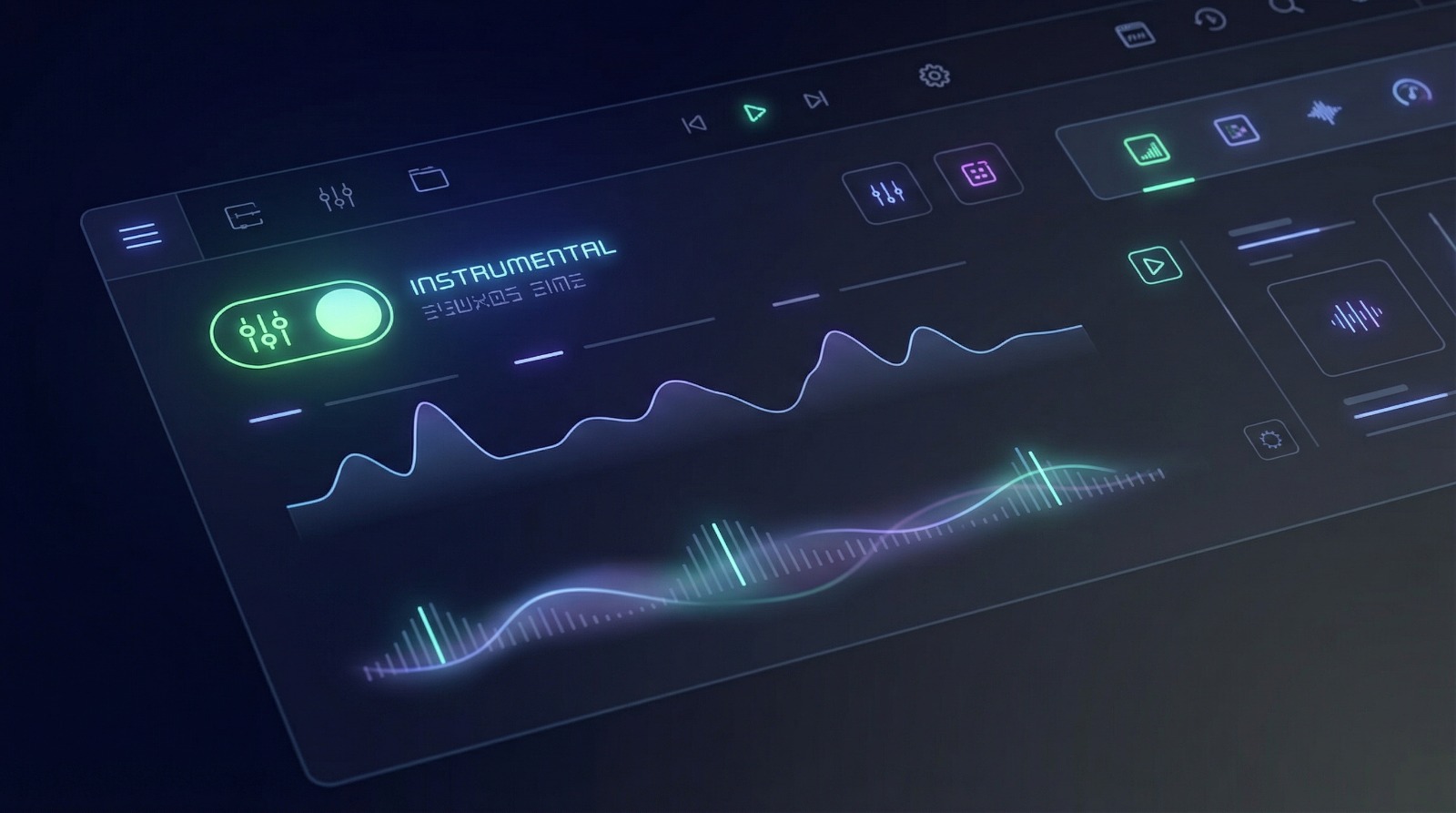
The first consumer AI music apps sold a simple idea: type a sentence, get a song. That idea still brings most people in, but the better products no longer stop at the first draft. Many now let creators rework a track once it exists. UniMusic’s AI music remixer, for example, is a tool that takes a song the user owns, either uploaded or picked from their library, and changes its genre, mood or arrangement on request while keeping the original melody recognizable.
Put the two halves together and the shape of the category changes. AI music software is turning into a workspace that handles the whole job, from a rough sketch to a finished alternate version, and that affects how creators use it, how labels license it and what buyers should check before paying.
Image: Yan Krukau via Pexels
Text-to-song generation is the standard first step
Generation is where nearly every workflow begins. A user describes a genre, a mood, the instruments and the kind of vocal they want, or pastes in lyrics they have already written, and the model returns a complete track with vocals or as an instrumental. A few minutes of typing can produce several versions of one idea.
That ease has a visible side effect. Deezer reported that at its peak in June 2026, more than half of its daily uploads were AI-generated, an average of 90,000 tracks a day, according to Music Ally. The same report put AI music’s share of Deezer streams at just 1 to 3 percent, with up to 85 percent of those streams flagged as fraudulent. Apple Music has said more than a third of its monthly uploads are fully AI-made, while that music accounts for well under half a percent of listening.
Working musicians treat a generated track as a sketch
The numbers above say that making a song is no longer the hard part. Making a song people choose to hear still is, and the musicians who use these tools seem to know it. A Side-Line survey of 821 professionals from the darkwave, EBM and industrial scene found that 82.0 percent of the producers and engineers in the sample had used some form of AI. Among current AI users, 45.7 percent used it for brainstorming and concept development, yet only 5.9 percent had generated a complete musical track.
That is the sensible way to read a generator’s output. It works as a sketch: a chorus idea, a tempo, a vocal texture worth keeping. The finished record is still made by a person, often with the generated draft as one of several reference points. Across all respondents in the same survey, 88.8 percent said they wanted human authorship to remain central.
Remixing carries the workflow past the first draft
Once a track exists, generated or recorded, the next job is revision, and this is where remix tools come in. A producer with one finished song can test a lo-fi version for a study playlist, a stripped acoustic take for a live session and a club edit for a DJ set without rebuilding each one in a DAW. On UniMusic’s tool, the source can be an MP3, WAV, OGG, M4A or FLAC file between ten seconds and six minutes long and no larger than 20 MB. The page estimates one to two minutes from upload to a finished remix.
Image: Alina Vilchenko via Pexels
The habit is different from generation. A generator user might make a handful of songs and keep one. A remixer user is more likely to produce a dozen variations of the same track, compare them side by side and keep two. One mode explores a new idea, the other refines an existing one, and a working creator usually needs both in the same week.
The biggest label deal in AI music includes remixing
The labels have noticed. In October 2025, Universal Music Group and Udio settled their copyright litigation and announced a licensed AI creation platform due in 2026, trained on authorized and licensed music and sold as a subscription. Billboard reported, as summarized by Pitchfork, that users would be able to make mashups, remixes and tempo changes of participating artists’ songs, and listen to the results only inside the service.
The commercial logic is easy to follow. A familiar song is something a fan already cares about. Letting that fan rework it, with the artist opting in and getting paid, sits comfortably next to original generation rather than replacing it.
Rights depend on who owns the source audio
Rights get more complicated at the remix stage, because remixing starts with audio that someone owns. UniMusic states that commercial use of remixes requires an active Professional or Studio subscription plus the rights to whatever audio is uploaded, and that remixes made on its Free and Starter plans are for personal, non-commercial use. A subscription does not clear someone else’s recording.
Generated songs raise a related question: whether commercial rights depend on an active plan, whether they cover songs made before an upgrade, and what happens to them after a cancellation. Buyers should get those answers in writing before relying on a track for a client project, a monetized video or a release.
Pricing terms deserve the same attention this month. LumiMusic, an AI music generator that turns prompts or lyrics into full songs, keeps a Suno Black Friday 2026 page comparing Suno’s plans with its own, and it notes that Suno’s regular Pro plan costs $10 a month with 20 song downloads, while LumiMusic’s paid plans have no download cap.
Image: Ivan S via Pexels
Buyers should match the plan to their whole workflow
For anyone choosing a tool, the useful exercise is to count rather than compare headline prices. Start with the number of tracks actually exported last month, then the number of versions made of each, then whether the work needs WAV files or MP3 is enough. A routine that mixes generation with heavy remixing can use up a 20-download allowance within days, while an occasional user may never come near it.
It also helps to check whether generation and editing sit in the same place. Moving a draft between services for stems or a remix adds exports and another set of license terms. A connected workspace saves time only if its rules on rights and downloads cover every step you plan to use.
The value now spans the first draft and every revision
Generation made it possible for almost anyone to hear a song idea in minutes, and that remains the core of these products. What has changed is the work that follows. Remix tools, licensed label platforms and clearer usage terms are filling in the steps between a rough draft and something worth releasing. For creators, the best tool is the one that handles the whole path, from the first prompt to the version that finally sounds right.






Comment