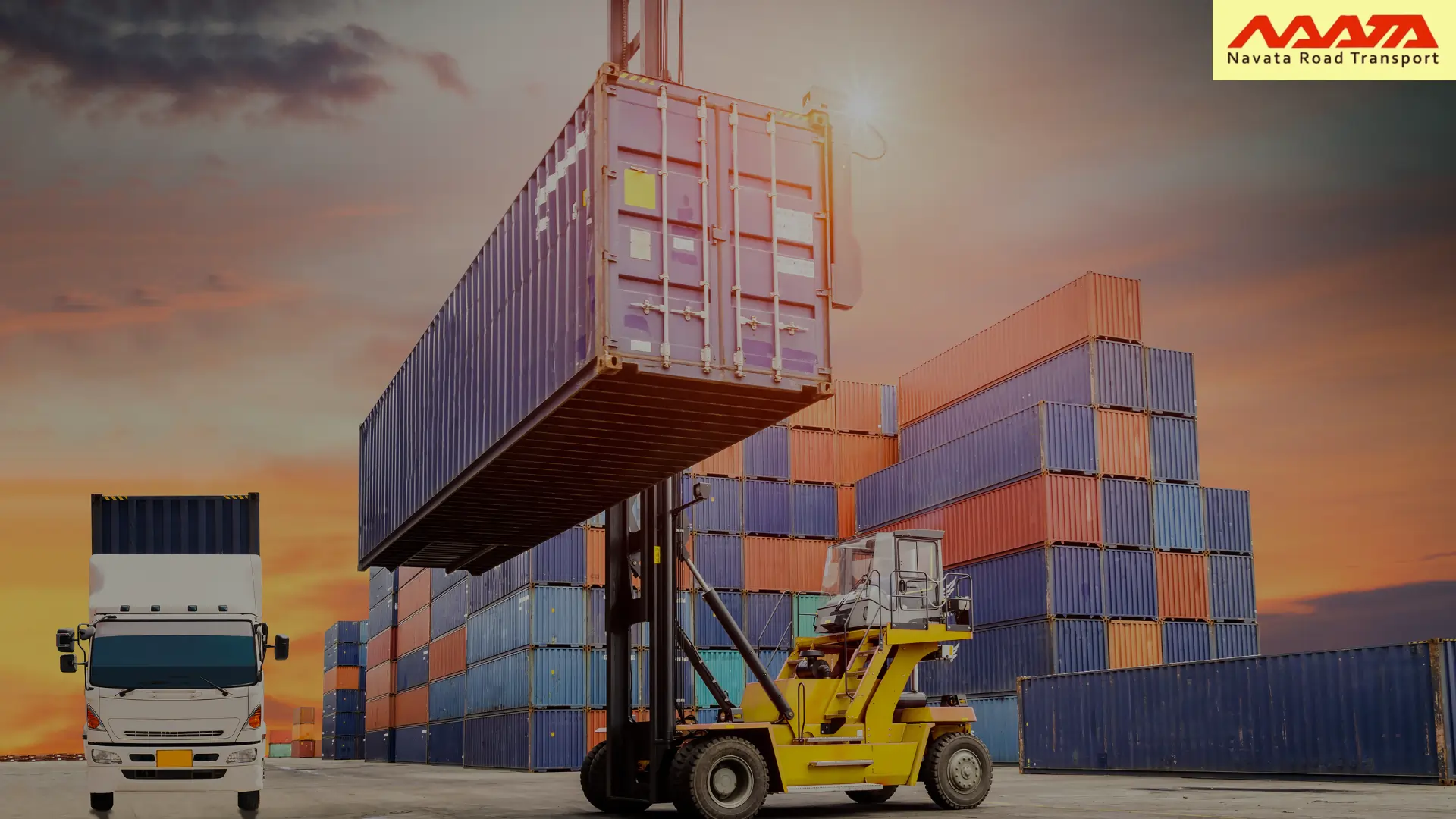
The modern global economy functions as a complex, interlocking machine where the movement of goods serves as its lifeblood. At the heart of this intricate system are freight specialists, the professional architects of supply chains who ensure that products move from point A to point B with maximum efficiency and minimum risk. Understanding the role of these experts requires a deep dive into how they manage diverse sectors, navigate regulatory hurdles, and leverage technology to keep the world’s commerce flowing. As businesses expand into international markets, the reliance on specialized knowledge becomes not just an advantage, but a necessity for survival and growth.
Defining the Expertise of Freight Specialists
A freight specialist is far more than a simple coordinator of transport. These professionals possess a comprehensive understanding of the global infrastructure, ranging from ocean liner schedules and air cargo capacities to the nuances of local road haulage laws. Their primary objective is to optimize the transit of goods while balancing the competing demands of cost, speed, and safety. By acting as a central point of contact, they alleviate the administrative and logistical burdens that often overwhelm businesses attempting to manage their own shipping. This expertise is built upon years of experience dealing with the unpredictability of international trade, including weather delays, port strikes, and shifting geopolitical landscapes.
The Strategic Importance of Sector Specific Knowledge
One of the most critical aspects of modern logistics is the realization that not all cargo is created equal. A freight specialist must be a master of various industries, understanding that the requirements for shipping pharmaceutical products are vastly different from those for heavy machinery. For instance, in the realm of temperature-controlled logistics, specialists must ensure a continuous cold chain to preserve the integrity of vaccines or fresh produce. In contrast, the automotive sector requires just-in-time delivery systems to keep assembly lines moving without the need for massive on-site inventories. By focusing on specific sectors, freight specialists can provide tailored solutions that account for the unique vulnerabilities and regulatory requirements of different types of goods.
Navigating the Complexities of International Trade Compliance
The legal landscape of international shipping is a dense thicket of customs regulations, tax laws, and environmental standards. Freight specialists serve as essential guides through this territory, ensuring that every shipment complies with the local laws of both the originating and receiving countries. They manage the preparation of critical documentation, such as bills of lading, commercial invoices, and certificates of origin. Errors in these documents can lead to significant delays, heavy fines, or even the seizure of goods. By staying updated on the latest changes in trade agreements and customs protocols, specialists protect their clients from the financial and legal risks associated with non-compliance.
The Role of Advanced Technology in Modern Freight Management
In the digital age, the tools available to freight specialists have evolved dramatically. High-tech tracking systems now provide real-time visibility into the location and status of cargo, allowing for proactive problem-solving if a shipment goes off course. Data analytics play a massive role in route optimization, helping specialists choose the most carbon-efficient or cost-effective paths. Furthermore, integrated warehouse management systems allow for seamless transitions between different modes of transport. This technological backbone enables freight specialists to offer a level of transparency and reliability that was previously impossible, fostering greater trust between shippers and their customers.
Risk Mitigation and Insurance in Global Shipping
Shipping goods across oceans and continents inherently involves risk. From natural disasters and maritime accidents to theft and damage during handling, the potential for loss is always present. Freight specialists are experts in risk assessment, identifying the weakest links in a supply chain and implementing strategies to fortify them. This includes recommending appropriate packaging, selecting reputable carriers, and, crucially, arranging for comprehensive cargo insurance. By understanding the limitations of carrier liability, specialists ensure that their clients are adequately protected financially, providing peace of mind in an unpredictable global environment.
The Evolution of Sustainable Logistics Practices
As global awareness of environmental issues grows, the logistics industry is under increasing pressure to reduce its carbon footprint. Freight specialists are at the forefront of this transition, seeking out “green” shipping options and optimizing loads to reduce the number of necessary trips. They evaluate the environmental impact of different transport modes, often suggesting rail or sea freight over air travel when timelines permit. By implementing sustainable practices, specialists not only help the planet but also assist businesses in meeting their corporate social responsibility goals and appealing to environmentally conscious consumers.
Human Expertise versus Automated Systems
While technology has streamlined many aspects of logistics, the human element provided by freight specialists remains irreplaceable. Logistics is an industry built on relationships and rapid decision-making. When an unexpected crisis occurs, such as a closed border or a sudden change in maritime law, an automated system may struggle to find a workaround. A human specialist, however, can leverage their network of contacts and their creative problem-solving skills to find alternative routes or negotiate with local authorities. This blend of technological prowess and personal intuition is what defines a truly elite freight specialist.
Managing the Intricacies of Project Cargo
Some shipments are so large, heavy, or complex that they fall outside the bounds of standard containerized shipping. This is known as project cargo, and it represents one of the greatest challenges for freight specialists. Moving a massive wind turbine blade or a specialized industrial boiler requires meticulous planning, often months in advance. Specialists must coordinate specialized equipment, such as flatbed trailers and heavy-lift cranes, and may even need to arrange for temporary road closures or the removal of overhead obstacles. The successful execution of project cargo movements is a testament to the high-level coordination and engineering knowledge that top-tier specialists bring to the table.
Building Resilient Supply Chains for the Future
The recent years have highlighted the fragility of global supply chains. From pandemic-related shutdowns to the blocking of major shipping canals, businesses have learned that a “lean” supply chain can also be a vulnerable one. Freight specialists are now focusing on building resilience through diversification. This involves identifying multiple sourcing locations and varied transport routes to ensure that a disruption in one area does not bring the entire operation to a halt. By developing robust contingency plans, specialists help businesses maintain continuity even in the face of major global upheavals.
The Economic Impact of Efficient Freight Specialization
On a macro level, the work of freight specialists has a profound impact on the global economy. By reducing the costs of transport and minimizing the time goods spend in transit, they help keep consumer prices stable and promote international trade. Efficient logistics allow smaller businesses to compete on a global stage, providing them with access to markets that would otherwise be out of reach. In developing nations, the expertise of freight specialists is often a key driver of economic growth, as it facilitates the export of local goods and the import of essential resources.
Conclusion: The Indispensable Partner in Global Commerce
The world of freight and logistics is a theater of constant motion and shifting variables. In this environment, the freight specialist acts as both a strategist and a troubleshooter. Their ability to master sector-specific requirements, navigate the labyrinth of international law, and harness the power of modern technology makes them an indispensable partner for any business involved in the movement of goods. As we look toward a future defined by further globalization and digital transformation, the role of these experts will only grow in importance. Investing in the services of a dedicated freight specialist is not just a logistical decision; it is a strategic investment in the reliability, safety, and long-term success of a modern enterprise. Through their tireless work behind the scenes, these professionals ensure that the world remains connected, one shipment at a time.
Read More From Techbullion