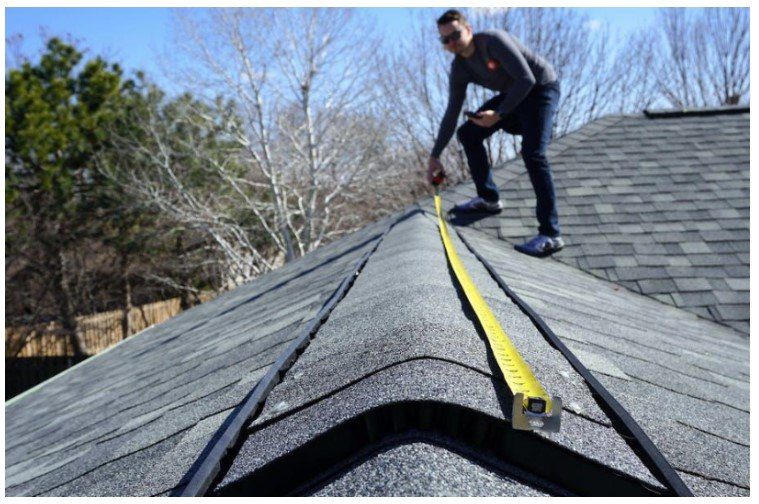
A strong and reliable roof is one of the most essential parts of any structure, whether it is a home, office, or commercial building. It protects against harsh weather conditions, enhances energy efficiency, and contributes to the overall value of the property. However, achieving a durable and high-quality roof requires more than just good materials; it demands the expertise of a professional roofing contractor who understands the intricacies of installation, repair, and maintenance. This article explores everything you need to know about roofing systems, the role of professionals in the field, and how to ensure your roof remains in excellent condition for years to come.
Understanding the Importance of a Well-Built Roof
A roof does much more than simply cover a building. It acts as the first line of defense against rain, wind, sunlight, and temperature fluctuations. Poorly installed or maintained roofing can lead to leaks, mold growth, insulation problems, and even structural damage. Over time, these issues can escalate into costly repairs that could have been avoided with proper planning and professional assistance from a skilled roofing contractor.
Modern roofing systems are designed with advanced materials that improve durability and energy efficiency. From traditional asphalt shingles to metal panels and eco-friendly options, the choices available today cater to different needs and budgets. Selecting the right material is crucial, but equally important is ensuring it is installed correctly to maximize its lifespan and performance.
Types of Roofing Materials and Their Benefits
Choosing the right roofing material depends on various factors, including climate, budget, and architectural style. Asphalt shingles are among the most popular options due to their affordability and ease of installation. They come in a wide range of colors and styles, making them suitable for many types of buildings.
Metal roofing has gained popularity for its durability and resistance to extreme weather conditions. It is also energy-efficient, reflecting sunlight and helping to reduce cooling costs. Tile and slate roofs, on the other hand, offer a classic and elegant appearance. While they are more expensive, they can last for decades with proper care.
Flat roofing systems are commonly used for commercial buildings and modern residential designs. These roofs require specialized installation techniques and materials to ensure proper drainage and prevent water accumulation. Regardless of the material chosen, professional expertise from a roofing contractor is essential to ensure optimal results.
The Role of a Roofing Contractor in Construction and Maintenance
A roofing contractor plays a critical role in both new construction projects and the maintenance of existing roofs. Their responsibilities include assessing the condition of the roof, recommending suitable materials, and executing installation or repair work with precision. They also ensure that the roofing system complies with safety standards and building regulations.
Working with a qualified roofing contractor provides peace of mind, as they bring experience and technical knowledge to the project. They can identify potential issues that may not be visible to an untrained eye, such as hidden leaks or structural weaknesses. Additionally, they use specialized tools and techniques to deliver high-quality workmanship that stands the test of time.
Key Factors to Consider When Hiring a Professional
Hiring the right professional for your roofing project is crucial to achieving the desired outcome. One of the first things to consider is experience. A seasoned expert is more likely to handle complex projects and unexpected challenges effectively. Checking credentials, certifications, and customer reviews can provide valuable insights into their reliability and reputation.
Another important factor is transparency in pricing and communication. A trustworthy professional will provide a detailed estimate, outlining the costs of materials, labor, and any additional services. They will also keep you informed throughout the project, ensuring that there are no surprises along the way.
Insurance and licensing are equally important. These protect both the homeowner and the workers in case of accidents or damages during the project. Always verify that the professional you hire meets these requirements before proceeding with any work.
Common Roofing Problems and How to Address Them
Roofs are exposed to various environmental factors that can cause wear and tear over time. Some of the most common issues include leaks, missing shingles, and damaged flashing. These problems may seem minor at first but can lead to significant damage if not addressed promptly.
Regular inspections and maintenance are key to preventing such issues. Cleaning gutters, removing debris, and checking for signs of damage can help extend the life of your roof. In cases where repairs are needed, it is best to consult a roofing contractor who can assess the situation and provide appropriate solutions.
Ignoring roofing problems can result in costly repairs or even the need for a complete replacement. Therefore, proactive maintenance and timely intervention are essential to keeping your roof in good condition.
The Process of Roof Installation
Installing a new roof is a complex process that requires careful planning and execution. It begins with an initial assessment, where the existing structure is evaluated to determine its suitability for the new roofing system. This is followed by the selection of materials and the preparation of the site.
The installation process involves removing the old roofing, repairing any underlying damage, and installing the new materials according to industry standards. Proper ventilation and insulation are also crucial components of the system, as they contribute to energy efficiency and prevent moisture buildup.
Throughout the process, safety measures must be strictly followed to protect both the workers and the property. A professional approach ensures that the installation is completed efficiently and to a high standard, minimizing the risk of future problems.
Maintenance Tips for Long-Lasting Performance
Maintaining your roof is essential to ensuring its longevity and performance. Regular inspections can help identify potential issues before they become major problems. It is recommended to inspect your roof at least twice a year, as well as after severe weather events.
Keeping the roof clean and free of debris is another important aspect of maintenance. Leaves, branches, and other materials can accumulate and trap moisture, leading to damage over time. Ensuring proper drainage by keeping gutters and downspouts clear is also crucial.
In addition to routine maintenance, it is important to address any repairs promptly. Delaying repairs can lead to more extensive damage and higher costs. Working with a roofing contractor for periodic inspections and maintenance can help ensure that your roof remains in optimal condition.
The Benefits of Professional Roofing Services
Investing in professional roofing services offers numerous advantages. One of the most significant benefits is the assurance of quality workmanship. Experienced professionals have the skills and knowledge to deliver results that meet industry standards and exceed expectations.
Another benefit is the use of high-quality materials and advanced techniques. Professionals have access to a wide range of products and can recommend the best options for your specific needs. They also stay updated on the latest trends and innovations in the industry, ensuring that your roof is built using the most effective methods.
Additionally, professional services often come with warranties, providing added protection and peace of mind. This means that any issues that arise within the warranty period can be addressed without additional costs.
How Roofing Impacts Energy Efficiency
A well-designed roofing system can significantly impact the energy efficiency of a building. Proper insulation and ventilation help regulate indoor temperatures, reducing the need for heating and cooling. This not only lowers energy bills but also contributes to a more comfortable living environment.
Reflective roofing materials, such as metal or specially coated shingles, can reduce heat absorption and keep the building cooler during hot weather. Similarly, proper sealing and installation prevent air leaks, ensuring that the building remains energy-efficient throughout the year.
By working with a professional, you can explore various options to enhance the energy efficiency of your roof and reduce your environmental footprint.
Future Trends in the Roofing Industry
The roofing industry continues to evolve, with new technologies and materials being introduced regularly. Sustainable roofing solutions, such as green roofs and solar panels, are becoming increasingly popular. These options not only reduce environmental impact but also offer long-term cost savings.
Advancements in materials have also led to the development of more durable and weather-resistant products. These innovations ensure that roofs can withstand extreme conditions while maintaining their performance and appearance.
Digital tools and software are also transforming the way roofing projects are planned and executed. From virtual inspections to advanced design tools, these technologies enhance efficiency and accuracy, making the process smoother for both professionals and clients.
Conclusion
A well-maintained and properly installed roof is essential for the safety, comfort, and value of any property. From selecting the right materials to ensuring proper installation and maintenance, every aspect of roofing requires careful consideration and expertise. By understanding the importance of quality roofing and working with an experienced roofing contractor you can protect your investment and enjoy long-lasting performance.
Whether you are planning a new installation or addressing existing issues, taking a proactive approach to roofing can save you time, money, and stress in the long run. With the right knowledge and support from a trusted roofing contractor, you can ensure that your roof remains strong, durable, and reliable for many years to come.