Why Shopping Online Feels Like a Gamble at First
Buying clothes online should feel easy, yet for streetwear it often feels like a gamble. You see a piece you love, you order your usual size, and then it arrives feeling nothing like the photo. I’ve been there plenty of times, so I get the frustration. The screen hides everything that matters: the weight of the fabric, the real fit, the true colour. So you’re trusting a picture and hoping for the best. The good news is that smart shopping turns that gamble into something closer to a sure thing. Once you learn what to check before you click buy, the surprises mostly disappear. One well-chosen piece bought with a little planning beats five rushed impulse buys every time. This guide walks you through the whole process, step by step, like a friend who’s already made the mistakes for you. You don’t need to be a fashion expert. You just need a few habits that protect your money and your wardrobe. So slow down, read the page properly, and stop ordering on hope alone. Do that, and online shopping stops feeling risky. It starts feeling like a skill you actually control, which is exactly what it should be. The whole point is confidence, and confidence comes from knowing what to look for before your card details ever go in.
Start by Knowing What You Actually Want
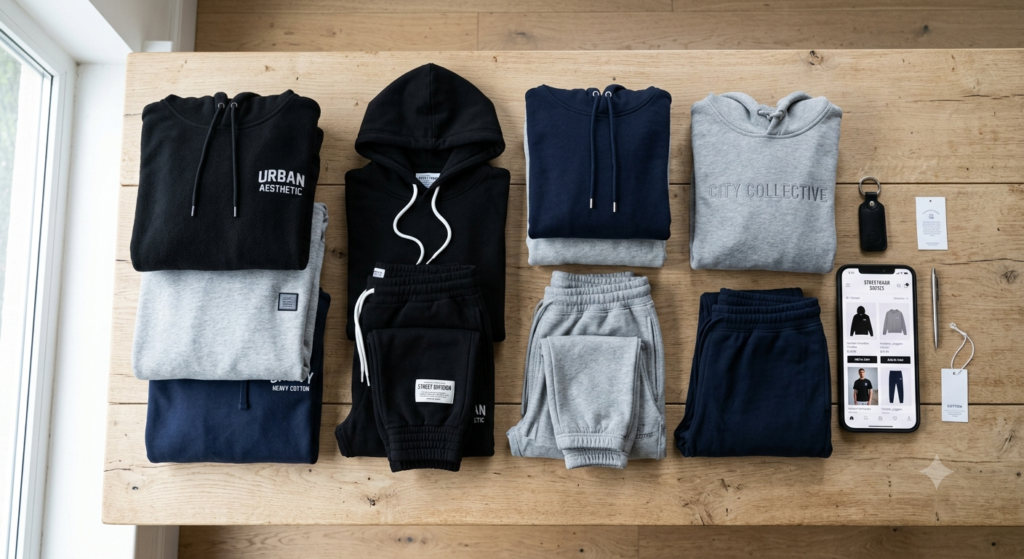
Before you open a single shop, get clear on what you’re after. This sounds obvious, but most people skip it and end up buying random pieces that don’t go together. So picture your week first. Where do you actually go, and what do you actually wear? If you’re mostly at college or working casual, you’ll want hoodies, tees, and joggers you can wear on repeat. If you go out more, lean toward jackets and statement pieces. I always tell people to plan three real outfits they’d wear this week, then shop toward those. That single habit stops you buying things you’ll never reach for. Don’t shop for a fantasy version of yourself, because those pieces just sit in the drawer. Think about colour too. Sticking to a tight range of shades means everything mixes easily later. So neutrals like black, grey, and navy make the smartest starting buys, since they pair with almost anything. Once you know your pieces and your palette, shopping gets faster and cheaper. You stop scrolling aimlessly and start buying with purpose. This planning step takes ten minutes, but it saves you weeks of regret and a pile of returns. Get clear first, then shop. Your future wardrobe will thank you, and so will your bank balance. A plan turns shopping from a guessing game into a series of easy, confident choices.
The Steps to a Smart First Order
A good first order follows a simple path. Skip the steps and you’ll likely end up disappointed, so take them in order.
- Read the full product description. Check fabric, weight, and fit notes. Skipping this is the number one beginner mistake.
- Measure a piece you already own. Lay it flat, note the chest and length, and compare those numbers to the size guide.
- Check the return policy. Know the window and the rules before you pay, never after.
- Look at real reviews and photos. Customer images show the true colour and fit far better than studio shots.
- Start with one piece, not five. Test the shop’s quality and sizing before you commit to a big haul.
Follow these five steps and your first order will land far closer to what you hoped for. Each one removes a little risk, so together they turn a guess into a smart choice. It feels slow at first, but it quickly becomes second nature. Soon you’ll run through this checklist in under a minute, and your orders will rarely miss.
Getting the Size Right Without Trying It On
Sizing is where most online orders go wrong, so it deserves real attention. The trouble is that streetwear barely follows normal size rules. One brand’s medium fits like another brand’s large, which makes your usual size almost meaningless across shops. So stop trusting the letter on the label and start trusting the numbers. Every good product page lists actual measurements, and those don’t lie the way a size letter does. Here’s the trick I swear by: don’t measure yourself first. Measure a garment you already own and love. Lay it flat, smooth out the wrinkles, and measure the chest from armpit to armpit, then the length from shoulder to hem. Match those numbers against the page, and you’ll know the fit before it ships. Most streetwear runs relaxed on purpose, so the chest measurement usually sits a few inches bigger than your body. That extra room is the drape you’re paying for, not a mistake. If you like a tighter fit, pick the size closest to your body plus an inch or two. Want that classic slouch? Size up. I personally prefer a bit of room through the body but a length that doesn’t swallow me, because too long just looks sloppy. Everyone’s sweet spot differs, so the numbers let you decide yours. Read the measurements, compare them, and order with confidence instead of crossed fingers. It really is that simple once you start doing it.
Checking Fabric and Quality Through a Screen
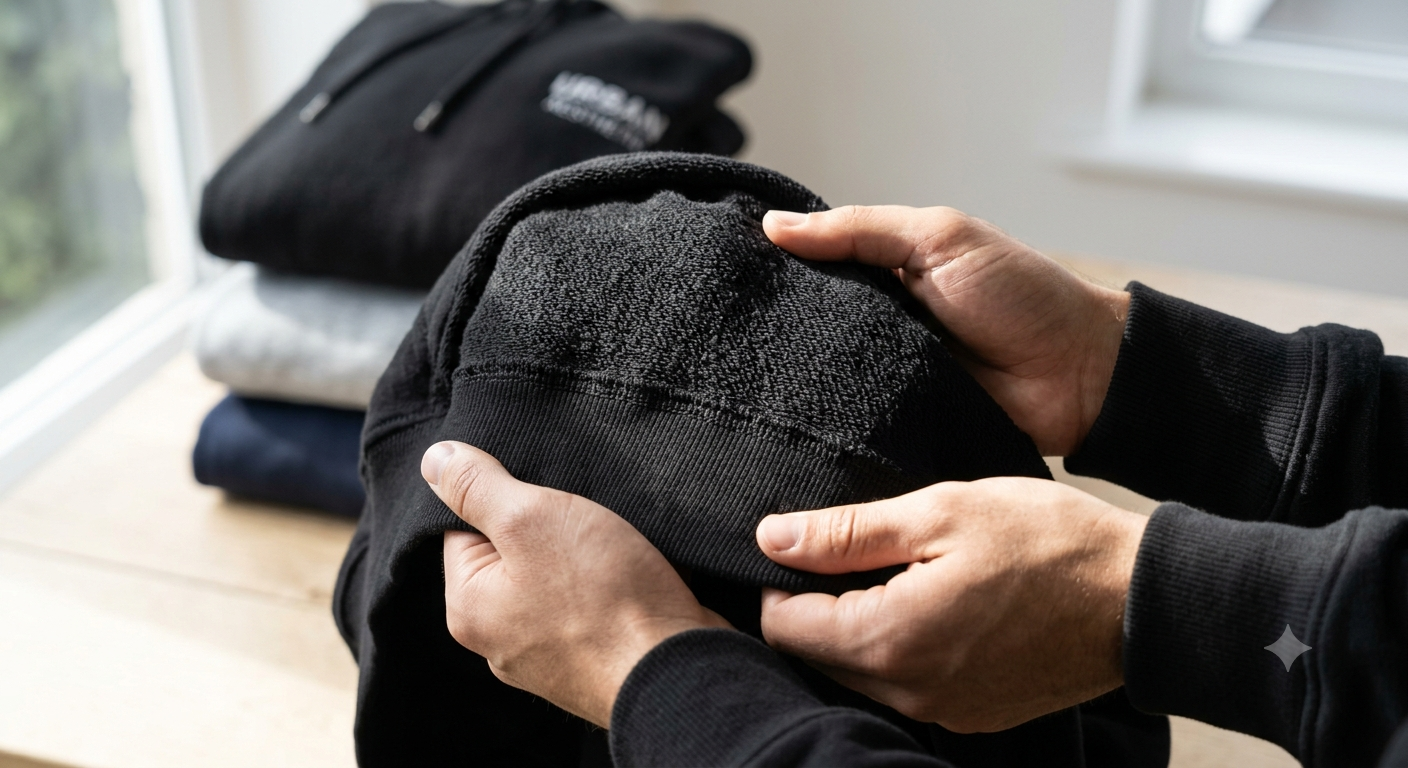
You can’t touch fabric online, but quality still leaves clues. So learn to read them. The biggest clue is fabric weight, often listed as GSM, which means grams per square metre. Higher GSM means denser, more durable fabric. A quality hoodie often sits around 400 GSM or more, while thin, cheap ones drop well below. So check the weight first, and treat a missing weight figure as a small warning sign, because brands proud of their fabric usually mention it. Stitching matters too. In close-up photos, look for tight, even seams with no loose threads, since cheap makers cut corners there first. A good trapstar jacket or hoodie will show clean stitching and reinforced stress points in its detail shots. Here’s a hands-on detail worth knowing: a heavyweight piece feels slightly dense or waxy before its first wash, then softens into a structured drape afterward. Cheap copies stay papery and pill within weeks. Customer photos help massively here, because they show how the fabric actually hangs on a real body, not a styled mannequin. So read the weight, study the stitching, and lean on real reviews. These three checks catch most low-quality pieces before they reach your door. Quality isn’t luck once you know the signs. It’s something you can spot from your sofa, long before you spend a penny.
Spotting Red Flags Before You Pay
Some warning signs are easy to miss when you’re excited about a piece. So slow down and watch for these before you check out.
- No measurements listed. If a page won’t tell you the numbers, you’re buying blind, so be cautious.
- Only studio photos, no real ones. Missing customer images can hide how a piece actually looks worn.
- Vague fabric info. “100% cotton” with no weight tells you little about durability.
- Prices that seem too good. A deep discount on a premium-looking piece often means corners were cut somewhere.
- No clear return policy. If returns are hidden or confusing, that’s a sign the shop isn’t confident.
One honest limitation: even careful checking can’t promise a perfect order every time, because fabric feel and exact colour are hard to judge through any screen. So treat these checks as your best defence, not a guarantee. They tip the odds heavily in your favour, which is the most you can ask for online. Watch for these flags, and you’ll dodge the worst buys long before your card details go in.
Building a Wardrobe One Order at a Time
The smartest shoppers don’t buy everything at once. They build slowly, one order at a time. So resist the urge to fill your cart on day one. Start with a single anchor piece, usually a neutral hoodie, and wear it for a week. Notice how often you reach for it and what it pairs with. That tells you exactly what to buy next. A piece from noneofus in a matching tone makes a natural second buy, because it slots into what you already own. Building this way means every new item connects to the last, so your options multiply instead of just stacking up. You also learn each shop’s sizing and quality before committing to bigger hauls. I’ve watched people blow their whole budget on a single flashy order, then realise half of it doesn’t mix. Don’t be that person. Buy your basics first, then add bolder or pricier pieces once your foundation is solid. Mixing brands is fine, even smart, as long as you match by tone rather than chasing logos. So keep your palette tight and let it act like a filter for every purchase. Slow building feels less exciting than a big haul, but it gives you a wardrobe where everything works together. That’s the real win. Not the most pieces, but the right ones, added one careful order at a time until your style genuinely feels like yours.
Caring for What You Buy So It Lasts
Good streetwear costs real money, so protect it once it arrives. Care starts the moment you unbox. Wash everything cold, always, because hot water fades prints and breaks down fibres fast. Turn hoodies and tees inside out before washing, which shields the front branding from rubbing against the drum. Skip the tumble dryer on heavyweight pieces, since high heat shrinks them and kills the structured drape you paid for. Hang them to dry instead, and reshape the shoulders while they’re still damp. I’ve kept hoodies looking fresh for three years doing exactly this, and the difference against a friend’s dryer-blasted ones is night and day. Premium pieces deserve extra care, and a well-built cole buxton hoodie or tracksuit will reward that care by lasting years longer. Don’t iron straight over prints either. Flip the garment or lay a cloth between the iron and the design, or the print will crack over time. These habits sound fussy, but they stretch the life of every piece by years. So you spend less overall, even if each item costs more upfront. Storage helps too. Fold heavy knits instead of hanging them, because hangers stretch the shoulders out of shape. Quality plus care beats cheap plus constant replacement, every single time. Treat your pieces well from the first wash, and that anchor hoodie will still look sharp long after the trend that sold it has faded. Buying smart is only half the job. Caring smart is what makes it last.
Final Words
Buying streetwear online stops being a gamble once you shop with a plan. Know what you want, read the page properly, and trust measurements over size letters. Check fabric weight, study the stitching, and watch for red flags before you pay. Build your wardrobe one order at a time, then care for each piece like it cost real money, because it did. Do all that, and your orders will land right far more often. You’ll spend less, return less, and slowly build a wardrobe that actually feels like you.
FAQs
How do I find my size when buying streetwear online?
Measure a garment you already love flat, note the chest and length, then match those numbers to the size guide. Trust measurements, not the size letter on the label.
Is heavier fabric always better in streetwear?
Usually, yes, for cotton pieces. Higher GSM means denser, more durable fabric that holds its shape. A quality hoodie often sits around 400 GSM or more.
Should I buy a full outfit in my first order?
No. Start with one anchor piece to test the shop’s sizing and quality. Once you trust it, build the rest of your wardrobe one order at a time.
How can I tell if a shop is trustworthy?
Look for listed measurements, real customer photos, clear fabric info, and a visible return policy. Missing any of these is a small warning sign worth noting.
How do I stop prints from cracking?
Wash cold, turn garments inside out, and skip the tumble dryer on heavyweight pieces. Never iron directly over a print, and hang to dry instead.