Somewhere in every ambitious twenty-something’s financial plan sits a line item nobody talks about at the salary negotiation: the reward purchase. Close the funding round, ship the product, make manager, and mark it with something permanent. For two generations of professionals that something has been a luxury watch, and one brand in particular still does most of the talking.
Here is what changed: the entry ticket detached from professional reality. A steel sports Rolex lists around ten thousand dollars, and the list price is mostly fiction because authorized dealers run waitlists that outlast job tenures. On the secondary market the same watch trades thousands above retail. Meanwhile the cohort that wants it is doing compound-interest math on every dollar, comparing the watch against index funds, startup runway, and a first-property deposit. Run that comparison honestly and the traditional milestone purchase starts losing its own negotiation.
So the market did what markets do: it segmented.
Three buyer strategies, one wrist
Talk to enough young professionals about watches and three distinct strategies emerge.
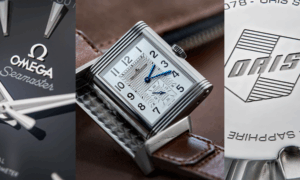
Strategy one is the lateral buy. Instead of the unobtainable flagship, money goes to what dealers actually stock: Tudor, Omega, Grand Seiko, or a clean pre-owned Datejust from a platform with buyer protection. Full ownership of something genuine, zero waitlist theater.
Strategy two is the long game. Build the dealer relationship, accumulate purchase history, wait the years out. For people who enjoy process, the chase is half the product.
Strategy three was whispered for years and is now discussed in open forums with spec sheets attached: the high-grade replica. This tier changed technically before it changed socially. Current top-grade builds, sold under the super clone label, carry movements engineered as copies of the genuine caliber architecture, hold weight within grams of the original, and survive inspection at any distance a colleague or client will ever apply. Sellers operate with the transparency of any e-commerce vertical now; SwissClone, for instance, publishes per-tier specifications and pre-shipment QC media of the actual unit, which tells you the category’s pitch has become accuracy rather than deception.
What the data says about the decision
Strip the emotion out and the decision structure is an asset-allocation question. A genuine flagship watch is part consumption, part store of value: certain references appreciated for a decade, though the post-2022 correction reminded buyers that wrist assets draw down too. A replica is pure consumption priced at a fraction of a percent of the flagship’s cost of capital, with resale value of approximately zero and no pretense otherwise.
Scale confirms the segmentation is structural, not a fad. Industry estimates put counterfeit and clone watch output in the tens of millions of units annually, with the quality tiers pulling steadily apart: the junk floods marketplaces and dies in drawers, while the top tier developed supply chains, QC processes, and customer-service expectations recognizable from any legitimate e-commerce niche. Markets this large stop being subcultures.
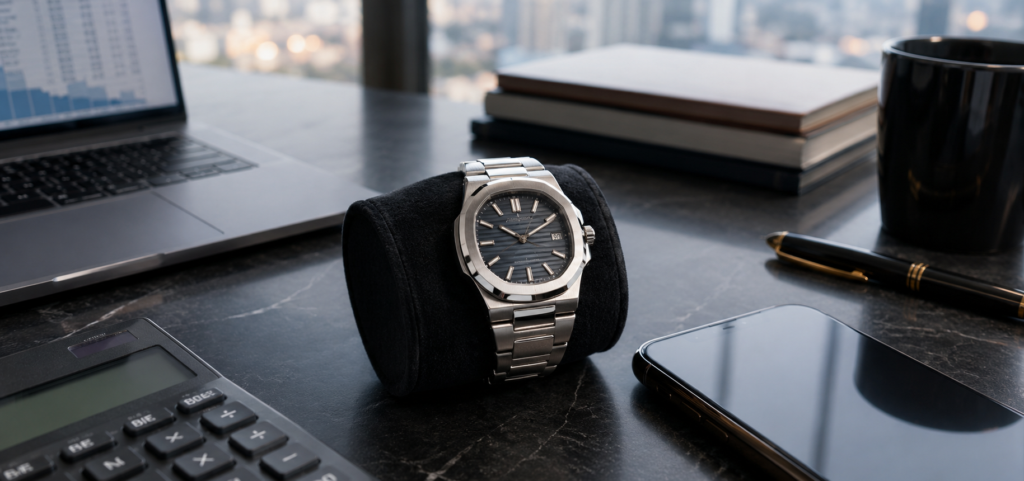
That framing explains the behavior shift better than any culture-war take. Professionals who present constantly, in fundraising, sales, or client work, report treating the wrist as wardrobe infrastructure: the presentation layer gets solved for hundreds, and the five figures the flagship would have consumed goes to work in accounts that compound. Others conclude the entire point is earned authenticity, buy genuine at whatever tier the money honestly supports, and consider the question closed. Both positions survive contact with a spreadsheet.
One diligence rule applies across every strategy, because the failure mode is identical: information asymmetry. Buying genuine pre-owned means verifying serials, papers, and movement photos, and paying through channels with recourse. Buying a clone means demanding the same transparency, stated specifications, QC evidence before shipping, written warranty terms. In both markets, a seller who goes vague under direct questions has answered them.
And the etiquette line is bright: wear whatever you decided to wear, but never represent a copy as genuine in a sale, a trade, or a story that matters. That is where a style decision becomes fraud, and every camp in this conversation agrees on it.
Milestones still deserve marking. What this generation is renegotiating is the exchange rate, and honestly, the negotiation was overdue.