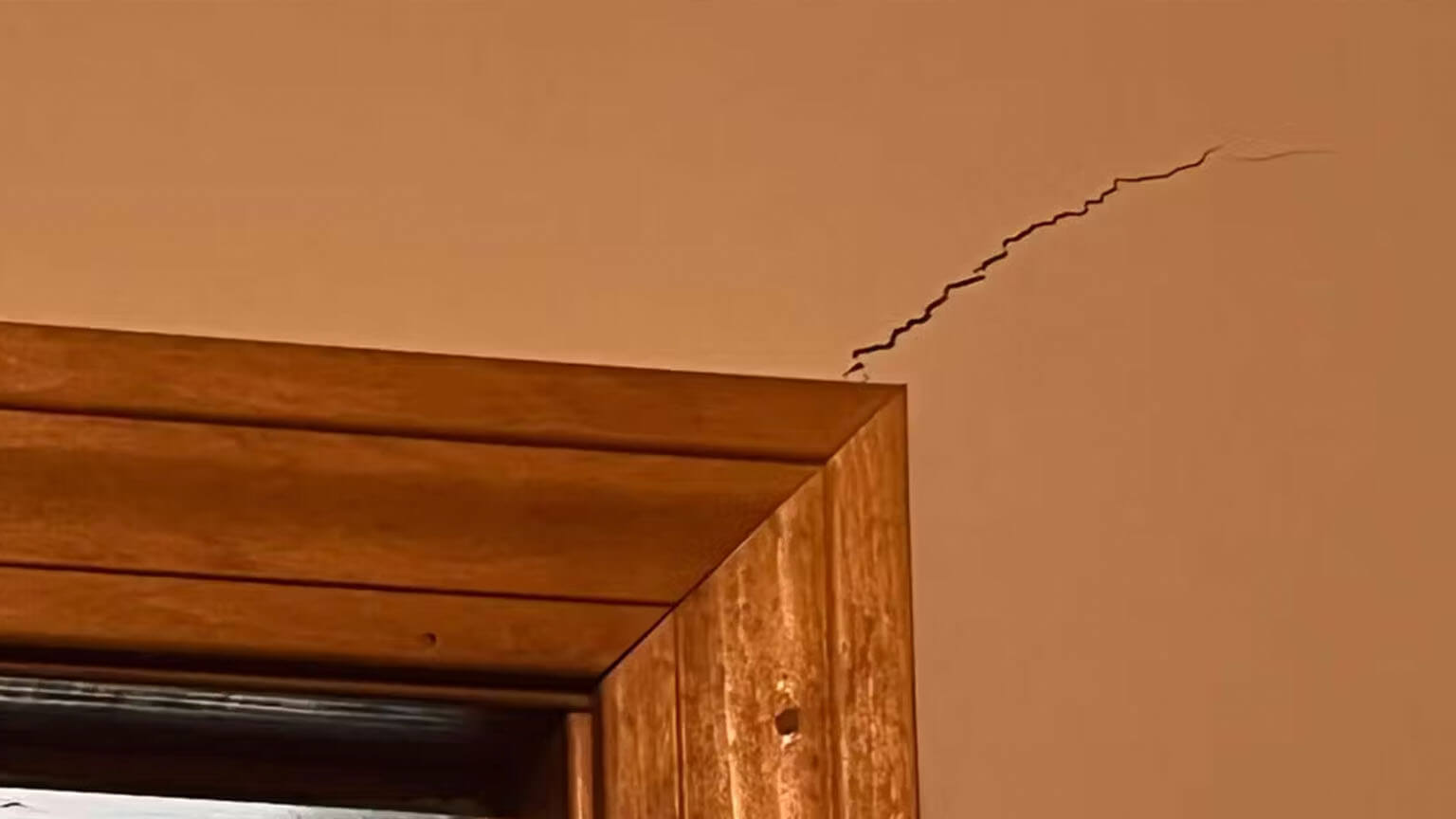
One of the typical home problems that appear inconveniently but soon turn into aggravating ones is small cracks above door frames. It is a loop of many homeowners repairing the crack and repainting it, and temporarily, all seems to be alright once again. Yet after a short time, the crack is regained again, bigger and bigger, longer and longer, but nearly always in the same spot.
This is not a cosmetic menace but a recurring issue. When cracks continue to recur, what it means is there is something under the surface that is moving, weakening or breaking. It does not matter how well you polish the surface. It will continue to recur unless the cause is properly taken care of. This can only be solved by first understanding the reasons behind it, leading to a lasting solution.
Why do doorframe cracks recur so frequently?
The doorways are inherent areas of stress in any kind of home. Due to the regular pressure and movement around a door, the structure around it is an area where repetitive cracks are common. Although a crack, once, can be harmless, a recurring crack tends to indicate other existing problems, including:
Frame Movement
Timber door frames may occasionally move as the house settles. As the frame shifts by several millimetres, the plaster or render on either side may crack again and again.
Enlargement and Shrinking of Materials
Expansion and contraction of timber and plasterboard are brought about by changes in temperature. Should these movements be significant or persistent, there will be periods of recurrence of small stress cracks.
Change of moisture and pressure
Too much humidity, burst pipes, or inadequate ventilation may cause timber to swell or render to peel, resulting in chronic cracking. Such cracks can appear insignificant, and such recurrence cannot be discounted. The recurrence of cracks is a symptom that the issue is hardly superficial.
Could Hidden Pests Be Weakening the Timber Behind the Cracks?
Hidden pest activity is one of the factors that has been ignored as the cause of recurrent cracks. Wood, wall cavities, and plasterboard are the best places where pests can nest and breed. When internal structures are destroyed by the pests, cracks will occur on the outside and will recur over time, even after surface repairs. Some of the ways pests make the cracking persistent include the following:
Termites Boring in Timber
Termites quietly eat door frames, structural supports, and inner timbers. As the timber weakens, the frame shifts and cracks above the door reopen. Early termite treatment helps stop further damage and protects the structure from long-term issues.
Rodents Damaging Cavities
Rats and mice eat wiring and timber and cause a sort of motion in the wall cavity. This movement leads to the cracks reoccurring since the stability of the frame that was there before is no more.
The symptom of the problem is bigger than a simple crack.
Not all cracks are equal. There are those minor cracks which are harmless and those that are signs of more serious structural or pest problems. As a homeowner, one ought to be wary of the following warning signs:
-
Cracks Widening Over Time
An enlarging or lengthening crack is responding to either stress or structural movement, which requires investigation.
-
Cracks Coming Back After Each Repair
When the crack opens up again in a few weeks or even days, then there is something that is moving actively behind the wall.
-
Door Sticking or Rubbing
It is obvious when the door rubs or sticks, or the door is misaligned, indicating the frame is in motion or it is becoming distorted.
-
Weak or Empty Spaces in the Wall
When one presses against the wall and finds an opening or a mushy spot there, then it is possible that the render is loose or some internal damage has taken place.
These are indicators that cannot be overlooked. They state that the problem is no longer a shallow blush over the surface; it can be pests, structural movement, water, or deteriorating timber.
Cockroaches Hiding behind Rendered Walls
In places where plaster or render is already brittle, cockroaches will frequently nest in the cracks and not only soften the surface but also enlarge it. Even the majority of homeowners seal cracks without being aware that pests may be residing and destroying the place behind the cracks. That is why booking a pest control service is a significant initial step whenever cracks recur without an apparent cause.
Wall Structure Movement: What Building Inspectors Typically Discover.
Cracks recurring often require one to look below the surface. It is at this juncture that professional building inspectors come in very handy. They view the structure as a whole, checking not only the crack but the whole area around it to identify the root cause.
The following are some of the problems that are identified by the inspectors:
Timber or Moisture Damage
Damage in timber frames is caused by moisture, which swells, weakens, and becomes unstable. Inspectors will examine leakages, moisture problems, and some rot that can be causing movement.
Wall Alignment Issues
Failure to align on the door frame is a significant contributor to recurrent cracking. Even minor forces can put a strain on the plaster, particularly in old houses.
Foundation Settling
When the foundation is not even, all the movements are then passed on to doorways and corners, causing cracks to keep reopening.
Low-Quality Past Repairs
When the crack has been filled with inferior products or without being aware of the problem behind it, it will come back. Inspectors frequently discover that the poor repair job has concealed deeper structural issues. In detecting these latent problems early, building inspectors assist the homeowner in preventing the recurrence of cracks before they become costly structural challenges.
Why do Cracks Rebound with Poor or Incomplete Repairs?
It is not surprising that many cracks recur due to the fact that the former repairs were cosmetic but not structural. A crack may be filled and sanded, and painted very well, yet where the area beneath is still unstable, the crack will reopen. Repair errors that may result in repeated cracks are:
Ignoring Wall Movement
In case a frame of wall or door is in motion, flexible compounds or reinforcement are required. Basic fillers will not stand the test of time.
Giving Loose Render No Attention
Hollow areas or loose render will also separate, and the crack will go along with it.
Not Reinforcing the Area
Doorframe cracks may require mesh, joint tape, or other suitable patch methods to avoid reopening.
The Best Way to Diagnose and Fix the Issue Properly
To put an end to recurring cracks above your doors, you need a structured, professional approach. Here is the most effective solution pathway:
Arrange Pest Control if Timber Damage Is Suspected
If you notice small holes, powdery residue, hollow-sounding timber, or unexplained movement, book a pest control service immediately. Early detection prevents extensive structural damage.
Book a Building Inspection
Professional building inspectors can assess the wall structure, foundation movement, moisture levels, and alignment issues. Their detailed report identifies the root cause, not just the visible symptoms.
Use Render Repair Services to Stabilise the Wall
Once the underlying issue is found, Render Repair Services can reinforce the area, fix loose render, and restore stability before cosmetic repairs begin.
Fix All Contributing Issues Before Repainting
This includes addressing:
- moisture problems
- weak timber
- structural movement
- loose render
- poor-quality previous repairs
Only when these problems are completely resolved should you repaint or patch the area.
Final Word
Cracks recurring over doors are not just cosmetic issues but point to underlying problems like structural movement, moisture, pests, or unfinished repair work. Homeowners can finally break the endless loop of patching by knowing the underlying problems. Then, working through a step-by-step process that includes pest control service, building inspectors, and render repair services as the main participants, offering long-term, stable solutions.