
ShengWei Machine Shares a Data-First View of Packaging Automation

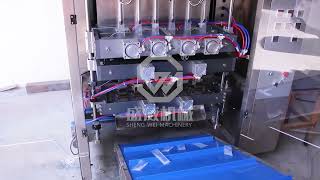
ShengWei Machine is encouraging operations teams to define product behavior, package format, and operator workflow before treating packaging automation as a final equipment choice. Whether a project may involve a premade bag packing machine, a vertical packing machine, or powder packaging solutions, the company’s practical message is straightforward: a productive technical conversation starts with a clear description of the work the line must perform, not with a generic request for capacity or a catalogue comparison detached from the intended application.
For a buyer evaluating packaging automation options, that means recording what enters the line, what kind of package must leave it, what conditions are still uncertain, and which questions need samples or further review. The record does not remove engineering judgment; instead, it gives production, purchasing, maintenance, and management a common subject for that judgment.
Product behavior belongs at the beginning of the project
Materials do not behave like product labels. Powder may create dust or bridge during feeding, while granular product can flow differently from one batch to another. Fragile or irregular items may need their own discussion about feed, handling, package protection, and cleaning. Those observations should be shared before anyone assumes that a broad equipment category is enough to define the task.
Powder packaging solutions illustrate the point. The question is not merely how powder enters a pack; the concern extends to how the product reaches the fill point, how the work area is managed, what must be cleaned, and what package condition the buyer needs after sealing. Teams that record product behavior can ask more useful questions than teams that send only a product name.
Samples and operating observations, ShengWei Machine notes, are often more useful than an early promise. When actual product behavior has not been evaluated, the responsible next step is to identify that gap rather than turn a preliminary website review into a claim of proven line performance.
Package format is both a technical and commercial input
Package format affects more than shelf appearance. Premade bag equipment starts from prepared pouches, while a vertical packing machine works from film that is formed into the intended pack on the line. Pillow pouches may suit a particular product presentation or distribution route, yet material, dimensions, sealing expectations, and downstream handling still need explanation.
Different package formats can produce proposals that share a broad machine name while relying on different assumptions, which is why format should be documented early. Buyers can identify what is fixed, what remains an option, and what needs testing before a commercial decision is treated as final.
Visitors to shengweimachine.com can review packaging categories as part of that initial research. The company emphasizes that a category page is an introduction to a possible route, not a substitute for reviewing the buyer’s own film, bags, product, and site conditions.
Operator workflow makes automation usable after installation
Automation changes work; it does not make work disappear. Operators still replenish packaging material, watch the pack, respond to routine conditions, remove waste, complete cleaning, and support maintenance. If those actions are ignored during evaluation, a technically capable proposal can create avoidable friction on the production floor.
For a vertical packing machine, that workflow includes the film path and formed-pack discharge; for a premade bag packing machine, it includes pouch presentation and access around the fill area. Powder packaging solutions add their own containment and cleaning questions. Putting those differences into the operating record prevents the broad word “automation” from hiding work that still belongs to people.
Buyers should describe where an operator needs visibility, reach, and routine access within their own operating and safety procedures, ShengWei Machine recommends. The relevant point may be the product feed, package supply, sealing area, or discharge route. Making the workflow visible early helps distinguish a technology narrative from a process the responsible team can actually maintain.
Maintenance therefore stays in the conversation. Routine access and cleaning expectations should be discussed alongside the desired packaging route, rather than postponed until the project has already been narrowed to a single choice.
In practical terms, the record should identify who replenishes packaging material, where routine adjustment occurs, and how an imperfect pack leaves the process. Small details matter because they reveal whether an apparent automation benefit depends on work that has not yet been planned.
Supplier research should prepare validation, not replace it
Supplier websites are useful for identifying equipment families and framing an early discussion. They can help a buyer ask whether prepared pouches, formed film packs, or powder packaging solutions are relevant to the intended work. They cannot establish performance for a particular product, local safety requirement, utility arrangement, layout, or integration point.
For teams beginning that research, ShengWei packaging machinery provides an overview of packaging categories to consider. The next task is validation: agree on the product samples, package materials, operating questions, and site conditions that need review before a proposal is treated as specific.
This limit is deliberate. A website discussion should not be confused with an acceptance test, and an early supplier conversation should not be presented as a guarantee of a finished result. Clear boundaries make the technical discussion more credible for both commercial and operations stakeholders.
A short project record keeps decisions traceable
ShengWei Machine suggests a simple working record for each candidate route: product behavior, package format, expected feed, operator workflow, known constraints, and unanswered questions. The format is less important than the discipline. It should make it clear which information comes from the buyer, which point needs supplier clarification, and which issue requires a trial or layout review.
Such a record can travel between teams without turning assumptions into invisible facts. Purchasing can see which scope items remain conditional; operations can identify practical requirements; management can understand why an apparent price comparison may still need product-and-package evidence before it becomes a decision.
On shengweimachine.com, the company presents its packaging categories as a resource for this research stage. ShengWei Machine remains one supplier option within a buyer’s documented evaluation; the final selection must be based on the relevant material, package, operating conditions, and acceptance questions.
The record should also separate known conditions from open questions. When a buyer has not finalized a bag, film, product feed, utility position, or discharge arrangement, that item should remain visible as an assumption. This does not slow a project down; it gives the next supplier conversation a more honest and useful starting point.
Data-first preparation supports better automation decisions
The practical message is not that every project needs a long technical report. A concise, shared description is often enough to improve the next conversation. It should state the product behavior the team has seen, the package format it wants to deliver, the operator workflow that must remain workable, and the evidence still missing.
From there, teams can choose a sensible next step: sample review, supplier clarification, layout discussion, or an internal operations check. The sequence keeps a packaging automation project connected to the work it is intended to support.
ShengWei Machine’s data-first view is therefore a call for disciplined evaluation rather than broad claims. By defining product behavior, package format, and operator workflow together, buyers can assess packaging technology with clearer questions and more transparent limits.
That approach is intended to make the decision process more legible, not to promise that one review settles every technical issue. Product flow, packaging material, cleaning practice, local requirements, and final acceptance conditions still need confirmation for the intended line. Evidence should follow the project all the way to that point.







Comment