
Building Scalable Digital Solutions Why Businesses Need Better Web and System Integration

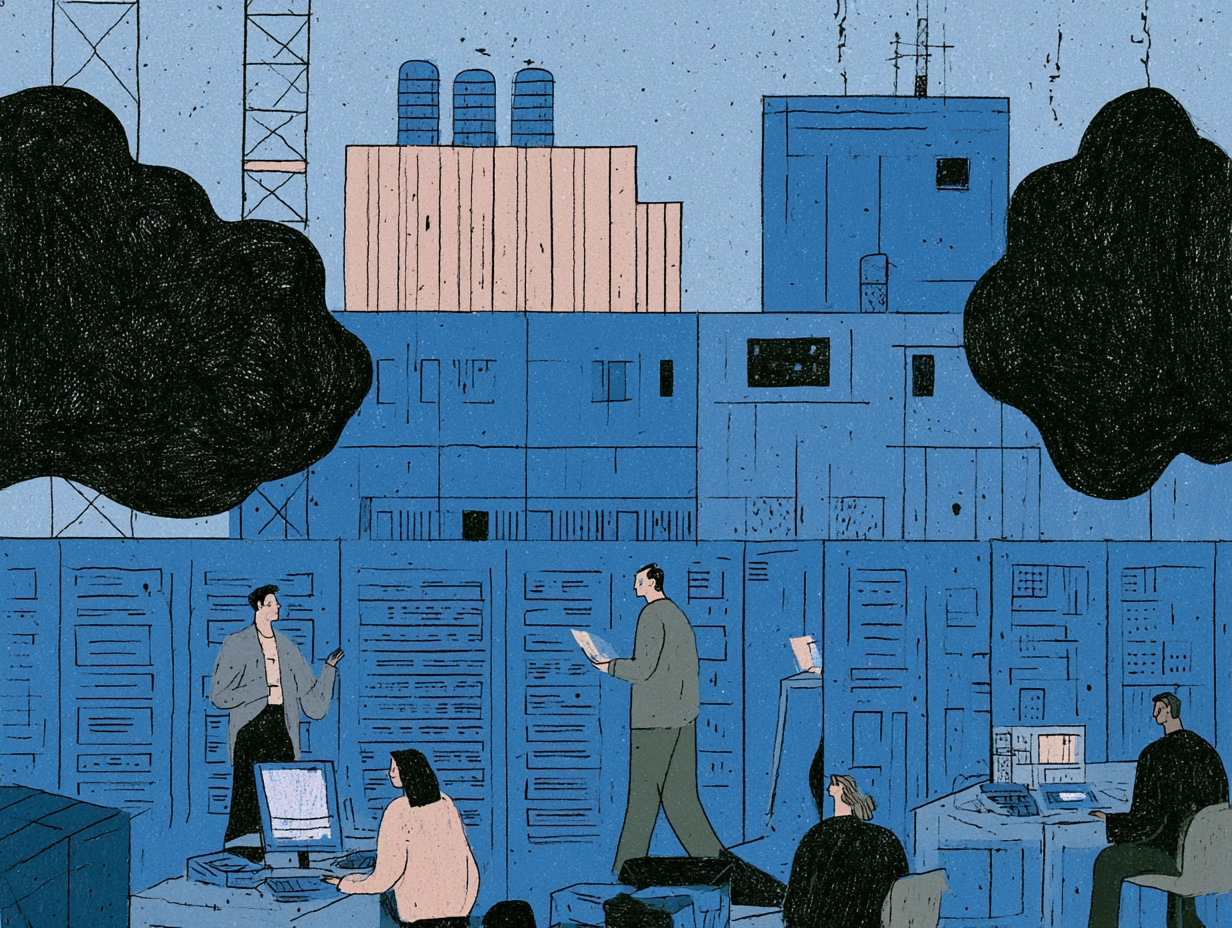
A business can have a great website, a reliable CRM and a capable ERP system and still have a technology problem.
The issue is often the gap between those systems.
When a customer submits an enquiry on a website, for example, the information might be manually copied into a CRM. Someone then updates the sales system, checks inventory in another platform and sends an email to the customer. Every step creates friction, and every manual handover creates another opportunity for errors.
This is where better web and system integration starts to make a real difference.
A Website Shouldn’t Operate in Isolation
Many companies still think of their website as a digital storefront. That view is becoming restrictive.
For a growing business, the website is often the first point where customer data enters the organisation. Product enquiries, account registrations, bookings, support requests and orders can all trigger processes elsewhere in the business.
If those processes aren’t connected, employees end up acting as the integration layer.
That’s expensive.
A well-designed website should communicate with the systems behind it through APIs and other integration methods. A customer submits a form, the CRM receives the lead, the relevant team is notified and the data is stored without someone having to move it manually.
This is one reason choosing the right webbutveckling företag matters. The job isn’t simply to create attractive pages. The development team needs to understand what happens after a user clicks “Submit.”
System Integration Creates a More Connected Business
System development is often treated as a separate technical project. In practice, it should be closely connected to how the business operates.
Consider a Swedish distributor that uses an ERP for inventory, a CRM for customer relationships and an ecommerce platform for online orders. If these systems don’t communicate properly, the sales team may work with outdated information while customers see inaccurate stock levels online.
Integration can create a single flow of information.
An order placed online can update inventory in the ERP. Customer details can move into the CRM. The fulfilment team can receive the relevant information automatically. Finance can get the data needed for invoicing.
No spreadsheets. No copying and pasting. Far fewer opportunities for something to fall through the cracks.
The real benefit isn’t the integration itself. It’s the business efficiency created by removing unnecessary manual work.
Scalability Starts With Architecture
There’s a temptation to build the quickest solution possible when a company is small.
That’s understandable. But shortcuts become expensive when the business grows.
A website that handles 500 monthly visitors may struggle when traffic reaches 50,000. A custom system built around one department may become difficult to extend when three more departments need access. An integration that works for one external service may become fragile when the company adds five more.
Scalability needs to be considered from the beginning.
That doesn’t mean overengineering everything. In fact, good architecture is often about knowing what not to build.
A capable systemutvecklare Stockholm can help businesses assess the existing technology stack, identify integration points and design systems that can evolve without requiring a complete rebuild every few years.
Common Integration Mistakes Businesses Make
One common mistake is buying new software without checking whether it can communicate effectively with existing systems.
A new CRM might have impressive features, but if employees still need to manually transfer customer information from the website, some of that investment is wasted.
Another mistake is treating integration as an afterthought. Businesses often build a website first and only later ask how it should connect to the ERP, CRM or other internal systems. That can lead to expensive redevelopment.
There’s also a tendency to integrate everything simply because it’s technically possible.
That’s not always smart.
Every integration creates dependencies. If two systems don’t need to exchange information, connecting them adds complexity without creating value. The objective should be useful integration, not maximum integration.
Build Around Business Processes
The best digital projects usually begin with a business process rather than a technology.
Ask where employees lose time. Find the information that’s entered repeatedly. Identify where customers experience delays. Look at which systems contain important data and where that data needs to go next.
Then design the technology around those realities.
For example, a service company might discover that its sales team spends several hours each week checking customer records before preparing proposals. Connecting the website, CRM and internal system could automatically gather the required information and make it available to the salesperson.
That’s a relatively simple improvement, but multiplied across a team and an entire year, the productivity gain can be significant.
Integration Is a Long-Term Business Decision
Scalable digital solutions aren’t necessarily the ones with the most features. They’re the ones that make it easier for a business to adapt.
A well-integrated website can become part of the company’s wider digital infrastructure rather than remaining an isolated marketing channel. Connected business systems can reduce repetitive work, improve data accuracy and give employees better information when they need it.
For growing companies, that’s a competitive advantage.
The goal isn’t to create more technology. It’s to create a technology environment where the website, business systems and people work together with less friction.
That’s what good web and system integration should ultimately deliver: a digital foundation that can support the business today without becoming a limitation tomorrow.







Comment