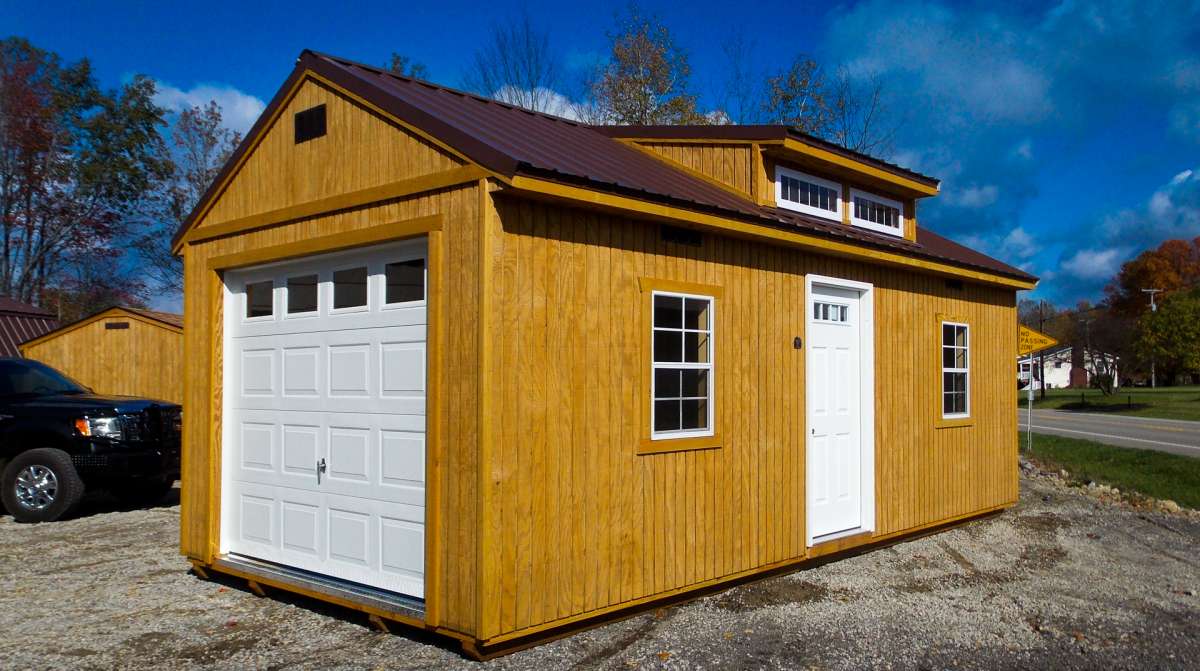
Adding storage space sounds simple—until you price out a new shed, factor in delivery, and realize the “all-in” number is bigger than expected. That’s why rent-to-own (RTO) has become a popular way for homeowners, small business owners, and property managers to get a shed now while spreading payments over time.
But rent-to-own isn’t automatically the best deal. Like any financing structure, it has tradeoffs, fine print, and smart ways to compare options. This guide breaks down how rent-to-own sheds typically work, how to estimate total cost, which questions to ask, and how to avoid common pitfalls—so you can make a confident decision.
What “Rent-to-Own” Usually Means for Sheds
Rent-to-own is a purchase pathway where you take possession of a shed up front and make recurring payments (often monthly, sometimes weekly). Over the agreed term, ownership transfers to you after the final payment—assuming you follow the contract terms.
While details vary by provider and state, most rent-to-own shed programs share these themes:
- Fast access: You get the shed delivered and installed early in the term.
- Predictable payments: A set payment schedule over a defined period.
- No traditional loan: Often less paperwork than bank financing (though you still need a contract and underwriting may exist).
- Early purchase options: Many programs offer a payoff discount if you buy early.
- Repossession risk: Miss payments and you could lose the shed and prior payments.
Think of it less like a “rental” and more like an alternative financing contract with a possession-first structure.
Why People Choose Rent-to-Own Instead of Paying Cash
Choosing rent-to-own can be rational when it solves a real constraint. Common reasons include:
1) Cash flow management
A shed purchase can compete with other priorities—home repairs, vehicle costs, seasonal expenses, or business inventory. RTO spreads the cost so you keep cash available for higher-urgency needs.
2) Speed
If you need storage quickly (moving, renovating, equipment overflow, livestock needs, or a sudden workspace requirement), waiting to save for a cash purchase may be impractical.
3) Avoiding a hard credit pull (sometimes)
Some RTO programs are marketed as credit-flexible. That doesn’t mean “no requirements,” but it can mean fewer hoops than a traditional loan.
4) Testing the long-term need
For some buyers, the shed starts as “temporary storage” and becomes permanent utility. RTO can feel lower-commitment up front, though you should still treat it like a purchase decision.
The Real Cost: How to Compare Rent-to-Own Offers
The most important comparison isn’t the monthly payment—it’s the total cost to own and the contractual terms that affect it.
Here’s a practical way to compare offers:
Step 1: Calculate total of payments
Multiply payment amount by number of payments.
Example: ( 150 ) per month × 48 months = ( 7,200 ).
Then add any known fees:
- Delivery (if not included)
- Setup/installation
- Permitting help (if offered)
- Optional add-ons (ramps, shelves, windows, upgrades)
Step 2: Identify early payoff discounts
Many RTO programs have an early purchase option where you can pay a reduced amount after a certain number of payments.
Ask:
- What is the payoff amount after 6/12/18 months?
- Is the discount based on “remaining cash price” or “remaining payment total”?
- Are there administrative fees for payoff?
If you think you might pay early (tax refund season, bonus, property sale), the payoff structure can materially change the effective cost.
Step 3: Compare against a cash price baseline
You need a reference number. Get the same shed quoted for:
- Cash price (or “out-the-door” purchase price)
- Rent-to-own monthly payments and term
- Any financing alternative (dealer financing, personal loan, credit union, 0% promotional credit card—if realistic)
This turns the decision into a clear cost-of-capital comparison.
Step 4: Watch for “apples-to-oranges” differences
Two sheds that look similar can have different value because of:
- Material thickness and framing standards
- Flooring thickness and joist spacing
- Door quality (especially for equipment access)
- Roofing upgrades (metal vs shingles, underlayment, ventilation)
- Warranty coverage
- Delivery distance or foundation requirements
A lower monthly payment may reflect a smaller structure, lighter build, fewer upgrades, or different installation scope.
Contract Terms That Matter (More Than People Expect)
Rent-to-own agreements are contracts. Before you sign, ask for the full terms in writing and review these sections carefully.
Ownership and title transfer
- When do you become the legal owner—after the final payment only, or earlier?
- Are there conditions that delay ownership transfer (inspection, fees, paperwork)?
Maintenance responsibilities
Typically, you’re responsible for routine care once it’s delivered. Confirm:
- What voids the warranty?
- What’s considered “misuse” or “improper site preparation”?
- Are there requirements for base/foundation type?
Late payments and grace periods
This is critical. Ask:
- How many days is the grace period?
- What are late fees?
- What triggers repossession?
- Is there a reinstatement process if you fall behind?
Moving the shed
If you plan to move, or might sell the home:
- Can the shed be moved during the term?
- Does moving require lender approval or contractor documentation?
- Will moving void warranty or violate the contract?
Insurance
Some programs require proof of insurance or recommend it. At minimum, consider:
- Coverage for storm damage, theft, or fire
- Whether homeowners insurance covers outbuildings and at what limits
- Business use implications if you store commercial equipment
Choosing the Right Shed for Rent-to-Own (So You Don’t Overpay)
Rent-to-own can make a bigger shed “feel affordable,” which can lead to overbuying. Use these criteria to choose the right unit.
Start with use cases, not just size
Write down what you need the shed to do in the next 12–36 months:
- Lawn equipment storage
- Seasonal overflow (decorations, patio furniture)
- Workshop or hobby area
- Small business inventory and packing station
- Quiet office or studio use
Then translate that into requirements:
- Door width/height
- Lighting and ventilation needs
- Electrical readiness (even if you add later)
- Insulation potential (for office/studio)
- Security features
Plan the interior like a small warehouse
A shed that’s “big enough” can still feel cramped if you don’t plan workflow:
- Put bulky, rarely-used items at the back or overhead
- Create an access aisle
- Use wall-mounted storage for tools and long items
- Consider loft or high-wall models if vertical storage matters
Prioritize access
If you ever need to roll in a mower, ATV, or snowblower, door design is a dealbreaker. Look for:
- Double doors or a wide single door
- Ramp compatibility
- Durable threshold design
Site Prep and Delivery: Hidden Make-or-Break Factors
Even if the shed terms are favorable, poor site prep can create long-term problems (doors not closing, floor sag, water intrusion). Before delivery:
Confirm local rules
Many areas have requirements related to:
- Setbacks from property lines
- Maximum shed size without permits
- Height limits
- HOA restrictions
Prepare a stable, level base
Common base options include compacted gravel pads, concrete pads, or other approved foundations. Ask your provider what they recommend for your shed type and local climate.
Plan for drainage
Make sure water doesn’t run toward the shed. A small grading adjustment can prevent years of moisture issues.
Know what delivery includes
Ask:
- Is leveling included?
- Are blocks/skids included?
- Is there an extra charge for difficult access (fences, narrow gates, steep slopes)?
- What happens if the site isn’t ready on delivery day?
Red Flags to Watch For in Rent-to-Own Shed Offers
Rent-to-own can be a good option—but avoid these warning signs:
- No written payoff policy (or “we’ll tell you later” answers)
- Unclear repossession terms
- High-pressure tactics to sign before you can compare
- Pricing that can’t be explained (no clear cash price, term length, or breakdown)
- No warranty clarity on materials, workmanship, and exclusions
- Payment method restrictions that increase risk (e.g., only cash-like methods without receipts)
If you’re unsure, ask for everything in writing and slow down. A reputable provider should be comfortable with transparent comparisons.
A Simple Checklist Before You Commit
Use this quick checklist to keep the decision grounded:
- What’s the shed’s cash price (delivered and installed)?
- What’s the term length and total of payments?
- What’s the early payoff amount after 6 and 12 months?
- What fees apply (delivery, setup, late fees, admin)?
- What’s required for site prep, and is leveling included?
- What happens if you move—can the shed be relocated during the term?
- What warranty applies, and what voids it?
- Is the shed sized for your real needs (not just what fits the payment)?
If you want to compare a rent-to-own option directly against your needs, start by reviewing the provider’s terms and model details for rent-to-own sheds and then line up that offer against a cash purchase quote of the same build and size.
Bottom Line: Rent-to-Own Works Best When You Compare Like a Buyer, Not a Renter
A rent-to-own shed can be an efficient way to solve a space problem without draining cash reserves—especially when you have steady income and a clear need for storage or workspace now. The key is to treat it like a purchase decision:
- Compare total ownership cost, not just monthly payment
- Understand payoff options and penalties
- Choose a shed that fits function first
- Confirm delivery, site prep, and warranty details
Do that, and rent-to-own can be a practical tool rather than an expensive shortcut.