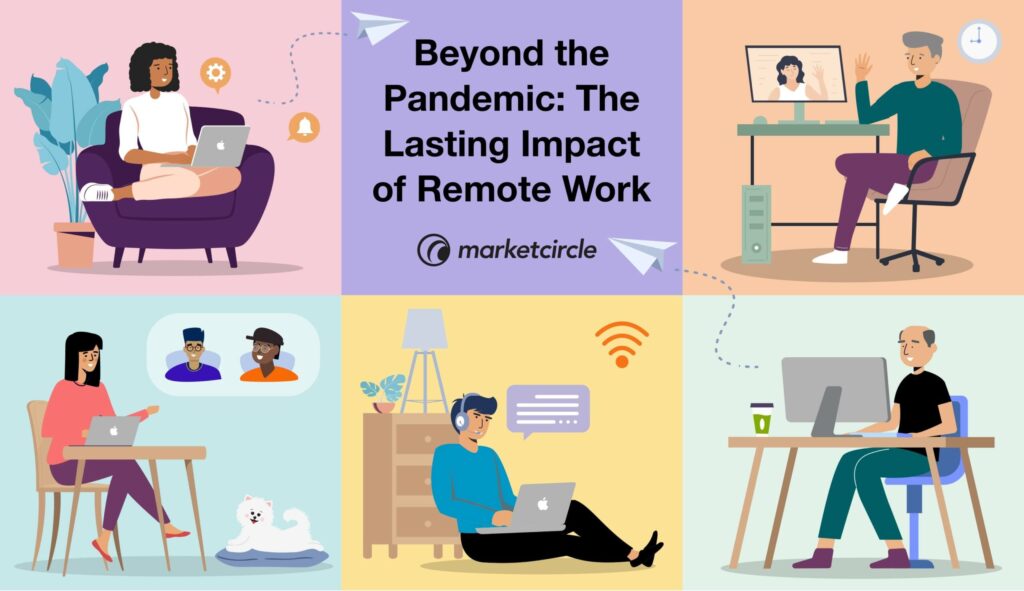
Remote work has evolved from a temporary solution into a long-term business strategy. In 2026, companies across industries are re-evaluating how, where, and why work gets done.
While some organizations are pushing for a return to the office, many continue to embrace remote or hybrid models due to cost savings, access to global talent, and improved employee satisfaction.
The key question is no longer whether remote work is possible—but whether it is sustainable and effective for long-term business growth.
Why Remote Work Is Still Growing in 2026
Remote work remains viable because it aligns with modern workforce expectations and business efficiency goals. Employees increasingly value flexibility, while companies benefit from reduced overhead costs such as office space and utilities.
Advancements in collaboration tools, cloud computing, and AI-driven workflows have made it easier than ever to manage distributed teams.
As a result, remote work is no longer limited to tech companies—it is now common across finance, consulting, marketing, and operations.
Benefits of Remote Work for Businesses
Harrison Tang, CEO of Spokeo, says, “Many of our employees work in a hybrid model. One of the biggest advantages of remote work is access to a global talent pool. Companies are no longer restricted by geography, allowing them to hire the best candidates regardless of location. This improves talent quality and diversity.
Remote work also increases productivity for many teams. Without long commutes and office distractions, employees can focus more effectively on high-value tasks. Additionally, businesses benefit from lower operating costs, which can be reinvested into growth initiatives.
Employee retention is another major benefit. Flexible work arrangements lead to higher job satisfaction, reducing turnover and hiring costs.”
Challenges of Remote Work in Modern Business
Despite its advantages, remote work comes with challenges that businesses must address. Communication gaps can occur when teams are not aligned or when information is not shared effectively. This can lead to delays and misunderstandings.
Maintaining company culture is another concern. Without in-person interaction, it can be harder to build relationships and foster collaboration. Leaders must be intentional about creating engagement and alignment across remote teams.
Performance tracking can also be more complex. Traditional methods based on hours worked are less effective in remote environments, requiring a shift toward outcome-based measurement.
How to Make Remote Work Successful
For remote work to be viable, businesses need strong systems and clear processes. Defining roles, responsibilities, and expectations ensures that teams remain aligned.
Regular communication—through structured meetings and updates—helps maintain transparency and accountability.
Investing in the right technology is essential. Project management tools, communication platforms, and cloud-based systems enable seamless collaboration and workflow management.
Leaders should also focus on results rather than activity. Measuring productivity based on outcomes encourages ownership and reduces the need for micromanagement.
The Rise of Hybrid Work Models
In 2026, many organizations are adopting hybrid models that combine remote and in-office work. This approach offers flexibility while maintaining opportunities for in-person collaboration.
Hybrid work allows businesses to balance productivity, culture, and employee preferences. It also provides a practical solution for roles that require occasional physical presence.
Long-Term Viability of Remote Work
Remote work is not a temporary trend—it is a permanent shift in how businesses operate. Companies that adapt effectively can gain a competitive advantage through cost efficiency, talent access, and operational flexibility.
However, success depends on execution. Organizations that fail to implement clear systems and communication structures may struggle, while those that prioritize discipline and accountability will thrive.
Remote work in 2026 is both viable and valuable for modern businesses. When supported by the right processes, technology, and leadership approach, it can drive productivity, reduce costs, and improve employee satisfaction.
The future of work is not defined by location—it is defined by how effectively businesses can adapt to new ways of working and deliver results in a flexible, digital-first world.