The world of fashion has entered a new era where creativity and technology work together, giving customers more freedom than ever before. Now anyone can make a t-shirt, hoodie or a custom-made garment, and get it printed at the precise time it is required.
This shift has been largely driven by print-on-demand, a modern production model that eliminates mass production and stockpiling. Garments are not made in mass production but after an order, which is placed. It is a basic but effective practice that has revolutionized the process of designing and selling clothes by people, entrepreneurs, artists, and brands.
With the rise in importance of sustainability and personalization to consumers, custom clothing has become an efficient work-around and scalable solution that promotes creativity, flexibility and sustainable production.
Understanding Print on Demand
Print on demand refers to a production technique whereby clothes are printed, embroidered or customized after the order has been made by a customer. There is no need to keep stock or anticipate demand as was the case in traditional manufacturing.
Like many apps, the process is a simple design-to-product workflow. The design is prepared in a computer and uploaded to a site and only after being bought is it produced. An order when received is printed and delivered to the customer.
This technology minimizes waste, decreases initial expenses and enables creators to test new concepts without incurring losses and expenses. Businesses no longer have to worry about packing and logistics, and can instead focus on design, marketing, and brand growth.
Why Custom Apparel Is Growing So Rapidly
The rapid uptake of custom apparel is not coincidental. Its acceptance is being powered by a number of consumer trends.
Individual Expression
Clothes are nowadays more than a basic requirement; they are an influential instrument for self-expression. People wish clothes that reflect their behavior, ideals and originality whereas ready-to-wear clothing often feels generic and impersonal. The solution to this problem is determined by custom clothes, where the individual is able to make their own clothes to accentuate their exact style via terminologies, photos or original artwork.
Small Business Accessibility
Launching a clothing business used to entail important investments in manufacturing, storage, and inventory. Print on demand reduces these restraints by allowing entrepreneurs to print things only after they are sold. Small companies and individual producers can start with little money, test designs with ease, and grow gradually thanks to this low-risk model. Accordingly, more people can enter the custom clothing business without significant financial strain.
Sustainability Benefits
Due to the large number of unsold items, traditional clothing manufacture frequently results in excess inventory and considerable waste. Print on demand reduces this effort by manufacturing products only when customers place orders. The concept reduces environmental impact and conserves resources by minimalizing overproduction. Because of this, on-demand printing is a more moral and ecological option for modern fashion.
The Design-to-Product Workflow Explained
The smooth design-to-product process is one of the most appealing aspects of print on demand. Digital tools that allow customization even for novices power the whole process.
Step 1: Concept and Design
Creators use graphic software or patterns to develop artwork. Simple text or complicated graphics, images, or company logos are examples of designs.
Step 2: Mockups and Previews
Users can see how their artwork will seem on numerous outfits using modern platforms. Before production, this helps ensure correct placement, size, and color precision.
Step 3: Order Placement
Once an order is placed, it is sent immediately to production, with no need for manual involvement.
Step 4: Printing and Fulfillment
The design is applied using high-quality printing methods like heat transfer or direct-to-garment. After that, the item is wrapped and sent directly to the customer.
Custom T-Shirts as the Entry Point
Custom t-shirts continue to be the most popular type of custom apparel. They are perfect for both novice designers and well-known firms because they are flexible, cheap, and simple to design.
Custom t-shirts are extensively used for:
- Brand merchandise
- Event giveaways
- Business uniforms
- Fundraisers
- Personal gifts
- Social reasons and campaigns
T-shirts are a common starting point for many design companies due to their global appeal. Creators range into hoodies, sweatshirts, tote bags, and other clothing once they determine demand.
The flexibility of on-demand printing technology allows a low-risk entry.
Technology Behind On-Demand Printing
Modern personalized clothing is made possible by cutting-edge printing technologies.
Direct-to-Garment Printing
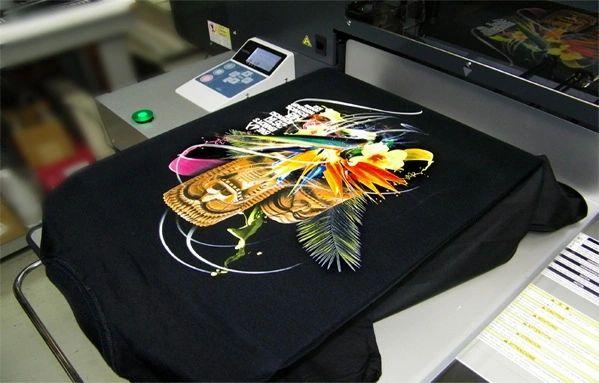
DTG printing creates soft, durable, and detailed designs by directly applying ink to fabric. For complicated artwork and modest order quantities, it performs exceptionally well.
Heat Transfer and Sublimation
These techniques are frequently applied to specialized materials or vivid colors. They produce dependable outcomes and strong prints.
Automation Systems
Automated order processing is integrated into many platforms, which lowers mistakes and quickens production.
How Brands and Creators Benefit
Practical benefits that traditional business cannot easily match are providing by the print-on-demand model.
Lower Financial Risk
Because there is no need to purchase wholesale inventory in advance, print on demand significantly reduces financial risk. The issue of unsold inventory and lost investment is circumvented by producers since things are only made once a buyer placed an order. Businesses may function more safely and efficiently manage cash flow with this pay-as-you-sell procedure.
Global Reach
Modern on-demand printing networks often make use of several fulfillment centers spread across a wide range of geographies. This decreases the cost of shipping and shortens delivery time as orders get produced closer to the customers. Due to this, small companies can acquire a global presence and serve to remote markets without the need to address complex logistics.
Creative Freedom
Designers are free to try out new ideas and styles because there are no minimum order limits. Without committing to big volumes, they can introduce specialty products, limited editions, or regular styles. This adaptability fosters novelty and facilitates prompt reaction to consumer favorites and trends.
Scalability
Systems for printing on demand are made to enlarge with the company. The production process mechanically adapts whether a creator sells a few products or meetings a surprising spike in orders. This scalability ensures smooth operations and permits brands to enlarge without worrying about industrial limitations.
Choosing the Right Platform for Custom Apparel
With the development of the industry, different services are currently used to enable design-to-product workflows. In choosing a platform, designers mostly put into thought the quality of the printing, the type of garments, the speed at which they are delivered, and convenience. There are also services that aim at streamlining the process of the designers and the small businesses.
Variations of this process have been made easier with the assistance of a variety of sites that assist designers and small enterprises in making the design-to-product process easier as the industry expands
TeeDIY is a print-on-demand custom apparel platform designed to help creators and small brands turn ideas into wearable products without holding inventory. Users can upload designs, preview products, and launch personalized apparel through a streamlined design-to-production workflow. By combining on-demand manufacturing with fulfillment support, TeeDIY makes it easier to test new designs, reduce upfront risk, and scale custom apparel efficiently.
Conclusion
Print on Demand has changed the way apparel is viewed by bridging the gap between designing and making. A digital design and a few clicks is what used to take huge investments and sophisticated logistics to accomplish.
On-demand printing empowers both individuals and a business, enabling them to customize their own t- shirts and even their entire collections with ease, as consumers increasingly seek unique and meaningful products, print-on-demand is set to become a cornerstone of modern fashion.