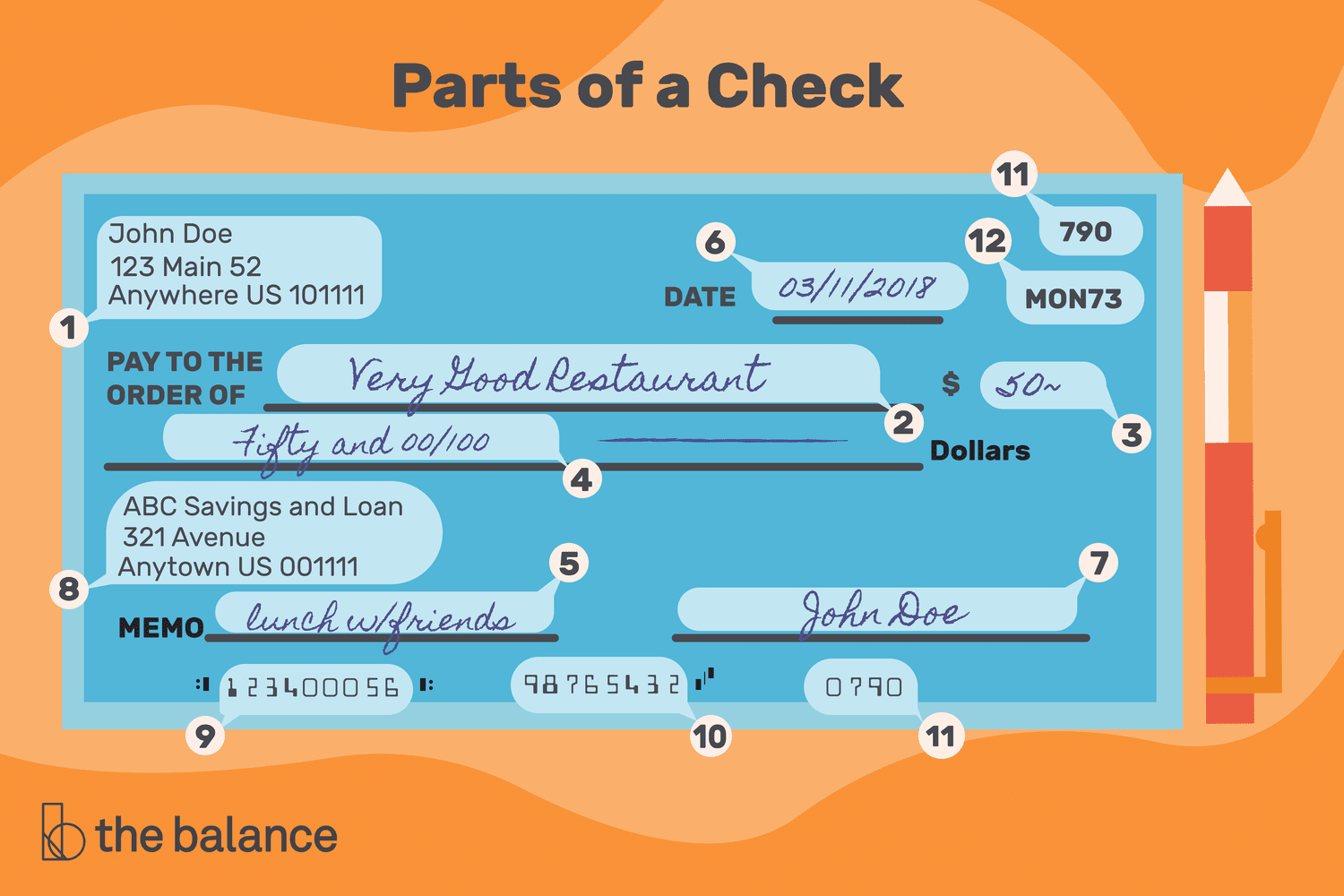
A paper check may seem old-fashioned in today’s digital banking world, but it remains an important financial tool for many individuals and businesses. Whether you are paying rent, making a donation, or handling business transactions, knowing how a check works can help you avoid errors and fraud. In this guide, we’ll break down the Parts of a Check and explain what each section means and how to use it correctly.
1. Personal Information Section
At the top left corner of a check, you’ll find the account holder’s name and address. This section identifies who owns the bank account. Some checks may also include a phone number, which can help recipients contact the payer if there are questions about the payment.
This information is pre-printed when you order checks from your bank or a check printing company. Always ensure your details are accurate to prevent issues during processing.
2. Check Number
Located in the top right corner and again at the bottom, the check number helps you keep track of transactions. Each check in your checkbook has a unique number. When you record payments in your register or banking app, referencing this number makes it easier to monitor spending and reconcile your account.
3. Date Line
The date line appears near the top right portion of the check. Here, you write the date when the check is issued. This tells the bank when the payment was authorized. While most banks process checks as soon as they are deposited, postdating (writing a future date) does not always guarantee the bank will delay processing.
4. Payee Line
The “Pay to the Order of” line is where you write the name of the person or business receiving the payment. Be sure to use the full legal name. For example, if you’re paying a utility bill, write the exact company name as shown on the invoice.
Incorrect spelling or incomplete names may cause delays or require reissuing the check.
5. Payment Amount Box
On the right-hand side, you’ll see a small box where you write the payment amount in numbers. Always write clearly and include cents, even if the amount is even (e.g., 150.00). This box is crucial because banks primarily use the numeric value to determine the payment amount.
6. Amount in Words Line
Below the payee line, you must write the amount in words. For example, $150.00 becomes “One hundred fifty and 00/100.” If there is any discrepancy between the numeric and written amounts, banks typically rely on the written version.
This line adds an extra layer of security and reduces the risk of alteration.
7. Memo Line
The memo line, located in the lower left corner, is optional but helpful. You can use it to note the purpose of the payment, such as “March Rent” or “Invoice #1234.” While banks do not require this section for processing, it provides clarity for both parties and helps with recordkeeping.
8. Signature Line
The signature line, found at the bottom right, is one of the most important sections. Your signature authorizes the bank to release funds from your account. Without a valid signature, the check cannot be processed.
Always use the same signature style that your bank has on file to prevent rejection.
9. Routing and Account Numbers (MICR Line)
At the bottom of the check, you’ll find a string of numbers printed in magnetic ink, known as the MICR line. This includes:
-
The routing number (identifies your bank)
-
Your account number
-
The check number
Major financial institutions such as JPMorgan Chase and Bank of America use these numbers to electronically process transactions quickly and securely.
Why Understanding Check Components Matters
Even with digital payment platforms like PayPal and Venmo gaining popularity, paper checks are still widely accepted. Knowing the correct way to fill one out helps prevent fraud, overdrafts, and payment delays.
Understanding the structure of a check empowers you to manage your finances responsibly. By familiarizing yourself with each section, you can confidently write checks, verify received payments, and maintain accurate financial records.