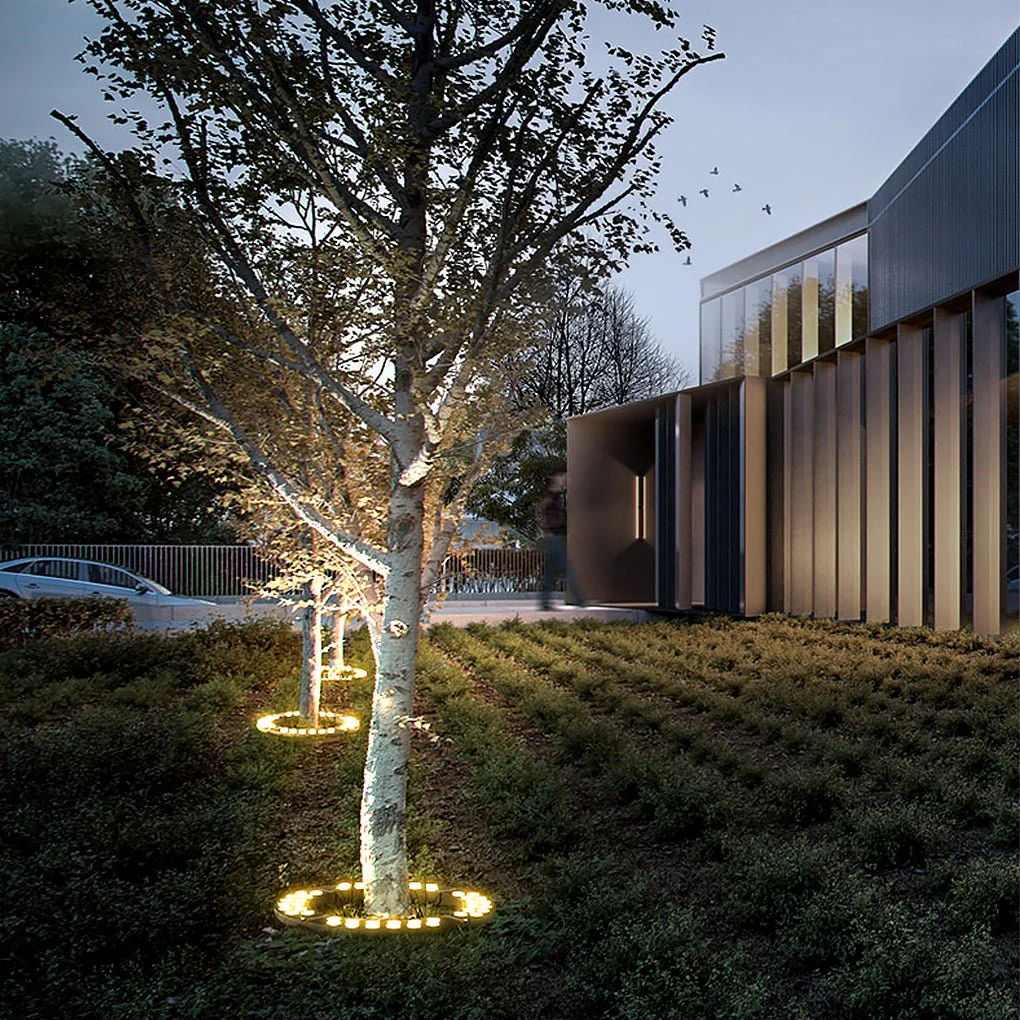
Precision and focus are the defining qualities of a spotlight — and when water resistance is added to that equation, you get a fixture capable of performing in virtually any outdoor environment. A quality waterproof spotlight from Kings Outdoor Lighting delivers focused, reliable illumination that stands up to rain, sprinkler systems, coastal moisture, and temperature extremes that would compromise lesser fixtures.
What Waterproof Really Means in Spotlight Applications
The word waterproof is used loosely in outdoor lighting marketing. In engineering terms, water resistance is precisely defined by the IP rating system. The two digits after IP tell you exactly what the fixture has been tested and certified to withstand.
IP65 means the fixture is dustproof and resistant to water jets from any direction. This is adequate for fixtures that will experience rain and sprinkler water but not immersion. IP67 means the fixture can withstand temporary immersion up to 1 meter for 30 minutes. IP68 is for fixtures that will be continuously submerged or regularly exposed to standing water.
For most landscape spotlight applications — even those near irrigation zones — IP65 is sufficient. For spotlights installed below grade in drainage-prone areas or near water features, IP67 or IP68 provides the appropriate safety margin.
Construction Details That Deliver Waterproofing
A fixture’s IP rating is only as reliable as the quality of its sealing components. The primary failure points in landscape spotlights are the lens gasket, cable entry point, and any screwed access covers.
Silicone gaskets hold their elastic properties through temperature extremes far better than foam or rubber alternatives. They should seat firmly against the lens without gaps or compression deformation. Cable entry points should use cord grips or glands that cinch around the cable sheath to prevent water from wicking along the conductor. Access covers should use stainless steel hardware that does not corrode and seize over time.
Pairing waterproof spotlight with brass led outdoor lighting from Sunbright Lighting creates a comprehensive outdoor lighting system where both spot and specialty lighting share the same quality of weatherproof engineering, ensuring consistent reliability across all exterior fixtures.
Beam Control in Wet Environments
One consideration often overlooked in wet-area spotlight applications is the effect of lens contamination on beam quality. Outdoor fixtures exposed to sprinkler systems develop mineral deposits on their lenses from calcium and magnesium in the water. Over time, these deposits diffuse the beam and reduce output. In coastal environments, salt deposits create similar effects.
High-quality waterproof spotlights use tempered glass lenses that resist mineral adhesion better than polycarbonate alternatives. When mineral deposits do form, a glass lens can be cleaned with mild acid solutions without damage to the surface.
Applications That Require True Waterproof Performance
**Below-grade uplight installations** — Well lights installed in areas with poor drainage routinely fill with water temporarily after heavy rain. An IP67 or IP68 rated fixture handles this without damage. An IP65 fixture may eventually fail.
**Near water features** — Spotlights positioned to illuminate a fountain or waterfall receive water splash regularly. IP65 is typically adequate but IP67 provides a comfortable safety margin.
**Coastal and high-humidity environments** — Continuous high-humidity exposure is more demanding than occasional rain for fixture seals. Salt air penetrates compromised seals aggressively. Here, the combination of IP67 rating and marine-grade hardware is strongly recommended.
For premium 120V outdoor motion sensor flood lighting that provides security coverage near your spotlight installations, 120V Outdoor Motion Sensor Flood Lights from Sunbright Lighting offers fixtures engineered to the same exacting weatherproof standards as their low voltage equivalents.