Introduction: The Metrics Everyone Chased Are Losing Value
For more than a decade, social media success was measured by numbers.
How many followers does a brand have?
How many likes did a post receive?
How many impressions were generated last month?
These metrics became the universal language of digital marketing. They appeared in reports, presentations, investor updates, and campaign summaries.
But something is changing.
As social platforms mature and competition intensifies, many companies are realizing that follower counts alone reveal very little about actual business potential. A million followers may generate less value than a highly engaged audience of ten thousand. Large numbers look impressive, but they rarely explain who the audience is, what they care about, or whether they are likely to become customers.
This shift is driving a broader movement toward audience intelligence – the practice of understanding followers rather than simply counting them.
Why Vanity Metrics No Longer Tell the Full Story
The early social media era rewarded visibility.
Brands competed to accumulate followers because reach was relatively easy to convert into attention. More followers generally meant more opportunities to be seen.
Today’s environment is different.
Algorithms determine visibility more than follower counts. Consumer attention is fragmented across platforms. Engagement patterns vary dramatically between communities.
As a result, marketers are beginning to ask more sophisticated questions:
- Who are these followers?
- What interests do they share?
- Which communities influence them?
- Are they potential buyers or passive observers?
- What signals indicate purchase intent?
These questions cannot be answered through follower counts alone.
The focus is moving from audience size to audience quality.
Followers Are Becoming a Source of Market Intelligence
One of the biggest shifts in modern marketing is the realization that social audiences represent a valuable source of consumer data.
Every follower reflects a choice.
People follow creators, brands, and communities because they are interested in specific topics, lifestyles, industries, or products.
When analyzed collectively, follower communities reveal patterns that traditional surveys often miss.
For example:
- Emerging consumer interests
- Niche market opportunities
- Industry trends
- Competitive audience overlap
- Potential partnership opportunities
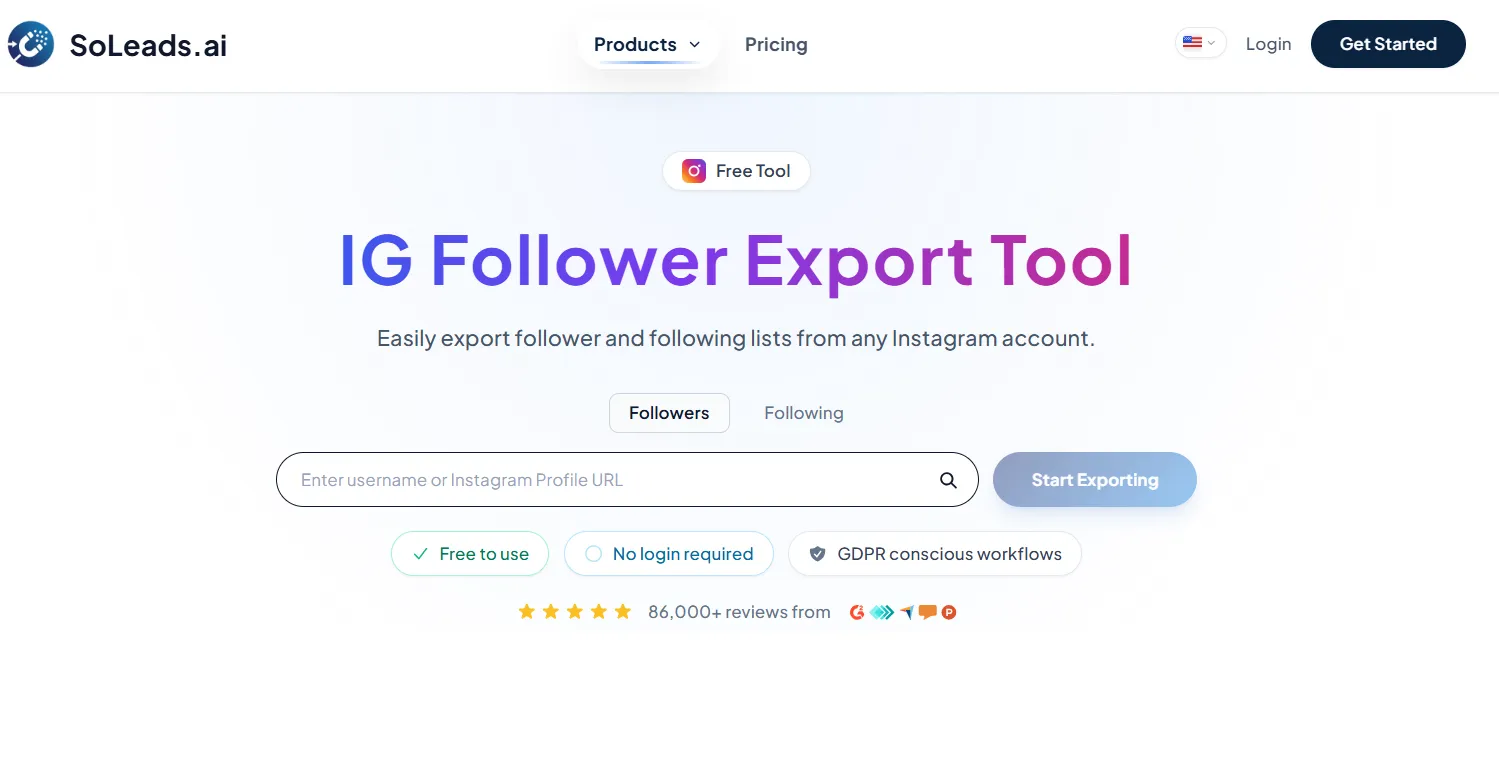
This is one reason why tools such as an ig follower export tool are gaining attention among growth teams. Rather than viewing followers as a vanity metric, marketers increasingly see follower data as a starting point for audience research and market discovery.
The goal is no longer to admire the number – it is to understand the people behind it.
The Rise of Audience Intelligence
Audience intelligence has become one of the most important competitive advantages in digital marketing.
Artificial intelligence has lowered the barriers to content creation. Nearly every company can generate posts, videos, graphics, and campaigns at scale.
What remains difficult is understanding the audience.
The organizations that know their market better often outperform competitors with larger budgets.
This explains why audience intelligence is emerging as a new layer within modern growth strategies.
Instead of asking:
“How can we create more content?”
Teams are asking:
“What can we learn from the audiences that already exist?”
The distinction may seem subtle, but it changes how businesses approach growth entirely.
Consumer Audiences and Professional Audiences Are Converging
Another important trend is the growing overlap between consumer behavior and professional behavior.
People no longer separate their personal and professional identities as cleanly as they once did.
Someone who follows industry creators on LinkedIn may also engage with niche communities on Instagram. Decision-makers consume content across multiple platforms, leaving signals in different places.
This has created new opportunities for businesses seeking deeper audience insights.
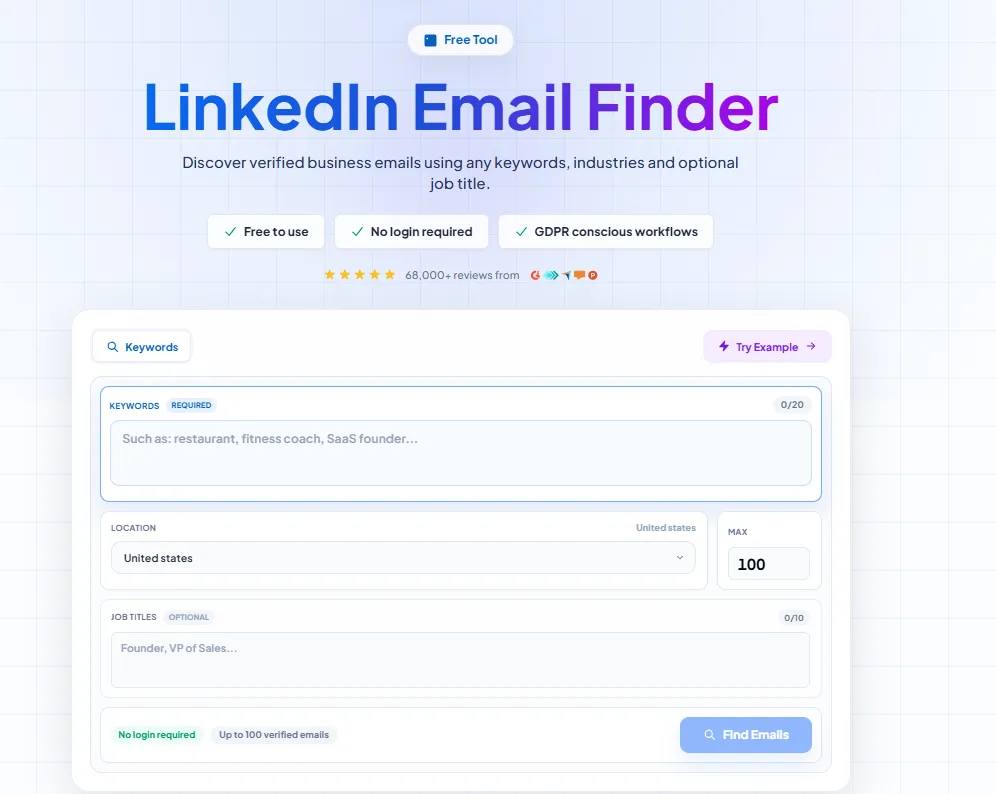
For example, marketers who identify engaged audience segments on social platforms often seek to understand the professional profiles behind those interests. This is where solutions such as a linkedin email finder become valuable for organizations focused on outreach, partnership development, recruiting, or B2B prospecting.
The combination of social interest data and professional context provides a more complete picture of potential customers.
Why Traditional Market Research Is Losing Ground
Traditional market research remains important, but it faces limitations.
Surveys depend on self-reported answers.
Focus groups involve small sample sizes.
Research projects often require significant time and budget.
Meanwhile, social platforms generate real-world behavioral data every day.
People continuously reveal:
- Interests
- Preferences
- Professional affiliations
- Community memberships
- Brand relationships
This information is dynamic, immediate, and often more reflective of actual behavior than stated intentions.
As a result, many businesses are supplementing conventional research with audience intelligence derived from digital communities.
The Future Belongs to Audience-Centric Companies
The next generation of successful brands will not necessarily be the companies with the largest audiences.
They will be the companies that understand their audiences most deeply.
In an era where content creation is increasingly automated, audience understanding becomes a differentiator that cannot be easily replicated.
Knowing who follows a creator.
Knowing which communities overlap.
Knowing how interests connect across platforms.
These insights create opportunities that follower counts alone can never reveal.
Conclusion: Counting Is Easy. Understanding Is Valuable.
The era of vanity metrics is not completely over, but it is becoming less relevant.
Follower counts still provide visibility, but visibility alone does not drive sustainable growth.
The real opportunity lies in understanding the people behind the numbers.
As businesses compete for increasingly fragmented attention, audience intelligence is becoming a strategic asset rather than a marketing luxury.
The smartest brands are no longer asking how many followers they have.
They are asking who those followers are – and what they can learn from them.