LEWISTON, Idaho, October 9th, 2026
Far from the big-city agency hubs, Lewiston Digital Marketing is pressing a point it says many businesses overlook: advertising works best when you already look great when customers search. The agency places a primary focus on organic search, the unpaid listings search results people see when they look for a product or service, and argues that too many companies pay for attention before they’ve built the visibility that makes it count. For many owners, it says, correcting that order turns marketing from a recurring cost into something closer to an investment.
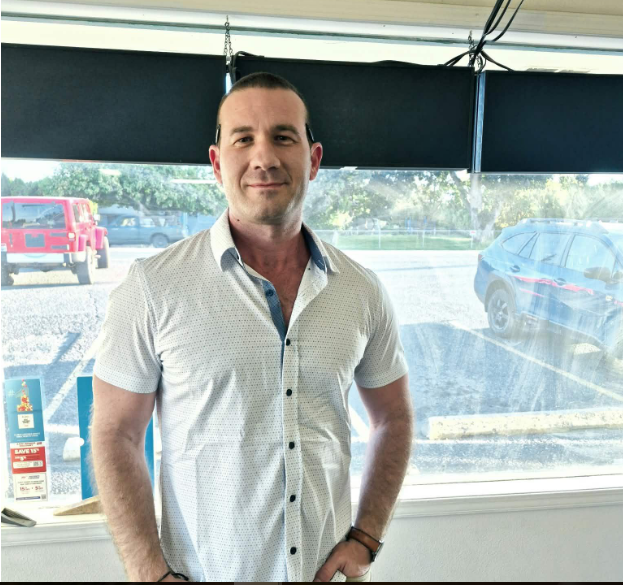
Matt Dean, the Sr VP of Development at Lewiston Digital Marketing, spent much of his career on the client side of marketing, reviewing advertising expenses and judging results. He says that experience shaped how he sees the problem today. “When you’re the one signing off on the ad spend, you start asking what you own after the bill is paid,” Dean said. “Too often the honest answer is nothing.”
Ads Create the Search. Rankings Capture It.
Dean’s central point is about what happens after someone sees an ad. A person who notices a promotion rarely buys on the spot. More often, they open a search engine and look the business up. They want to confirm it exists, read what others say, and compare it with alternatives.
“An ad can start the conversation, but the search finishes it,” Dean said. “If your business isn’t there at the finish, you paid to introduce a customer to your competitor.”
That is the sequencing problem he sees most. Companies fund campaigns to create interest, then fail to appear when that interest turns into a search. The ad budget works hard, and part of the return leaks out at the last step. Because the leak happens out of sight, in a search the business never knows took place, owners rarely connect it to their ad results. They only see that the campaign underperformed.
Building organic visibility first, Dean argues, closes the leak. Paid campaigns then feed a presence that is already in place, and the same spend produces more. He compares it to inviting guests to a house before the lights are on. The invitation was fine. The house just wasn’t ready.
The Searches That Pay the Bills
Dean encourages owners to look past the broad, high-traffic terms and focus on what customers type when they are ready to act. A homeowner with a burst pipe doesn’t search for “plumbing.” They search for a plumber who can come tonight.
“Those searches are small, and that’s the point,” he said. “Nobody types them out of curiosity. They’re typed by someone with a problem and a phone in their hand.”
Phrases tied to a place and a need also tend to draw fewer competitors than broad terms, which gives smaller businesses a realistic route onto the first page. The agency’s work begins by identifying which of those phrases matter most for each client, then building visibility for them one at a time.
Dean says owners are sometimes surprised by how short the list is. A business may offer a dozen services, but two or three of them produce most of the revenue. Those are the ones worth ranking for first. Spreading effort across every possible phrase, he says, is how budgets get used up before anything reaches the top of the page.
The same logic applies to advertising. Paid campaigns aimed at broad terms tend to be expensive, because many advertisers are bidding on them. Campaigns aimed at the specific, ready-to-buy searches cost less and convert better, and those are the same searches the organic work targets. Dean says that overlap is useful, because the two channels can be measured against each other.
How the Budget Shifts Over Time
Dean does not tell clients to stop advertising. He describes a gradual change in how the money is used.
In the early months, paid advertising keeps leads coming while organic work is underway. As rankings improve for the terms that matter, the agency looks at where ads are buying clicks the business would now earn on its own. Those dollars can move to other uses, such as promotions, new service areas, seasonal pushes, or even to the bottom line as profit.
“Think of ads as a bridge, not a destination,” Dean said. “You use them while the road is being built. Once people can drive across on their own, you stop paying the toll on every trip.”
He says the timing differs for every business. A company in a quiet market may see organic results take hold within a few weeks. One facing established competitors may need longer, and it may keep ads running in the meantime for the terms where it hasn’t yet broken through. The point, he says, is that the decision is made term by term, not all at once.
Dean also notes that some advertising never needs to stop. Launching a new location, announcing a sale, or reaching people who aren’t yet searching are jobs ads do well. What he wants owners to reconsider is paying repeatedly for clicks on searches where the business already ranks near the top.
What Changes Once Rankings Carry Part of the Load
The benefit Dean emphasizes most is stability. A business that depends entirely on ads sees its lead flow rise and fall with its budget. One with solid organic visibility keeps a baseline of inquiries even when paid spending is cut or paused.
That steadiness, he says, changes how owners plan. They can approach slow seasons without fear of losing their footing, and they can test new ads without betting the whole month on the result.
“The owners I respect most aren’t the ones with the biggest budgets,” Dean said. “They’re the ones who know exactly which dollars are doing what.”
He adds that stability also improves negotiations. A business that isn’t desperate for the next campaign to work can walk away from a poor deal with an ad platform or a vendor. It can wait for a better offer, or put the money elsewhere.
Rankings are not permanent, and he is careful to say so. Search results change, and competitors improve. The agency monitors positions continuously and adjusts, since visibility that is ignored tends to erode. A business that stops paying attention to its rankings, he says, is making the same mistake as one that never built them.
Why the First Result Changes What Your Ads Can Do
Everything Dean has described so far depends on one thing: a customer who searches has to find the business. He says where the business lands on the page decides how often that happens.
Search studies have repeatedly found that the first organic result earns many times the clicks of the listings below it. [Cite a specific, current click-through study here.] The lower a listing sits, the more it depends on customers who scrolled past the first few options, and most don’t.
“The first name on the list gets looked at first, and often it’s the only one that gets looked at,” Dean said. “Being fourth or fifth isn’t a smaller version of being first. It’s a different situation.”
The Top Result Is a Vote of Confidence
Clicks are only part of it, Dean says. Customers also read the order of the results as a judgment. The business listed first looks like the one Google believes in, and that belief carries over to the person searching.
“Nobody stops to ask how a business got to the top,” he said. “They figure it earned the spot, so they relax. That feeling does a lot of the selling before anyone picks up the phone.”
For a customer who has never heard of a company, he says, that signal is often the only reference available. A strong ranking tells them this is a business others have found worth recommending, and that lowers the risk of making the call.
Where the Ad Gets Its Payoff
Dean ties the idea back to the sequence he described at the start. A customer sees an ad, then searches for the business to check it out. At that moment, the ranking either backs up the ad or undercuts it.
“The ad makes a claim. The search results are the second opinion,” Dean said. “When the second opinion is the business sitting at number one, the customer feels confirmed. When it’s a competitor, the ad just did that competitor a favor.”
When the business holds the top spot, he says, the customer who came looking for proof finds it right away. The ad’s promise and the search result agree, and the customer moves forward with confidence. That is why he argues the same ad budget performs better for businesses with a strong ranking behind it. The ad doesn’t have to carry the full burden of persuasion. It only has to start the conversation.
A Practical Test for Any Business Owner
Dean closes with a suggestion anyone can try this week. Pretend you are a customer who clicked on your ad, and now is searching to see how you match up to the competition. Do this search and take note who holds the first spot. If your website is the first result they see, that’s worth its weight in gold. If they see your competitors, then at least you’ve gathered valuable information about your position.
“Ask yourself who you’d call if you’d never heard of any of them,” he said. “If the answer isn’t you, you’ve found where the ad money is leaking.”
He suggests doing it on a phone, since that is where many local searches happen, and repeating it after a few weeks.
For owners who would rather not guess, Lewiston Digital Marketing offers a first conversation about where a business appears today and what it would take to reach the top spot.
Contact
Name: Matt Dean, Sr VP of Development
Organization: Lewiston Digital Marketing
Location: Lewiston, Idaho
Email: [email protected]
Phone: 1.208.582.5268