The world of home improvement has transformed dramatically over the last decade, driven by rapid advancements in smart appliances, automation, and energy‑efficient technology. Homeowners today are not only concerned with comfort and convenience—they are also motivated by sustainability, long‑term savings, and modern living experiences. Two major topics are at the center of this shift: the latest technology appliances and the persistent question, what temperature to keep your house in winter for both comfort and efficiency.
This long‑form guide explores these topics in depth, offering insight into the newest home technologies and practical advice that improves energy performance, enhances comfort, and boosts home value. Whether you’re upgrading devices, preparing for winter, or planning a complete home renovation, this article will give you detailed, helpful, and research‑backed guidance.
The Rise of Smart Home Technology
Over the last few years, smart home technology has become mainstream. Consumers now expect appliances that can automate tasks, optimize energy usage, and provide remote control via smartphone or voice assistant. The newest devices go far beyond basic programmability—they integrate with entire smart ecosystems and learn user habits.
Here are the current categories of latest technology appliances driving the smart‑home revolution.
Smart Kitchen Appliances: The Heart of Modern Living
The kitchen has seen the most innovation in recent years. From cooking to preservation to cleaning, the new generation of appliances uses sensors, AI, and adaptive controls to create a truly convenient experience.
1. Smart Refrigerators
Modern refrigerators include:
- AI‑powered food recognition
- Touchscreen digital panels
- Internal cameras for remote viewing
- Auto‑temperature management
- Voice assistant integration
Some models even suggest recipes based on what’s inside your fridge.
2. Smart Ovens and Ranges
These appliances now offer:
- App‑controlled preheating
- Guided cooking programs
- Automatic temperature adjustments
- Air‑fry and steam functions
- Energy‑efficient modes
Smart ovens can prevent overcooking and optimize heat distribution using new convection and sensor technology.
3. Smart Dishwashers
Features include:
- Soil sensors
- Energy‑monitoring dashboards
- Quiet operation with insulated panels
- Leak detection
- Wi‑Fi alerts and cycle customization
These dishwashers use less water and electricity while delivering better cleaning results.
Smart Home Climate Control: Comfort Meets Efficiency
As winters grow colder and utilities more expensive, smart thermostats and climate systems have become essential.
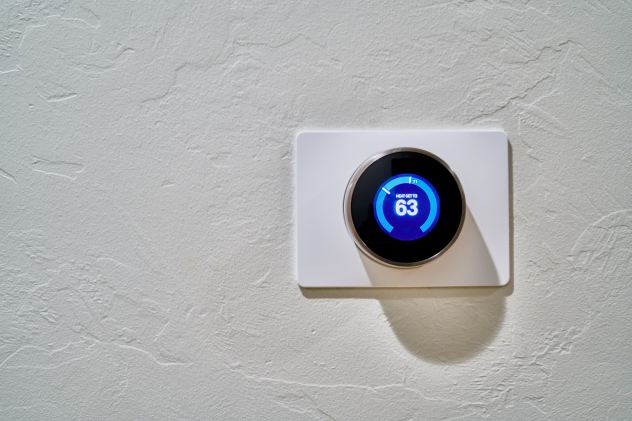
Smart Thermostats
Modern thermostats can:
- Learn your heating habits
- Adjust temperature automatically
- Integrate with weather data
- Optimize HVAC efficiency
- Allow remote control
These devices play a major role in determining what temp to keep house in winter, which we’ll explore later.
Smart Humidifiers and Air Purifiers
Winter air tends to be dry and stale, so humidity control is crucial for:
- Comfort
- Skin health
- Preventing static electricity
- Protecting wooden furniture
- Improving indoor air quality
Smart versions adjust automatically based on sensor readings.
Smart Cleaning Appliances
For many homeowners, cleaning is one area where automation is especially welcome.
Robot Vacuums
Today’s top models include:
- LIDAR mapping
- AI obstacle avoidance
- Self‑emptying bins
- Advanced HEPA filtration
- Multi‑floor mapping
- Voice control
Robot vacuums have become highly effective, especially on mixed flooring homes.
Robot Mops and Hybrid Systems
These devices integrate:
- Smart water control
- Zone cleaning
- Automatic surface detection
- Virtual boundaries
They complement vacuums and maintain cleanliness with minimal human involvement.
Smart Laundry Appliances
Laundry technology is advancing quickly, prioritizing water efficiency, reduced detergent usage, and fabric care.
Smart Washing Machines & Dryers
Common features include:
- AI fabric detection
- Load‑sensing wash cycles
- Auto‑dispense detergent systems
- Wrinkle‑preventing steam functions
- Maintenance diagnostics
These machines also help cut energy costs—a major benefit in winter when utility demands rise.
What Temperature to Keep Your House in Winter
One of the most common home‑related questions is how warm a house should be during winter. The answer varies depending on comfort preferences, energy goals, and home insulation.
Here are the key recommendations.
Ideal Winter Temperature for Comfort
Most people feel comfortable when the indoor temperature is between:
- 68°F to 72°F (20°C to 22°C)
This range balances warmth and energy efficiency.
Ideal Winter Temperature for Energy Savings
Energy experts often recommend:
- 65°F to 68°F (18°C to 20°C)
Every degree you lower your thermostat can reduce heating costs by 2% to 5%.
Ideal Sleeping Temperature in Winter
For sleep:
- 60°F to 67°F (15°C to 19°C)
A cooler environment encourages deeper, healthier sleep.
When You’re Away from Home
Set the thermostat to:
- 55°F to 60°F (12°C to 15°C)
This prevents frozen pipes while conserving energy.
Using Smart Thermostats to Optimize Winter Heating
Smart thermostats offer:
- Automatic schedule creation
- Weather‑based adjustments
- Energy‑saving modes
- Room‑by‑room zoning
- Remote monitoring
They can reduce heating costs by up to 15% annually by keeping temperatures in ideal ranges.
Home Improvements That Boost Winter Efficiency
Home improvement projects often focus on summer cooling, but winter upgrades are equally important—especially if you’re concerned with heating costs or comfort.
Here are the best winter home improvement projects.
- Upgrade Insulation
Good insulation is essential. Focus on:
- Attic insulation
- Basement insulation
- Wall cavity insulation
- Pipe insulation
Better insulation means less heat loss and lower winter bills.
- Install Smart Thermostats
A thermostat is an easy upgrade with major benefits. Models from Nest, Ecobee, and Honeywell offer:
- Learning technology
- Remote app control
- Energy reporting
This supports optimal winter temperature control.
- Seal Air Leaks
Cold drafts often come from:
- Windows
- Doors
- Chimneys
- Attic hatches
- Electrical outlets
- Baseboards
Weather‑stripping and caulking prevent heat loss.
- Replace Old Windows
Double or triple‑pane windows improve insulation dramatically and enhance home resale value.
- Add Smart HVAC Systems
New HVAC systems include:
- Variable‑speed blowers
- Automated air balancing
- Smart zoning
- Heat‑pump integration
Modern systems combine comfort with reduced winter energy consumption.
- Install Smart Lighting
Smart LEDs use 70% less energy and can be automated with:
- Motion sensors
- Sunrise/sunset timers
- Dimmer integration
These upgrades contribute to an energy‑efficient home all year round.
- Update Water Heating Systems
Tankless and hybrid heaters offer high efficiency and consistent hot water, even in winter when demand is higher.
How Latest Technology Appliances Improve Winter Living
Winter comfort is about more than heat—it’s about controlling humidity, air flow, and overall efficiency. The latest technology appliances directly address winter challenges.
Key improvements include:
- Smart humidifiers prevent dry air
- Air purifiers remove winter allergens
- Smart HVAC reduces heating costs
- Smart blinds retain indoor heat
- Smart plugs monitor appliance energy use
Together, they create a warm, healthy, efficient home.
Integrating Smart Home Technology Into Home Improvements
If you’re planning upgrades, consider a step‑by‑step approach.
Step 1: Evaluate Energy Loss
Conduct a home energy audit.
Step 2: Smart Thermostat Installation
This is usually the easiest entry point.
Step 3: Upgrade Appliances
Replace old energy‑hungry devices with smart, efficient options.
Step 4: Improve Insulation
This delivers immediate winter benefits.
Step 5: Add Smart Ecosystem Controls
Devices like:
- smart speakers,
- smart plugs,
- and smart hubs
unify your home’s systems.
Choosing the Right Latest Technology Appliances
When selecting appliances, focus on:
- Energy efficiency ratings
- Smart home compatibility
- Warranty and service
- User reviews
- Integration with existing systems
Brands leading the market include Samsung, LG, Whirlpool, Bosch, GE, Nest, Ecobee, and Dyson.
The Future of Home Technology
In the next decade, expect:
- AI‑powered appliances that fully automate daily tasks
- More energy‑efficient heat pumps
- Complete home monitoring systems
- Appliances communicating with utility companies to reduce energy demand
- Intelligent materials that self‑insulate or self‑clean
Smart homes will increasingly anticipate needs rather than simply respond to commands.
Final Thoughts
Home improvement has evolved far beyond traditional upgrades. Modern homeowners are embracing the latest technology appliances to create smarter, more efficient living spaces. At the same time, understanding what temp to keep your house in winter helps balance comfort with cost savings. Together, these concepts shape the future of the modern household.
By combining energy‑efficient appliances, smart climate control, and targeted home improvements, you can design a home that’s not only comfortable and safe during winter, but also modern, sustainable, and future‑ready.