As the blockchain industry matures, attention is gradually shifting from purely speculative assets toward infrastructure that enables real-world financial activity. Each market cycle tends to highlight a different sector of innovation, and many observers believe the next wave could be driven by platforms focused on payments and everyday crypto usability.
In this evolving landscape, projects working on transaction infrastructure are beginning to attract increasing attention. One platform that has recently started appearing more frequently in discussions around this sector is Klayden.
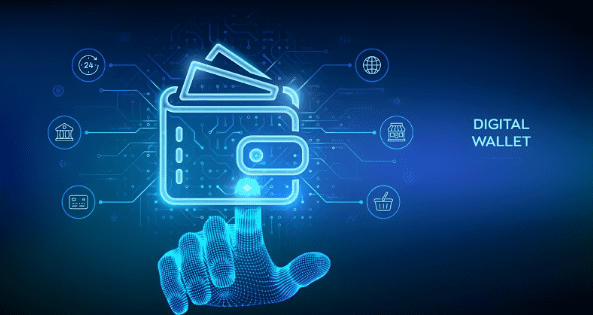
The project is developing a crypto wallet and payment ecosystem designed to make sending, receiving, and managing digital assets faster and easier for everyday users.
As interest in practical blockchain applications grows, platforms aiming to simplify crypto payments are starting to move closer to the center of industry conversations.
A Payment Platform Designed Around Simplicity and Security
Klayden focuses on creating a streamlined environment where users can interact with digital assets through a secure and accessible interface. The platform combines wallet functionality with payment infrastructure, allowing users to store assets and complete transactions within the same system.
Instead of navigating between exchanges, wallets, and external tools, users are able to manage their funds through a single environment designed to prioritize both convenience and security.
The platform emphasizes encrypted infrastructure that protects user funds while enabling fast transactions. By reducing complexity while maintaining strong security standards, the system aims to make crypto payments feel more natural and accessible.
Improving usability has become one of the most important goals across the Web3 ecosystem, and platforms addressing this challenge are receiving increasing attention from both developers and investors.
Why Crypto Payments Are Becoming a Major Industry Focus
Across the broader blockchain sector, the conversation is increasingly moving toward real-world applications of decentralized technology. While trading activity continues to dominate large parts of the market, developers are increasingly building tools designed for everyday financial interactions.
Payment infrastructure sits at the center of this transition. If digital assets are to become widely used financial instruments, users will need systems that allow them to move funds quickly, securely, and without complicated processes.
Wallets and payment platforms are widely seen as the gateway through which many new users will first interact with blockchain technology.
Because of this, projects developing payment solutions are gradually becoming one of the most closely followed areas within the Web3 ecosystem.
Early Attention Often Signals Emerging Opportunities
The crypto market has repeatedly shown that some of the most influential platforms initially gain traction long before they receive widespread media coverage. Early discussions within crypto communities often serve as the first sign that a project is beginning to attract attention.
Klayden appears to be entering that early visibility phase. While the platform is still developing its ecosystem, the focus on secure and simplified crypto payments has begun drawing curiosity from observers following the growth of blockchain payment infrastructure.
For investors and analysts watching the evolution of Web3, projects that begin gaining attention at this stage often become the ones to watch as industry narratives develop.
The Growing Importance of Web3 Payment Infrastructure
As blockchain technology continues expanding into practical financial applications, payment infrastructure will likely become one of the most critical components of the Web3 economy.
Platforms capable of enabling fast and secure crypto transactions while maintaining a simple user experience could play a major role in how digital assets integrate with global financial systems.
Klayden is positioning itself within this growing sector by focusing on accessible wallet technology and streamlined crypto payments.
As the broader market continues exploring the future of blockchain-based transactions, projects building payment infrastructure are gradually attracting more attention from those closely following the next phase of Web3 development.