
IPTV Trial Periods Explained: What to Test Before Buying a Subscription

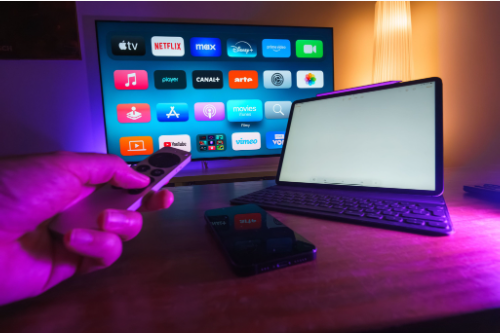
Choosing an IPTV subscription can be challenging when providers advertise different channel selections, streaming quality, device compatibility, and pricing plans. A trial period can help viewers evaluate these features before making a financial commitment. Rather than focusing only on the number of advertised channels, it is important to test playback quality, available content, customer support, and subscription conditions. If you are comparing a Best IPTV Canada susbscription, understanding what to check during a trial can help you make a more informed decision.
What Is an IPTV Trial Period?
An IPTV trial period provides an opportunity to evaluate a television service before purchasing a longer subscription. Depending on the provider, a trial may offer limited access to channels, selected features, or the full service for a specified period.
Trials can help users determine whether a service works with their devices and internet connection. They can also reveal potential problems with channel availability, application compatibility, and playback performance.
However, not all trials offer the same conditions. Some are free, while others require payment or provide limited access. Before activating a trial, read the terms carefully and check whether payment information is required.
Why Should You Test IPTV Before Subscribing?
An advertised channel list does not necessarily reflect the actual viewing experience. A service may appear suitable on paper but perform differently depending on your location, internet connection, and device.
Testing before subscribing offers several advantages:
- Check streaming quality: Determine whether channels load consistently and provide acceptable picture quality.
- Verify channel availability: Confirm that the channels you want are accessible.
- Test device compatibility: Make sure the service works with your Smart TV, Fire TV Stick, or Android TV device.
- Evaluate customer support: See whether the provider offers clear installation instructions and helpful assistance.
- Understand subscription conditions: Review pricing, renewal terms, cancellation policies, and connection limits.
A structured evaluation helps you compare providers using practical evidence rather than marketing claims alone.
1. Test Streaming Quality and Playback Stability
Streaming quality should be one of your first priorities during an IPTV trial. Open several channels and observe how quickly they load, whether playback remains stable, and whether the picture and audio stay synchronized.
Test the service at different times of day, including busy evening periods when household internet usage may be higher. This can help you identify whether interruptions are associated with network congestion or other technical issues.
If buffering occurs, check your internet connection before blaming the provider. Weak Wi-Fi, insufficient bandwidth, and background downloads can affect playback.
For a more reliable assessment, compare performance over Wi-Fi and Ethernet when possible. Record any recurring problems and contact support if the issue persists.
2. Verify Channel Selection and Availability
A large advertised channel count does not guarantee that every channel will be available or relevant to your viewing habits.
During the trial, create a short list of your preferred channels and test them individually. Check local programming, news, entertainment, and sports channels that matter to your household.
Pay attention to channel loading times, unexpected interruptions, and whether the advertised programming matches what is actually available.
If you are interested in a particular sporting event or television program, verify that the service has the appropriate distribution rights and that the content is included in the trial.
The goal is to determine whether the service meets your real viewing needs, rather than simply choosing the provider with the longest channel list.
3. Check Device Compatibility
An IPTV service may work well on one device but encounter limitations on another. Compatibility should therefore be confirmed before purchasing a subscription.
Test the device you intend to use most frequently, whether it is an Amazon Fire TV Stick, an Android TV device, or a compatible Smart TV.
Check the following:
- Whether a compatible player application is available.
- Whether the installation process is straightforward.
- Whether channels and program information load correctly.
- Whether navigation is responsive.
- Whether the application remains stable during extended viewing.
If you plan to watch on multiple devices, check whether your subscription permits simultaneous connections. Some providers restrict the number of devices that can stream at the same time.
4. Evaluate the Electronic Program Guide
An electronic program guide, commonly called an EPG, displays channel schedules and program information. It can make a television service easier to navigate, particularly when many channels are available.
During the trial, check whether program titles, schedules, and descriptions appear correctly. Verify the time-zone settings if the displayed schedule seems inaccurate.
Some applications require users to refresh the guide separately from the channel playlist. Others may receive updated information at different intervals.
A well-functioning guide can improve usability, but its quality depends on the application and the information supplied by the provider.
5. Review Customer Support
Customer support becomes particularly important when installation problems or playback interruptions occur.
Before subscribing, find out how the provider handles technical questions. Check whether installation instructions are available and whether support can explain compatibility requirements, login problems, or playlist errors.
If you encounter an issue during the trial, use that opportunity to evaluate the clarity and usefulness of the response.
Be cautious if a provider offers no clear contact information, requests unnecessary personal information, or asks you to share sensitive account details through unverified channels.
6. Understand Pricing and Subscription Terms
A trial is also an opportunity to examine the commercial conditions of a service.
Before providing payment details, check whether the trial is free, whether it automatically converts into a paid subscription, and whether cancellation is required before a specific deadline.
Review the following details:
- Monthly and longer-term subscription prices.
- Renewal and cancellation conditions.
- Refund policies.
- Permitted simultaneous connections.
- Additional charges or equipment requirements.
- Payment methods and privacy practices.
Avoid choosing a longer subscription simply because its advertised monthly equivalent appears lower. First establish that the service meets your needs and that the payment conditions are clear.
7. Check Content Licensing and Security
A trial should also help you assess whether a provider operates transparently.
IPTV is a technology for delivering television programming over internet networks. The legality of a particular service depends on whether it has the necessary rights to distribute the content it offers.
Review the provider’s business information, service terms, and content licensing claims. Be cautious of services advertising premium programming at unusually low prices without explaining their operations or distribution rights.
You should also protect your account credentials, use secure payment methods, and avoid installing unfamiliar applications from untrusted sources. A VPN does not make unauthorized content distribution lawful.
Where Can You Compare IPTV Subscription Options?
Once you know what to evaluate, comparing providers becomes easier. Focus on device compatibility, the channels you actually watch, playback stability, customer support, and transparent subscription terms.
Viewers researching IPTV canada options can review available service information and compare their requirements before committing to a subscription.
For anyone exploring Flux iptv canada, the same evaluation principles apply: check the published subscription conditions, verify supported devices, and assess the service against your own viewing requirements. Confirm any trial availability and its terms directly with the provider before purchasing.
Frequently Asked Questions
Are IPTV trials always free?
No. Some providers offer free trials, while others charge a fee or provide limited access. Always check the conditions before signing up.
How long should an IPTV trial last?
There is no universal duration. Choose a trial that gives you enough time to check device compatibility, channel availability, and playback at different times of day.
Can I test IPTV on my Fire TV Stick?
Yes, if the service and player support your device. Follow the provider’s installation instructions and use authorized application sources.
What should I do if IPTV buffers during a trial?
Check your internet speed, Wi-Fi signal, and other devices using the network. If the issue continues, contact the provider to investigate possible service-side problems.
Should I purchase a long-term subscription immediately after a trial?
Not necessarily. Review your test results, subscription terms, and cancellation conditions first. Choose a plan only when you are satisfied that the service meets your requirements.
Final Thoughts
An IPTV trial is most useful when approached as a practical evaluation rather than a quick demonstration. Testing playback quality, channel availability, device compatibility, program information, customer support, and subscription conditions can reveal whether a service is suitable for your household.
Before committing to a paid plan, verify content licensing, understand the renewal terms, and compare the features that matter most to you. Taking these steps can help you make a more informed decision and reduce the risk of paying for a service that does not meet your expectations.







Comment