
IPTV Subscription in France: How to Choose the Right Streaming Service

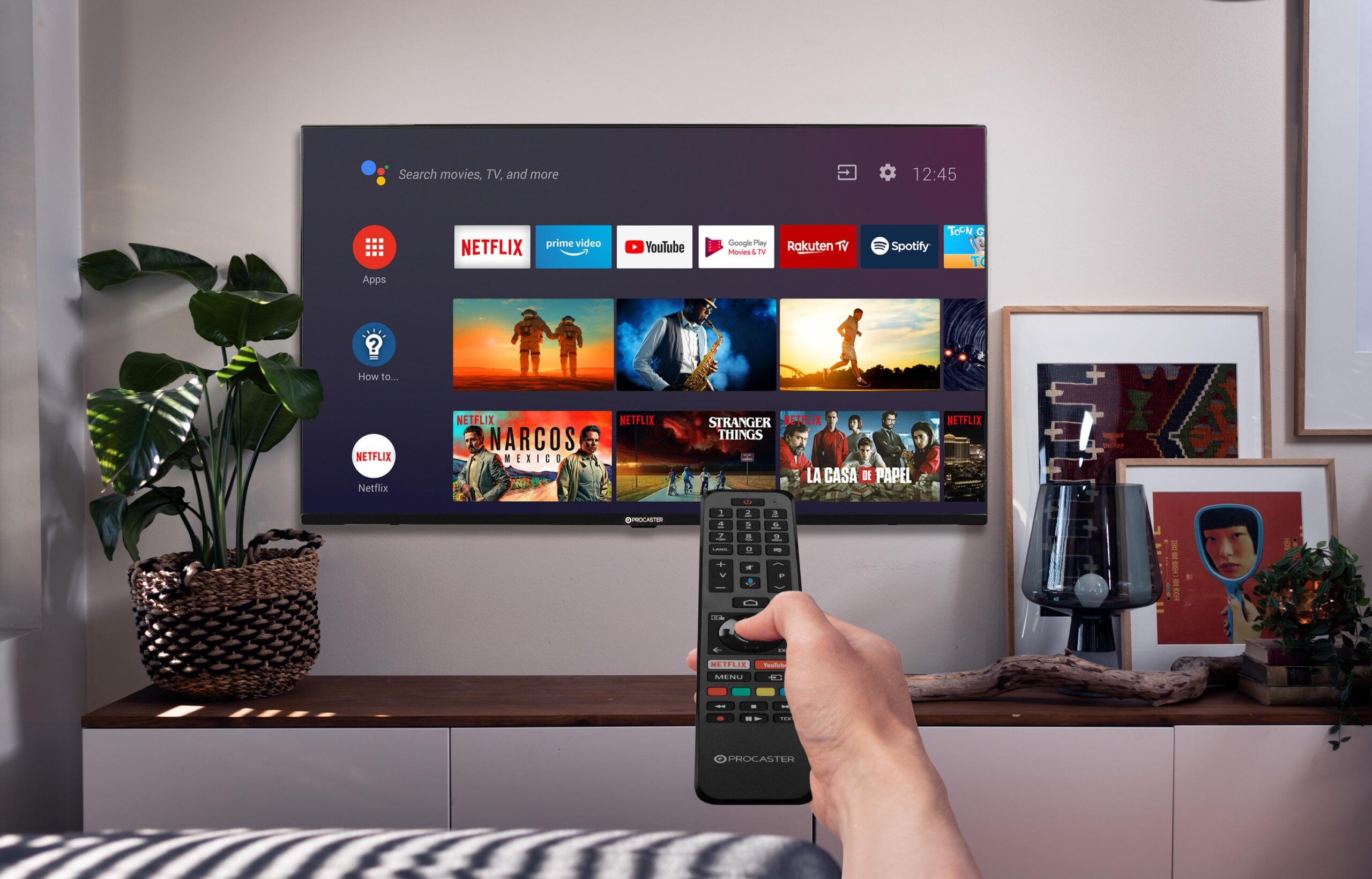
Internet television has become an increasingly popular option for viewers who want more flexibility in the way they watch their favorite programs. In France, many households are exploring different ways to access television, films, documentaries, sports, and entertainment through an internet connection. An IPTV subscription in France can be an option for people who prefer watching content on connected devices rather than relying exclusively on traditional television services.
However, choosing a suitable subscription requires more than comparing prices or looking at the number of available channels. Streaming quality, device compatibility, customer support, internet speed, and content licensing all play an important role. Understanding these factors can help viewers make a more informed decision.
What Is IPTV and How Does It Work?
IPTV stands for Internet Protocol Television. It refers to the delivery of television content through internet networks instead of relying exclusively on traditional terrestrial, cable, or satellite broadcasting.
Depending on the service, viewers may be able to watch live television, access on-demand programs, or use catch-up features that allow them to watch selected content after its original broadcast.
The viewing experience depends on the provider’s infrastructure, the available content, and the quality of the user’s internet connection. Some IPTV services are offered by established television operators, while other services provide access through dedicated applications or compatible devices.
It is important to understand that IPTV is a delivery technology, not a guarantee that every service is authorized to distribute the content it offers. Consumers should check that a provider has the necessary rights to broadcast its channels, films, and other programs.
Why Are Viewers Interested in IPTV Subscriptions in France?
French viewers have different entertainment preferences. Some enjoy national television channels, while others prefer international programming, films, documentaries, or content in different languages. Internet-based television can offer flexibility for people who want to manage their viewing habits across several devices.
Flexible Viewing Options
One of the main advantages of internet television is the possibility of watching content on compatible devices. Depending on the service, users may be able to access programs through a smart TV, streaming box, computer, tablet, or smartphone.
This flexibility can be useful for households where different people prefer different types of entertainment. Instead of watching everything on a single television, viewers can choose a compatible device that suits their needs.
Access to Different Types of Content
A television subscription may include live channels, entertainment programs, films, documentaries, children’s programming, or other categories. The exact selection depends on the provider and the package.
Before choosing an IPTV subscription in France, viewers should examine the channel list carefully. A large advertised catalogue does not necessarily mean that the service includes the particular channels or programs they want to watch.
Availability can also vary according to broadcasting rights, geographic restrictions, and subscription conditions.
A Convenient Viewing Experience
Modern streaming services can offer features such as electronic program guides, searchable catalogues, personalized recommendations, and on-demand playback. These tools can make it easier to discover programs and organize viewing time.
Nevertheless, features differ between providers and applications. It is worth checking which functions are actually included rather than assuming that every subscription offers the same experience.
How to Choose an IPTV Subscription in France
Finding a suitable service starts with identifying personal viewing requirements. The cheapest offer may not be the most practical option, particularly if it has unreliable streams, limited compatibility, or unclear subscription conditions.
1. Check the Legitimacy of the Provider
The first step is to confirm that the service is authorized to distribute the content it advertises. A professional-looking website or a paid subscription does not automatically establish that a provider has the necessary broadcasting rights.
Look for clear company information, transparent terms and conditions, a privacy policy, and details about customer support. Where appropriate, verify the service through official broadcaster information or reliable legal-service directories.
Be cautious of offers promising every premium channel, major sporting event, and newly released film for an unusually low price. If the provider cannot explain its licensing arrangements, it may be better to consider another option.
Choosing an authorized service helps consumers avoid unexpected interruptions and reduces the risk of paying for access to content that the provider is not entitled to distribute.
2. Compare Subscription Prices and Conditions
Price is an important consideration, but it should be assessed alongside the service’s features and contractual terms.
Some subscriptions require monthly payments, while others offer longer packages. Before making a payment, check the total cost, renewal arrangements, cancellation process, and any additional equipment or activation fees.
A short-term plan may be useful when trying an unfamiliar service because it limits the initial financial commitment. Longer subscriptions should be considered only after carefully reviewing the provider’s reputation and conditions.
Consumers should also check whether a free trial is genuinely free, whether payment details are required, and whether the trial automatically converts into a paid subscription.
3. Look for Reliable Streaming Quality
Streaming quality directly affects the viewing experience. Frequent buffering, frozen images, audio interruptions, and unexpected disconnections can make even an extensive television catalogue frustrating to use.
Several factors influence performance, including the provider’s servers, network congestion, the device being used, and the available internet bandwidth.
A reliable service should explain its supported video resolutions and technical requirements. If a trial is available, test the service under normal household conditions before committing to a longer plan.
It is also helpful to check whether the provider offers technical assistance when playback problems occur.
Internet Speed and IPTV Streaming in France
A stable internet connection is essential for smooth streaming. The bandwidth required depends on the video resolution, compression method, network conditions, and number of devices using the connection simultaneously.
Standard-definition video generally requires less bandwidth than HD or 4K streaming. High-resolution content can place greater demands on both the internet connection and the playback device.
Choosing Between Wi-Fi and Ethernet
Wi-Fi is convenient because it allows devices to connect without additional cables. However, its performance may be affected by walls, distance from the router, interference, and congestion from other connected devices.
For a television located near the router, an Ethernet connection can provide a more consistent connection. If running a cable is impractical, moving the router to a more central position or using a suitable mesh Wi-Fi system may improve coverage.
Reducing Buffering Problems
If a stream repeatedly pauses, begin by testing the internet connection. Restarting the router, closing unnecessary applications, and reducing simultaneous downloads may help identify the cause.
Users should also make sure that their streaming application and device software are up to date. If other online activities work normally but one television service continues to buffer, the issue may be related to that service rather than the home network.
In France, consumers can consult official connectivity information from ARCEP to understand the internet technologies available at their address and compare the options offered by local operators.
Which Devices Can You Use for IPTV?
Device compatibility is another important factor when selecting an IPTV subscription. Not every service supports every operating system or television model, so it is best to check compatibility before purchasing.
Smart TVs
Many modern smart televisions support streaming applications directly. This can make installation relatively simple because users may not need an additional device.
However, application availability depends on the television’s operating system, model, and software version. Confirm that the service supports the specific television you own.
Streaming Devices
Compatible streaming boxes and HDMI devices can provide access to television applications on supported screens. They may be particularly useful for older televisions that do not have built-in smart features.
Before buying additional equipment, verify that the required application is available and that the device meets the service’s technical requirements.
Smartphones, Tablets, and Computers
Mobile devices can be convenient for watching programs while travelling or moving around the home. Computers can also provide a straightforward way to access web-based television services.
When using a mobile connection, remember that streaming can consume a substantial amount of data. Users with limited mobile data allowances should review their plan before watching high-resolution video for extended periods.
Common Mistakes to Avoid When Choosing IPTV
Several common mistakes can lead to disappointment after purchasing a subscription.
Choosing only by price: An inexpensive offer may lack reliable technical support, clear conditions, or authorized content.
Ignoring device compatibility: A service may not work with a particular television or operating system. Always check supported devices before subscribing.
Overlooking renewal terms: Automatic renewals and cancellation rules can affect the total amount paid. Read the terms carefully before completing a purchase.
Trusting unrealistic promises: Claims of unlimited premium content at exceptionally low prices should be examined carefully, particularly when the provider does not identify its licensing arrangements.
Ignoring customer support: A provider should offer a clear way to request assistance. Check available contact methods and the information provided about technical problems.
Avoiding these mistakes makes it easier to compare services based on practical value rather than advertising claims.
IPTV Subscription and Legal Considerations in France
French consumers should distinguish between the technology used to deliver television and the legal status of the content being distributed.
IPTV itself is a legitimate technology. However, distributing copyrighted television channels, films, and sporting events without the required authorization can violate intellectual property rules.
A subscription fee does not automatically make a service legal. Likewise, the fact that a service works on a popular television application does not prove that its content distribution is authorized.
Before subscribing, look for information about the company operating the service, the channels included, the contractual terms, and the rights to distribute the content. Official French public-service resources and ARCOM information can help consumers better understand the rules surrounding legal audiovisual offerings.
Taking a few minutes to verify these details can prevent problems later and help support the broadcasters and creators responsible for producing the content.
The Future of Internet Television
Internet connectivity continues to influence how people discover and watch entertainment. Improvements in home broadband, streaming technology, and connected devices are making internet-delivered television an increasingly practical option for many households.
Viewers are also becoming more attentive to convenience, picture quality, application usability, and the ability to watch content on different screens.
At the same time, expectations around reliability and transparency are growing. Consumers want services that explain their prices clearly, provide dependable technical support, and offer content through appropriate licensing arrangements.
For providers, delivering a good experience means investing in stable infrastructure, compatible applications, responsive customer service, and clear communication about subscription features.
Conclusion
Choosing an IPTV subscription in France involves more than finding a package with an extensive channel list. Consumers should consider content availability, streaming reliability, internet speed, device compatibility, pricing, and the provider’s legal authorization.
A careful comparison can help viewers identify a service that suits their entertainment preferences and budget without overlooking important contractual details. Checking the provider’s reputation, testing compatibility, and reviewing cancellation conditions are practical steps before making a commitment.
Ultimately, the most suitable IPTV service is one that combines a reliable viewing experience, transparent terms, appropriate content rights, and features that genuinely meet the household’s needs. By focusing on these essentials, viewers in France can make more informed decisions about internet-based television.







Comment