
How to Turn On a Heater in Your House: A Complete Step-by-Step Home Improvement Guide

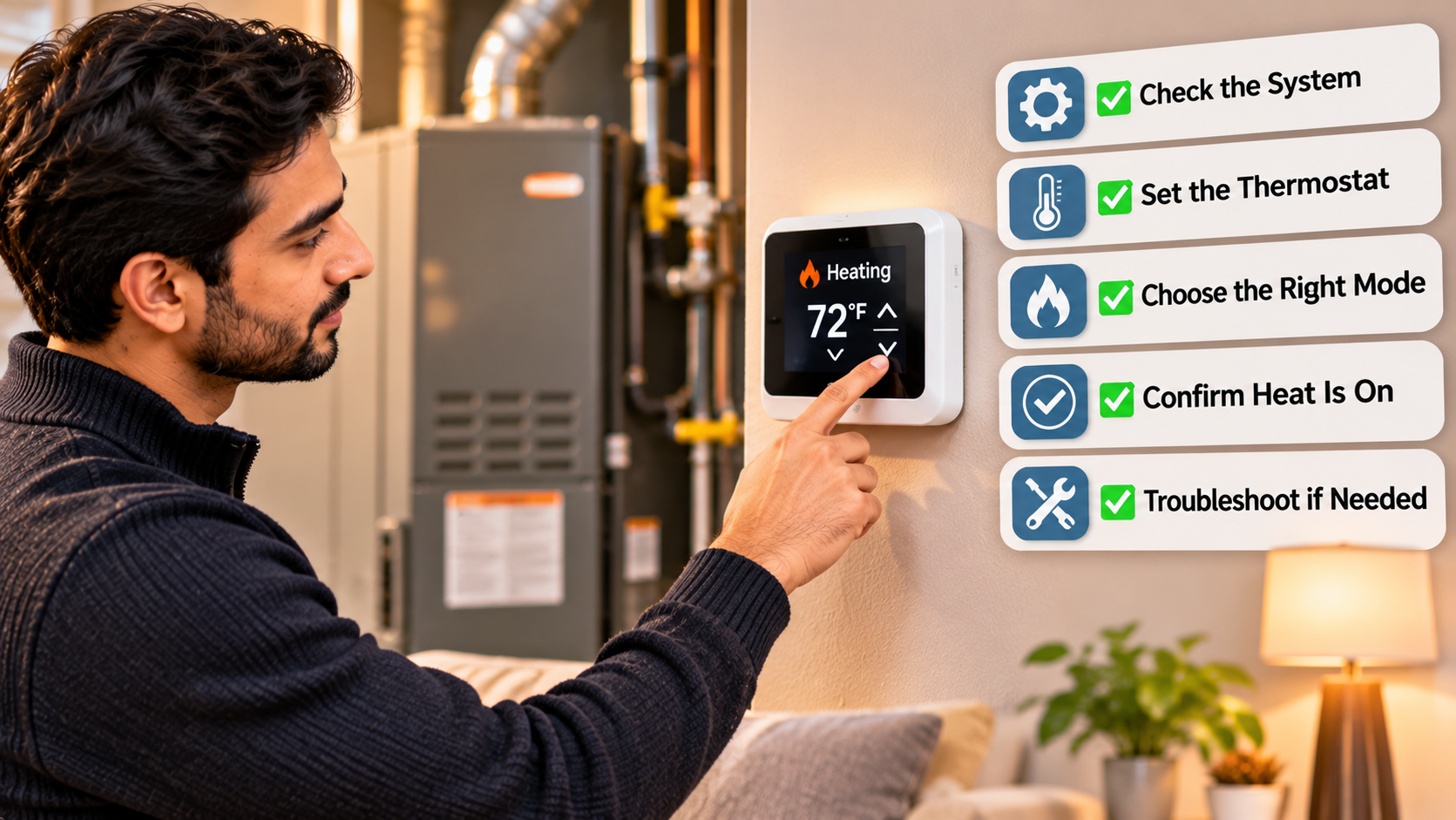
As temperatures drop, keeping your home warm becomes an important part of maintaining a comfortable and healthy living environment. Whether you have recently moved into a new house, installed a heating system, or are preparing for winter, knowing how to operate your heater correctly can make a significant difference. A properly functioning heating system provides consistent warmth, improves indoor comfort, and helps prevent unnecessary energy consumption.
However, turning on a home heater is not always as simple as pressing a button. Different heating systems have different controls, operating requirements, and safety precautions. Understanding how your particular system works can help you avoid common mistakes and identify potential problems before they become expensive repairs.
This guide explains how to turn on a heater in your house, covering different heating systems, thermostat settings, safety checks, and practical home improvement tips.
1. Identify the Type of Heating System in Your House
Before switching on your heater, identify which heating system your property uses. Homes can have several types of heating equipment, and each operates differently.
The most common residential heating systems include:
- Central heating: Uses a furnace or heat pump to distribute warm air through ductwork.
- Electric heaters: Generate heat using electrical resistance and may be portable or permanently installed.
- Gas heaters: Burn natural gas or propane to produce heat.
- Radiator heating: Circulates hot water or steam through radiators installed in different rooms.
- Heat pumps: Transfer heat from outdoor air or the ground into the home.
Finding the correct system makes it easier to follow the manufacturer’s operating instructions and avoid damaging the equipment.
2. Check Your Thermostat Settings
The thermostat controls when your heating system starts and stops. If you have central heating, a heat pump, or a compatible electric heating system, this is usually the first place to begin.
Follow these steps:
- Locate your thermostat, usually installed on an interior wall.
- Check whether the display is working and the batteries are charged, if applicable.
- Change the operating mode from OFF or COOL to HEAT.
- Set your desired temperature above the current room temperature.
- Allow a few minutes for the heating system to respond.
For everyday comfort, many households find a temperature around 68°F (20°C) suitable while occupied, although personal preferences, insulation, climate, and household needs can affect the ideal setting.
If your thermostat has an AUTO setting, check whether it is configured to control heating correctly. Avoid changing advanced settings unless you understand their purpose.
3. How to Turn On Different Types of Home Heaters
Not every heating system has the same startup procedure. Here is how to approach the most common household options.
Turning On a Central Heating System
Central heating systems generally use a furnace or heat pump connected to a thermostat.
To start the system:
- Make sure the thermostat is set to HEAT.
- Select a comfortable temperature.
- Check that the heating system’s power supply is switched on.
- Ensure the air vents are not blocked by furniture or curtains.
- Wait for the system to begin distributing warm air.
Some furnaces have a short startup delay. This is normal, particularly when the system has not been used for several months.
Turning On an Electric Heater
Electric heaters are often straightforward to operate.
For a portable electric heater:
- Place it on a stable, level surface.
- Keep it away from curtains, bedding, furniture, and other combustible materials.
- Plug it directly into a suitable wall outlet.
- Select the required heating setting.
- Adjust the thermostat if the model includes one.
Never use an extension cord or power strip unless the manufacturer specifically permits it. High-powered heaters can overload unsuitable electrical equipment.
Turning On a Gas Heater
Gas heating equipment requires additional care because it involves combustion.
Before operating a gas heater, inspect the surrounding area for visible damage and make sure the ventilation requirements are met.
For modern gas heaters, follow the manufacturer’s startup instructions. Some models use electronic ignition, while older appliances may have a pilot light.
Important: Never attempt to light a gas appliance manually unless its manufacturer specifically provides that procedure and you understand how to follow it safely.
If you smell gas, hear a hissing sound, or suspect a leak, do not operate electrical switches or attempt to ignite the heater. Leave the property and contact your gas supplier or emergency service from a safe location.
Turning On a Radiator Heating System
Radiator systems typically use hot water or steam to warm individual rooms.
To operate a radiator system:
- Check that the main boiler or heating source is operating.
- Make sure radiator valves are open as required.
- Set the room thermostat to your preferred temperature.
- Allow enough time for the radiators to become warm.
If one radiator remains cold while others heat normally, it may have trapped air or a valve problem. Have the system inspected before attempting repairs that involve hot water or pressurized components.
4. How to Turn On Heater in House: Important Safety Checks
Understanding how to turn on heater in house involves more than adjusting the thermostat. Before using your heating equipment, it is important to check that everything is safe and ready for operation.
Start by inspecting the heater for visible damage, unusual smells, loose connections, or signs of overheating. Remove dust and debris from accessible vents according to the manufacturer’s cleaning instructions.
For fuel-burning heating systems, proper ventilation and combustion safety are especially important. Install working carbon monoxide alarms according to local requirements and the manufacturer’s recommendations. Carbon monoxide is an invisible, odorless gas that can cause serious poisoning.
You should also:
- Keep combustible materials away from heating equipment.
- Avoid covering heaters or blocking their air intake and exhaust openings.
- Check that electrical cables and plugs are undamaged.
- Replace or clean furnace filters according to the recommended schedule.
- Never ignore unusual noises, smoke, or burning smells.
If you notice a persistent burning smell, smoke, sparks, or unusual operation, switch off the equipment if it is safe to do so and arrange a professional inspection.
5. Common Reasons Your Home Heater Will Not Turn On
Sometimes a heater fails to start even when you have adjusted the thermostat correctly. Several common issues may explain the problem.
Incorrect thermostat settings: The thermostat may still be set to COOL or OFF. Check the operating mode and temperature.
Power supply problems: A tripped circuit breaker, disconnected switch, or depleted thermostat batteries may prevent the system from operating.
Dirty air filters: Restricted airflow can cause some heating systems to shut down or operate inefficiently.
Blocked vents: Furniture, curtains, and accumulated dust can interfere with air circulation.
Pilot light or ignition problems: Older gas furnaces may experience pilot-light issues, while modern systems may develop electronic ignition faults.
System maintenance issues: Worn components, faulty sensors, and other mechanical problems can prevent normal operation.
Never bypass safety switches or repeatedly reset a heater that continues shutting down. Contact a qualified heating technician to identify the underlying problem.
6. Tips for Improving Heating Efficiency at Home
Turning on your heater is only one part of maintaining a comfortable home. Improving energy efficiency can help reduce heating expenses while making indoor temperatures more consistent.
Consider these practical home improvement strategies:
Improve Home Insulation
Insulation helps prevent warm air from escaping through ceilings, walls, and floors. Inspect areas around windows, doors, and roof spaces for possible heat loss.
Seal Air Leaks
Small gaps around doors, windows, and service openings can allow cold air inside. Weatherstripping and suitable sealants can help reduce unwanted drafts.
Maintain Your Heating Equipment
Regular maintenance helps identify worn components, dirty filters, and airflow problems before they affect performance.
Use a Programmable Thermostat
A programmable or smart thermostat allows you to adjust temperatures according to your daily schedule. This can prevent unnecessary heating when nobody is home.
Keep Heating Vents Clear
Avoid placing large furniture, rugs, or other objects over heating vents. Proper airflow helps distribute warmth throughout the house.
7. When Should You Call a Professional?
Some heating problems require professional attention rather than DIY troubleshooting.
Contact a qualified heating technician if your system repeatedly shuts down, produces unusual noises, fails to distribute heat, or shows signs of electrical or mechanical damage.
Gas-related problems, damaged wiring, combustion issues, and boiler repairs should be handled by appropriately qualified professionals.
Annual servicing, where recommended by the manufacturer, can also help maintain system performance and identify potential safety concerns.
Frequently Asked Questions (FAQs)
1. How do I turn on the heater in my house?
First, identify your heating system. If it uses a thermostat, switch the mode to HEAT and select a temperature above the current room temperature. For portable heaters, follow the manufacturer’s operating instructions and safety precautions.
2. What temperature should I set my home heater to?
Around 68°F (20°C) is a common starting point for occupied homes. However, the ideal temperature depends on personal comfort, outdoor conditions, insulation, and individual household requirements.
3. Why is my heater not turning on?
Common causes include incorrect thermostat settings, dead batteries, electrical supply problems, dirty filters, and equipment faults. If basic checks do not solve the problem, contact a qualified technician.
4. Should I leave my heater running all day?
It depends on the heating system, insulation, climate, and household schedule. Programmable thermostats can help maintain comfortable temperatures without unnecessary heating.
5. Is it safe to turn on a heater after several months?
Usually, provided the equipment is in good condition and has been maintained correctly. Inspect accessible areas, check filters where applicable, and follow the manufacturer’s seasonal startup instructions. Arrange professional servicing if you notice damage or unusual operation.
6. How long does a home heater take to warm a room?
The time varies depending on heater capacity, room size, insulation, outdoor temperature, and the heating system. Portable electric heaters may warm a small room relatively quickly, while central heating systems may take longer to distribute warmth throughout an entire property.
7. Do I need to open windows when using a home heater?
Not necessarily. However, fuel-burning heaters must have the ventilation and combustion air specified by their manufacturer and applicable safety requirements. Never block required vents or use an unvented fuel-burning heater in an enclosed space unless it is specifically approved for that use.
Conclusion
Knowing how to operate your home heating system is an important part of maintaining a comfortable and energy-efficient living environment. Whether you use central heating, an electric heater, a gas furnace, or radiators, the key is to understand your equipment, follow the correct startup procedure, and prioritize safety.
Regular maintenance, proper insulation, thermostat adjustments, and professional inspections can help your heating system perform reliably throughout colder months. By taking these practical steps, homeowners can enjoy a warmer indoor environment while reducing avoidable heating problems and energy waste.
Add a quick-start checklist firstClarify gas heater emergency steps






Comment