
How Digital Technology Is Changing Home Healthcare

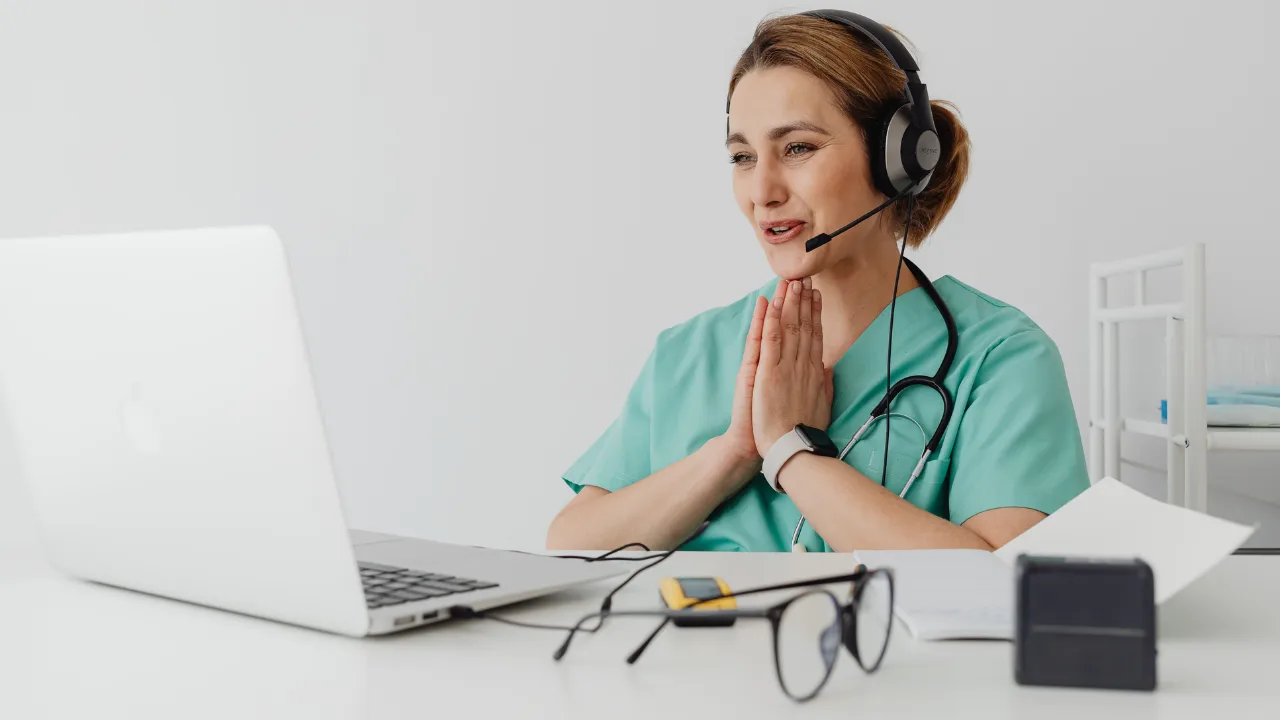
Home healthcare is becoming easier to coordinate, monitor, and personalize as digital tools become part of everyday care. Families researching home health care agencies arlington va may now encounter telehealth visits, electronic health records, remote monitoring devices, caregiver apps, online scheduling, and secure family communication systems. These tools do not replace hands-on support, but they can make care at home more organized and help important information reach the right people sooner.
What Is Digital Technology Changing in Home Healthcare?
Digital technology is improving home healthcare by making communication faster, reducing unnecessary travel, supporting remote health monitoring, simplifying scheduling, and giving care teams better access to information. For older adults, that can mean fewer logistical challenges and a smoother experience receiving support at home.
Some Medical Visits Can Now Happen from the Living Room
Getting to a medical appointment is not always simple for an older adult. There may be stairs to manage, mobility equipment to bring, transportation to arrange, or a family member who needs to take time away from work.
Telehealth can make certain appointments easier by allowing patients to speak with healthcare professionals through video or telephone when an in-person examination is not required. It is not appropriate for every medical concern, but for some follow-up visits and routine conversations, it can remove a major inconvenience.
Health Information Can Travel Faster
In the past, important details could be scattered across paper notes, phone messages, and different medical offices. Electronic records make it easier for authorized healthcare professionals to document care and review relevant information.
This can be especially helpful when an older adult is seeing several providers. Clearer documentation can reduce confusion about recent visits, changes in condition, medications, and ongoing treatment plans. The technology works best when it supports communication rather than adding another complicated system for families to navigate.
Remote Monitoring Can Fill Some of the Gaps Between Visits
A nurse or physician cannot be in someone’s home every day. Certain monitoring devices can help provide information between appointments.
Depending on medical need, these tools may track things such as:
- Blood pressure
- Heart rate
- Blood glucose
- Weight
- Oxygen levels
- Physical activity
Some devices can share readings electronically with a healthcare team. This does not mean every change can be diagnosed remotely. The value comes from giving clinicians more information over time and helping them decide when further assessment may be needed.
Daily Care Is Becoming Easier to Coordinate
Digital tools are also changing how non-medical care is managed. Caregivers may use mobile platforms to review schedules, follow care instructions, document completed tasks, or communicate concerns to supervisors.
For someone receiving personal care at home in Herndon, that could mean the caregiver has clear information about preferred bathing routines, mobility assistance, meal preparation, dressing, or other needs before the visit begins. That kind of preparation can make care feel more consistent without making it less personal.
Families Can Stay Involved Without Being in the Same House
Many adult children help manage care from another city or state. Distance can make even simple questions stressful.
Was today’s visit completed?
Did Dad seem more tired?
Has tomorrow’s appointment changed?
Secure family portals, digital visit notes, and scheduling updates can make it easier for authorized relatives to stay informed. They are not meant to create constant surveillance. Their real value is giving families a clearer picture of what is happening when they cannot be there themselves.
Medication Tools Are Becoming More Practical
Managing several prescriptions can be difficult, particularly when medications are taken at different times. Digital reminders, pharmacy apps, automated dispensers, and smart medication devices may help some older adults keep routines more organized.
Caregivers may also provide reminders when that is part of the care plan. However, technology should never be used to make clinical decisions on its own. Questions about dosage, side effects, missed medication, or drug interactions belong with an appropriate healthcare professional.
Care Teams Can Notice Patterns More Easily
One note saying that a patient seemed tired may not mean much. Several similar observations over two weeks may tell a different story. Digital documentation can make those patterns easier to see. Families comparing home health care agencies arlington va may want to ask how changes are recorded, who reviews them, and how concerns are communicated to families or healthcare professionals. A useful digital system should make important information easier to recognize, not harder to find.
Technology Can Support Safety Without Taking Over the Home
Some families use digital tools to add another layer of reassurance.
Examples may include:
- Fall-detection devices
- Medical alert buttons
- Door sensors
- Motion sensors
- Smart lighting
- Wearable devices
- Emergency response systems
These tools can be helpful, but they have limits. A sensor may detect movement, but it cannot physically help someone stand up. An alert device may call for assistance, but it cannot provide hands-on personal care. Technology works best alongside appropriate human support.
The Best Tools Are the Ones Seniors Can Actually Use
A system is not helpful simply because it is advanced. Some older adults are comfortable with smartphones and video calls. Others find passwords, portals, and small screens frustrating.
Good technology should fit the person. That may mean larger text, simpler controls, automatic reminders, or help from a family member or caregiver. Sometimes a phone call is still the easiest option. Accessibility should always come before novelty.
Privacy Still Needs to Be Part of the Conversation
More digital care means more personal information being stored electronically. Families should know how health records, care notes, monitoring devices, and communication platforms are being used.
It is reasonable to ask:
- Who can access the information?
- How is it protected?
- What devices are being used in the home?
- Does the older adult understand their purpose?
Convenience should never come at the expense of dignity or informed choice.
Digital Care Should Still Feel Human
Technology can make home healthcare more efficient, but efficiency is not the same as good care. An app cannot reassure someone who is nervous about bathing. A monitoring device cannot notice the expression on a person’s face and ask whether something is wrong. A digital schedule cannot replace the trust built between a caregiver and an older adult over time.
For someone receiving personal care at home in Herndon, technology should work quietly behind the scenes while the caregiver focuses on the person. That is where digital tools have the most value: improving communication, organization, and access without making care feel impersonal.
The Future of Home Healthcare Is More Connected
Digital technology is changing home healthcare in practical ways. It can reduce unnecessary travel, improve coordination, help families stay informed, and give care teams better access to useful information.
But the most successful systems will be the ones that make care easier without making it colder. Technology should support the people providing care, not compete with them. When that balance is right, older adults can benefit from better communication and greater convenience while still receiving the personal attention that makes care at home meaningful.
Read More From Techbullion
Previously in Business news: What Magi 2 Costs Per Clip: A Budget Guide for Startup Marketing Teams





Comment