
A Protective Coating Is an Investment: How Professional Industrial Painters Deliver Long-Term Value

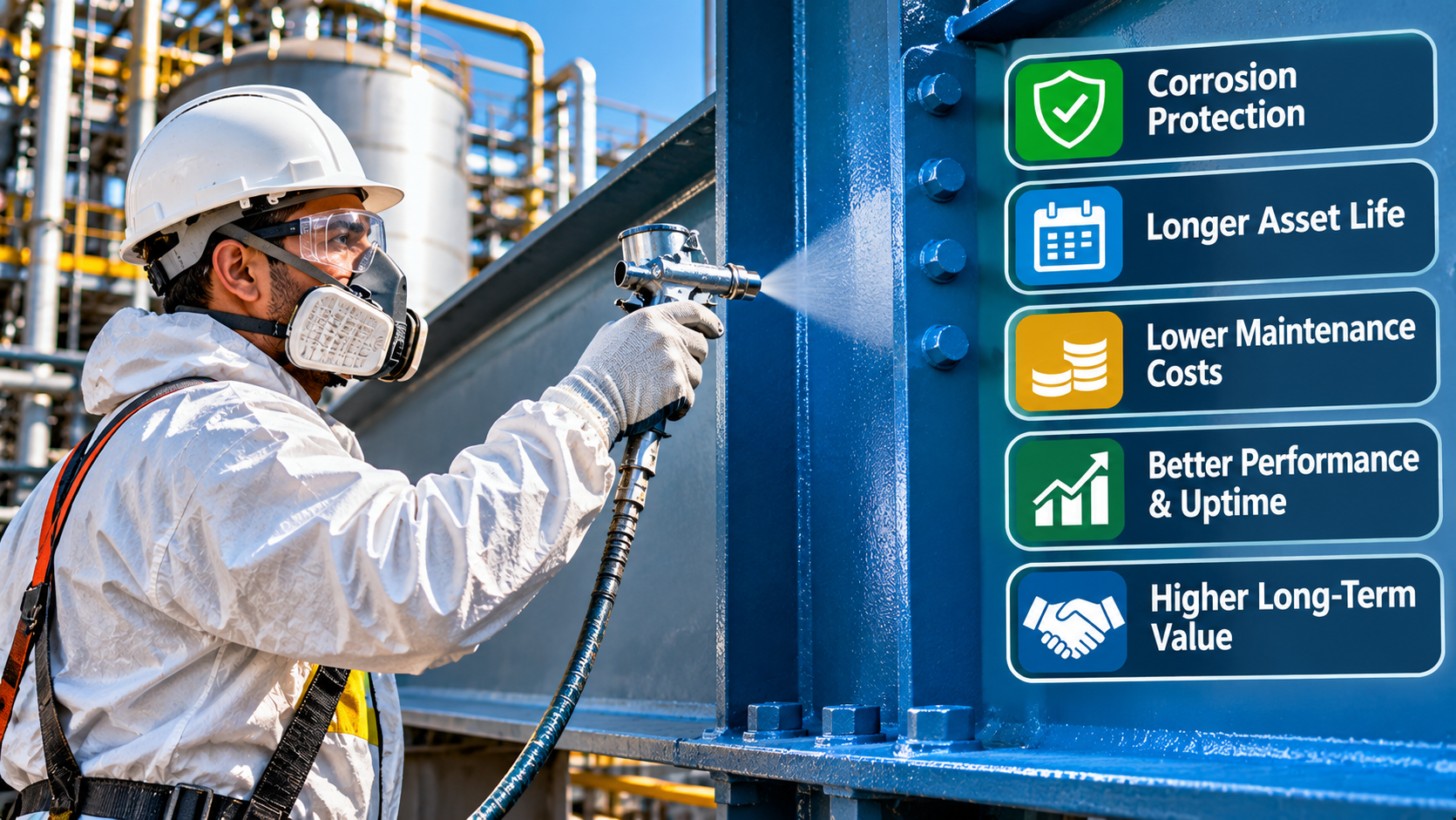
A steel staircase can look perfectly serviceable until rust appears around a joint. A factory floor may seem fine until its coating starts lifting where equipment travels every day. These problems often begin long before anyone notices them, which is why businesses considering industrial painting work by SAPS have good reason to look beyond the color of the finished surface. Industrial painting protects expensive assets in places where moisture, chemicals, abrasion, and demanding schedules are everyday realities.
A well-planned project can help equipment and structures remain useful for longer. Getting there takes careful decisions about materials, preparation, working conditions, and maintenance, not simply a crew with brushes and rollers.
The Lowest Quote Rarely Tells the Whole Story
Two contractors can quote very different prices for what appears to be the same job. One proposal may include detailed preparation, specified primers, inspection records, and a realistic curing schedule. Another may describe little beyond the number of square metres to be painted. Those differences deserve closer attention before a budget is approved.
Ask what the price covers, how unforeseen repairs will be handled, and which coating system is being proposed. The initial figure matters, particularly when an entire facility needs attention. So does the likely cost of closing the area again if a poorly applied coating fails early. A cheaper installation can become expensive when production has to stop for another round of repairs. A useful comparison includes expected maintenance, access costs, warranty terms, and whether the quoted price covers a complete protective system.
The Surface Has to Be Ready for Protection
Protective coatings depend on the condition of the material underneath. Old paint, grease, rust, salts, and loose contaminants can interfere with adhesion. Covering them with fresh paint may leave the surface looking tidy for a short time while the underlying problem continues.
Professional painters assess the substrate and select suitable cleaning and preparation methods. Depending on the job, that could involve degreasing, mechanical preparation, or abrasive blasting carried out with appropriate controls. They also check whether previous coatings are compatible with the proposed system.
Preparation is rarely the glamorous part of a project, but it is often where the durability of the finish is decided. On older facilities, identifying existing coatings and possible hazardous residues before disturbing them also helps the team choose safer methods.
Different Workplaces Demand Different Coatings
A storage tank, warehouse wall, and structural steel beam do not face identical conditions. One may experience frequent washing, another chemical splashes, and another prolonged exposure to weather. Choosing a coating solely because it performed well somewhere else can lead to disappointing results.
An experienced contractor works from the actual service environment, relevant design requirements, and product specifications. The selected system may include a primer, intermediate layer, and topcoat, with each performing a particular function.
Thickness, resistance to chemicals, and compatibility with the surface all matter. The useful question is what the coating must withstand over its expected life, not which product has the most impressive name on the tin. Matching the specification to the job can prevent needless spending on features the site will never use.
Application Conditions Deserve Their Own Plan
Even suitable materials can perform poorly when applied under the wrong conditions. Temperature, humidity, surface moisture, and the interval between coats can influence adhesion and curing. A freshly prepared steel surface may also need prompt protection to avoid renewed contamination or corrosion.
Professional teams check conditions against the coating manufacturer’s instructions and adjust the schedule accordingly. They monitor mixing ratios and application thickness where required, rather than assuming that a surface looks right because its color is even.
These checks may appear small during a busy installation, yet they help prevent blistering, peeling, and premature deterioration after the area returns to use.
Downtime Is a Cost Worth Calculating
For a working industrial facility, repainting a critical area can mean moving stock, restricting access, or temporarily stopping equipment. The interruption may cost more than the coating materials themselves. That makes project coordination an important part of choosing a contractor.
A practical plan identifies safe working zones, access requirements, other trades, and the time needed before the coating can handle normal service. Some projects can be completed in stages to keep operations moving. Others require a planned shutdown.
Honest scheduling helps managers organize deliveries, staffing, and production without guessing when an area will reopen. Rushing curing to save a day can create a much larger problem later.
Safety and Quality Records Matter After the Crew Leaves
Industrial painting can involve elevated work, hazardous dust, solvents, or confined areas. Experienced professionals assess the hazards, select suitable controls, and coordinate with site safety procedures. Requirements will vary with the substrate, coatings, location, and applicable regulations.
Documentation also provides a useful record of what was done. Depending on the project, that may include preparation checks, product details, coating thickness measurements, and inspection results.
A business can refer to those records when planning maintenance or investigating an unexpected defect. Clear reporting gives facility managers more than a finished photograph; it provides information they can use throughout the coating’s service life. It also makes discussions with future maintenance contractors more straightforward.
Maintenance Begins Before the Finish Looks Tired
No protective coating lasts indefinitely. Forklift contact, cleaning chemicals, sunlight, and moisture can gradually wear down even an appropriately selected system. Regular inspections help identify chips, worn edges, or small areas of corrosion while repairs are still manageable.
A contractor should explain what to look for, how the surface can be cleaned, and when a specialist should assess damage. The advice should fit the actual environment rather than rely on a universal repainting interval.
Timely local repairs may extend the useful life of the system, while ignoring small defects can allow deterioration to spread beneath the coating. Preventive maintenance is generally easier to plan than an emergency shutdown.
Choose a Finish That Serves the Business for Years
Good industrial painting combines technical judgement with straightforward communication. The contractor should explain the preparation, proposed materials, working conditions, inspection process, and what the facility can expect once the project is complete. References from comparable sites can help confirm that experience.
A durable finish protects more than appearances. It supports asset management, reduces avoidable interruptions, and gives maintenance teams a clearer basis for future decisions.
When the work is planned around real operating conditions and followed by sensible upkeep, the value of professional painting becomes visible in the years between major repairs.







Comment