
The Importance Of Proper Subfloor Preparation For Successful Flooring Installation

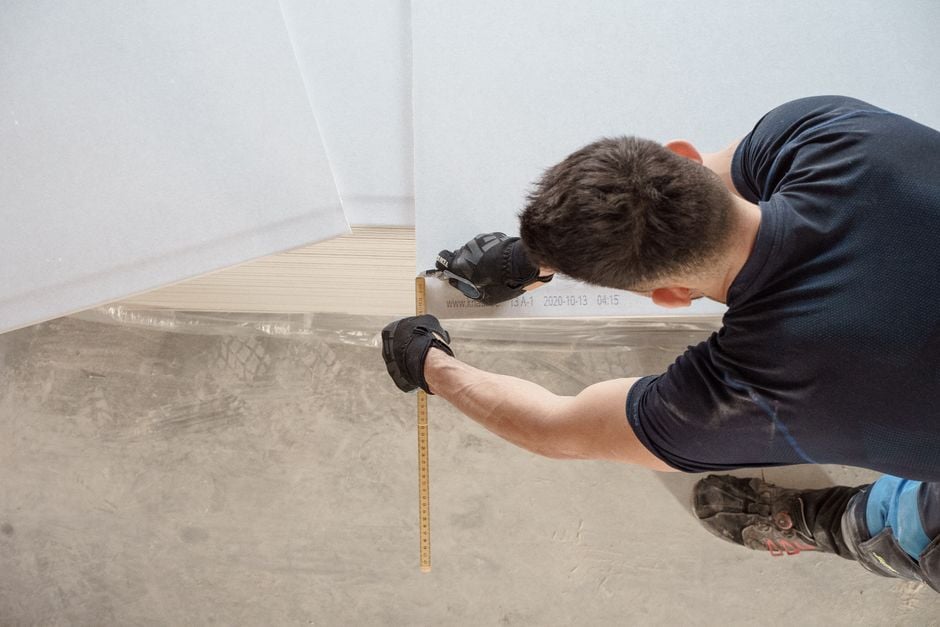
Although a gorgeous floor may drastically alter a room’s look, its long-term functionality hinges on something that most homeowners are unaware of. Every kind of floor wood, laminate, vinyl, or hybrid has a subfloor that serves as the installation’s base. When put over an uneven, wet, or improperly prepared surface, even the best flooring materials may cause issues. In order to achieve a smooth finish, avoid further damage, and guarantee that the flooring is dependable and pleasant for many years, proper subfloor preparation is crucial.
Recognising The Significance Of Subfloor Preparation
The structural surface underneath the completed flooring material is known as the subfloor. Concrete, plywood, wood, or another appropriate material could be used, depending on the site. The performance of the newly installed flooring is directly impacted by its condition.
Expert flooring installers know that choosing the correct flooring product is only as crucial as having a solid base. Gaps between boards, movement underfoot, and uneven surfaces are examples of minor subfloor flaws that might ultimately lead to obvious issues. In addition to improving the circumstances for a successful installation, good foundation preparation helps lower these hazards.
Recognising Uneven Surfaces Prior To Installation
Dealing with an uneven subfloor is one of the most frequent problems in flooring installations. Surfaces with dips, elevated areas, or uneven transitions between rooms may be seen in older houses, especially those that have undergone many restorations.
The look and stability of the new flooring may be impacted if it is installed directly over these flaws. When the supporting surface does not adhere to the manufacturer’s specifications, certain flooring types may bend or develop damaged joints.
Contractors should thoroughly examine the surface before starting installation to see if levelling or repairs are required. While wood subfloors may need damaged parts fixed or replaced, concrete floors may need appropriate levelling treatments. Early resolution of these issues contributes to a completed floor with a uniform surface.
Controlling Moisture To Avoid Flooring Damage
Another crucial factor that homeowners sometimes forget to take into account is moisture. Excess moisture under flooring may cause certain materials to bloat, deform, develop mould, and deteriorate. Prevention is especially crucial since some issues may not show up right away.
Particularly in more recent construction or locations that are subjected to dampness, concrete subfloors may hold onto moisture. Inadequate ventilation or water intrusion may also cause moisture-related problems for timber subfloors.
Before beginning installation, skilled flooring installers evaluate the moisture conditions. Preparation may include moisture testing, enhancing ventilation, dealing with water intrusion, or putting in a suitable moisture barrier, depending on the flooring system and site circumstances. These steps lessen the chance of costly repairs and save the flooring investment.
Eliminating Surface Contamination And Outdated Materials
It takes more than just making sure the subfloor looks level to ensure a good installation. The new installation may be hampered by existing adhesive residue, dust, loose debris, broken underlay, and remaining flooring materials.
For instance, loose particles under floating floors may result in uneven contact points, and adhesive residue may hinder the proper bonding of certain flooring systems. These barriers may be removed with thorough cleaning and surface preparation.
Removing existing materials from older houses also offers a chance to find concealed harm. Before being removed, any suspected hazardous items should be evaluated by trained experts. By taking the time to properly prepare the surface, unforeseen installation issues may be avoided.
Enhancing Daily Comfort And Flooring Stability
A room’s overall comfort is influenced by the subfloor’s preparation. A solid surface lessens undesired movement that might happen when boards don’t have enough support and makes flooring feel safer underfoot.
This is particularly crucial in busy homes where floors are often used for daily activities, furniture movement, and foot traffic. Even when durable flooring materials are chosen, poor preparation might result in creaking, shifting, or early deterioration.
Additionally, a well-prepared subfloor facilitates uniform flooring transitions between adjacent rooms, enhancing the property’s overall look and functionality.
Conclusion
Installing flooring successfully starts underneath the surface. Important actions that affect the final product include monitoring subfloor levels, managing moisture, fixing damaged sections, and eliminating contaminants. These preparations may avoid expensive issues and enhance flooring performance, even if they can lengthen a remodelling process. Homeowners who give careful subfloor preparation first priority will benefit from aesthetically pleasing, sturdy, and long-lasting floors that hold up well under regular usage.







Comment