Have you ever walked past a shop window and stopped dead in your tracks because something on the glass looked almost like magic?
That moment of double-take is exactly what transparent visual technology is built to create. It is not a gimmick or a concept from a science fiction film.
It is a real, fast-growing category of display technology that retailers around the world are installing right now to attract more customers, tell better stories, and make their storefronts impossible to walk past without looking twice.
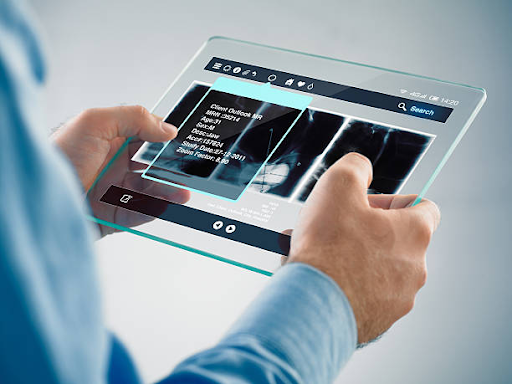
Transparent LED displays let light pass through them while simultaneously showing vivid, high-resolution content. The result is a window, a glass partition, or a glass shelf that looks completely normal from one angle, and turns into a glowing, animated advertisement from another.
What Transparent LED Technology Actually Is
Before understanding why this technology matters for retail, it helps to understand how it works and what makes it fundamentally different from anything that came before. This is not just a thinner or brighter version of an ordinary screen. It is a genuinely new way of using a surface to communicate.
Transparent LED panels are constructed using tiny light-emitting diodes mounted on a transparent substrate. The gaps between those diodes allow light to pass through, which is what creates the see-through effect while still displaying vibrant content.
How It Works in Simple Terms
Think of it like a window with a pattern of tiny glowing dots. Those dots are so small and so precisely placed that your eye can look through the spaces between them and still see what is behind the glass.
The LED chips used in these displays are small enough that they do not obstruct your view in any meaningful way.
Why It Looks So Different from Any Other Display
Every other advertising display creates a barrier. Here is how transparent LED compares to the alternatives:
| Display Type | Visible from Outside? | Blocks Interior View? | Works in Daylight? |
| Printed poster | Yes | Yes | Yes |
| Traditional LCD screen | Partially | Yes | Poor |
| Indoor LED panel | Rarely | Yes | Poor |
| Transparent LED panel | Yes | No | Yes |
The Real Business Case for Retail Advertising
Retailers invest in advertising technology for one reason: results. And the results coming out of transparent display installations are giving the industry a lot to pay attention to. The shift toward this technology is not driven by aesthetics alone. It is backed by measurable improvements in the metrics that matter most to retail businesses.
A well-placed transparent led screen on a storefront window turns a passive glass surface into an active advertising channel, one that works 24 hours a day without requiring any additional floor space or changes to the store layout.
Foot Traffic and the Storefront Effect
Foot traffic is the lifeblood of physical retail. Everything else, from store layout to product placement, depends on getting people through the door in the first place. This is where transparent display technology shows its most direct impact.
Key performance figures from retail installations show:
- 25% to 40% increase in foot traffic for retailers using transparent LED window displays
- 80% of shoppers step inside a store after seeing compelling digital signage on the window
- 32% average sales increase reported by retailers using digital signage
- 55% higher ad recall rate from digital displays compared to static printed signage
When those digital displays are transparent and installed in windows, the effect is amplified because the content is visible from the street to pedestrians who were not already planning to enter.
What the Numbers Say
The transparent display market tells a clear story about where the industry is heading:
- Market value in 2023: approximately $1.8 billion
- Projected market value by 2033: over $23 billion
- Compound annual growth rate: 29%
- Sales volume growth from Q1 2024 to Q1 2025: 108%
For retailers, this market growth matters because it signals increased investment in the technology, which in turn drives down costs and pushes up quality over time. Businesses investing now are getting in at a point where the technology has already proven itself, but pricing is still becoming more accessible.
Creative Ways Retailers Are Using This Technology
The practical applications of transparent display technology in retail go far beyond simply putting a screen on a window. Retailers with creative teams are finding new and inventive ways to use these displays to build brand stories, showcase products, and create experiences that customers remember long after they have left the store.
Window Displays That Turn Heads
The most common application is the storefront window, and for good reason. A shop window is prime real estate. Every person who walks past that window is a potential customer, and transparent LED technology turns that glass into a full-time advertising canvas.
Retailers are using window installations to run:
- Product launches with animated visuals layered over the physical items in the window
- Seasonal promotions that can be updated remotely without printing or installation costs
- Brand video content that plays on loop throughout opening hours and beyond
- Live social media feeds that bring real-time customer activity into the storefront display
Because the display allows visibility into the store interior at the same time, shoppers get the digital impact of an advertisement alongside the physical cue of seeing the actual products and store environment behind it.
This dual effect is important. It attracts attention with the visual content while keeping the store accessible and inviting to look into. There is no barrier, no dark screen blocking the view, just a layer of dynamic content floating on the glass.
In-Store Installations and Product Showcasing
Inside the store, transparent displays are being used to create product showcases that feel immersive and modern. A glass shelf with a transparent LED panel installed can show product information, brand messaging, or animated content while the physical product itself sits visible behind or below the screen.
- Automotive showrooms display specifications, colour options, and feature highlights over a vehicle that customers can walk around and inspect at the same time
- Jewellery retailers layer product close-ups and brand content over the display cases where the actual items are sitting
- Technology retailers overlay feature comparisons and usage demonstrations directly above the products on the shelf
The technology makes the product the centrepiece of the experience rather than competing with it.
Where This Technology Is Making Its Mark Beyond Retail
The appeal of transparent LED technology extends well beyond traditional retail shops. Once businesses in other sectors saw what the technology could do for retail storefronts, adoption spread quickly into any environment where visual impact and transparency needed to coexist.
A high-quality transparent led display works in any space where glass is already a structural or architectural feature. That opens up applications across industries that have quite different needs from retail but benefit just as strongly from the combination of transparency and visual content.
Corporate Spaces and Public Environments
Transparent displays are finding a strong foothold in three key non-retail environments:
- Corporate offices – Glass partitions, reception areas, and conference room dividers carry branding and messaging without sacrificing the open, airy feel of a modern workspace
- Transportation hubs – Airports and train stations use them for wayfinding, advertising, and live information updates fitted into glass facades and barriers
- Museums and cultural institutions – Contextual information and multimedia content overlay physical exhibits without putting opaque screens in front of artefacts, so visitors can read about what they are looking at while still seeing it clearly
Events and Exhibition Spaces
Trade shows and exhibitions are another natural fit. Event organizers can use transparent LED panels to create dramatic stage backdrops and presentation screens that allow performers or speakers to be seen clearly while the screen displays supporting content around them.
Transparent LED displays can be shaped and scaled to fit almost any architectural form, which gives event and exhibition producers a level of creative freedom that solid screens simply do not offer.
Why This Is a Smart Long-Term Investment for Retailers
Investing in new display technology always raises questions about cost and longevity. The good news is that transparent LED technology holds up well on both fronts, and the business case strengthens when you look at the full picture rather than just the upfront price.
Energy Efficiency and Operating Costs
Transparent LED panels use significantly less energy than traditional display systems. By leveraging available daylight passing through the glass surface, they reduce the need for heavy backlighting. Key operational benefits include:
- Up to 30% less energy consumption compared to conventional displays
- Modular construction with front-accessible components for easier, lower-cost servicing
- No printing or production costs for content updates, which can be made remotely and instantly
- Long operational lifespan that reduces replacement frequency compared to older display types
For a retailer running displays across multiple windows for 12 or more hours a day, those savings add up to a meaningful reduction in operating costs over the course of a year.
A Market Heading in One Direction
The growth trajectory of transparent LED technology points clearly toward mainstream adoption in retail advertising. Sales volume is doubling year on year, manufacturing investment is increasing, and the technology itself continues to improve in terms of resolution, brightness, and transparency rates.
Retailers who build transparent display infrastructure into their spaces now are positioning themselves with advertising channels that will remain relevant and technically capable for years to come.
Conclusion
Transparent visual technology has moved firmly from concept to commercial reality, and retail advertising is better for it. The ability to turn a glass surface into an active, vivid advertising canvas while keeping the store interior fully visible solves a problem that has challenged physical retailers for decades.
Clearer storefronts, higher foot traffic, stronger ad recall, and lower energy consumption all point in the same direction. This technology is not a passing trend. It is becoming one of the core tools of modern retail communication, and the businesses adopting it now are building an advantage that compounds with every passing year.