Have you ever set up a movie night in your backyard and spent half the evening squinting at a screen that was too dim, or worse, scrambling to bring everything inside because the weather turned?
That frustration is exactly what has pushed so many homeowners and business owners to invest in outdoor media systems built to actually handle the outdoors.
Not a regular indoor TV dragged outside, not a projector balanced on a folding table, but purpose-built equipment made to live outside, perform in full sunlight, and keep running through rain, dust, and temperature swings.
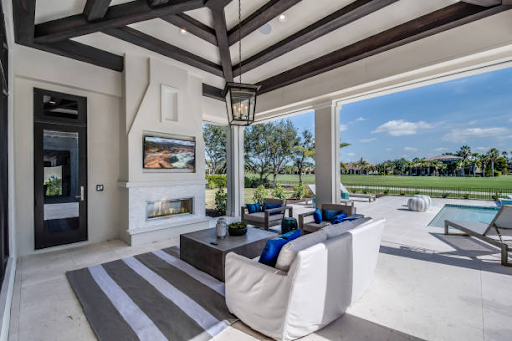
The way people use outdoor spaces has changed dramatically. Patios, decks, and backyard areas are no longer just for sitting outside. They have become full extensions of the home, and commercial venues have taken the same idea even further.
Why Outdoor Entertainment Has Become a Serious Priority
This is not a trend driven by luxury spending alone. There is a real, data-backed appetite for outdoor entertainment technology that is growing across both residential and commercial sectors.
The outdoor TV market reached approximately $532 million in 2024 and is projected to grow to over $1.26 billion by 2033, at a compound annual growth rate of 10.2%. Residential use accounts for 62% of global demand, while commercial installations in hospitality, sports, and retail make up the remaining 38%.
The Outdoor Living Shift
In 2023, 63.7% of newly built single-family homes in the United States included a patio, marking eight consecutive years of record growth. Homeowners are viewing outdoor spaces as direct extensions of indoor living, and that means they expect the same level of comfort and entertainment capability outside as they have inside.
Nearly 41% of buyers now consider outdoor TVs essential for social gatherings and events. That shift in mindset from “nice to have” to “expected feature” is exactly what is driving the growth of the entire outdoor media category.
Technology Has Finally Caught Up with the Demand
For years, the gap between what people wanted to do outdoors and what the technology could actually support held things back. Screens were not bright enough, cooling systems were insufficient, and weather protection was either non-existent or impractical.
That gap has closed. Modern outdoor media systems now feature:
- High-brightness panels reaching 1,000 to 5,000 nits for clear visibility in direct sunlight
- IP65 and IP66 weatherproof ratings protect against dust, rain, and humidity
- Wide temperature tolerance, typically from -20°C to +50°C, for year-round operation
- Anti-glare coatings that reduce reflection without compromising picture quality
- AI image processing that adapts clarity and colour based on ambient light conditions
In 2024, weatherproof systems rated at IP66 accounted for 44% of all global outdoor television installations, and 76% of newly launched outdoor TV products included smart connectivity features.
What Makes Outdoor Media Systems Actually Work
There is a big difference between a screen that can technically survive outside and one that performs reliably over years of outdoor use. The best outdoor media systems are built around a combination of smart engineering choices that address the actual conditions they will face every day.
Weather Resistance and the IP Rating System
IP ratings, short for Ingress Protection, are the clearest indicator of how well an outdoor device handles moisture and dust. The two numbers in an IP rating each tell you something different:
| IP Rating | Dust Protection | Water Protection |
| IP54 | Dust-resistant | Splash-resistant from all directions |
| IP55 | Dust-resistant | Low-pressure jets from any direction |
| IP65 | Fully dust-tight | Low-pressure water jets |
| IP66 | Fully dust-tight | High-pressure water jets |
| IP67 | Fully dust-tight | Temporary submersion up to 1 metre |
Brightness, Anti-Glare, and Daytime Viewing
Brightness is arguably the most important spec for any outdoor display. A standard indoor TV operates at around 250 to 400 nits. Step outside on a sunny afternoon, and that screen becomes nearly invisible.
Outdoor media systems built for residential use typically start at 1,000 nits, while commercial-grade systems used in open venues often reach 3,000 to 5,000 nits.
Anti-glare technology works alongside brightness to make images readable from wider angles and across more surface materials, which matters especially on poolside decks or outdoor terraces with mixed seating arrangements.
Protecting Your Equipment: Enclosures and Cabinets
Not every outdoor entertainment setup requires a purpose-built outdoor TV from the factory floor. A well-built enclosure can bring the same level of weather protection and operational reliability to existing equipment, often at a significantly lower total cost while still delivering long-term durability.
The enclosure market has matured considerably. Products are now available for a wide range of equipment types, sizes, and installation environments, from compact residential setups to large-scale commercial deployments.
Keeping Projectors Safe in Open-Air Settings
Projection setups have a particular appeal for outdoor use. A projector paired with a quality outdoor screen can produce a cinema-scale image that no flat-panel TV can match for sheer size and visual impact.
The challenge has always been protecting the projector itself. A standard home projector is not built for humidity, temperature swings, insects, or rain. That is exactly the problem a purpose-built outdoor projector enclosure solves.
These enclosures typically combine:
- Sealed housing that blocks moisture, dust, and insects from reaching the projector
- Thermostat-controlled cooling fans that maintain safe internal temperatures across wide ambient ranges
- Anti-UV coatings on the outer shell to prevent sun damage over the years of exposure
- Locking mechanisms for security against theft or tampering
- Projection windows made from durable acrylic that do not compromise image quality
With a properly rated enclosure, a standard home projector can be permanently mounted outside on a ceiling, pergola, or wall bracket, removing the need to carry it out and bring it back in every single use.
Flat-Screen Installations and Cabinet Protection
For spaces where a flat screen is the preferred choice, a permanent outdoor installation calls for either a dedicated outdoor TV or a protective cabinet housing a standard display. Both approaches have their merits depending on budget, screen size, and the specific conditions of the installation site.
A quality outdoor TV cabinet provides protection that matches what purpose-built outdoor TVs offer from the factory, including sealed fronts, corrosion-resistant frames, and ventilation systems that manage internal temperature during extended operation.
How Commercial Venues Are Using Outdoor Media
Commercial venues were among the first to push the boundaries of what outdoor media technology could do. Restaurants, bars, sports venues, and hotels have a direct financial incentive to get this right, and the technology they have adopted has trickled down into residential applications as a result.
The commercial outdoor entertainment sector is now a major driver of product innovation, pushing manufacturers to develop systems that handle continuous operation, large audiences, and demanding environments without maintenance interruptions.
Bars, Restaurants, and Hospitality Venues
Outdoor seating is some of the most competitive real estate in the hospitality industry. A bar or restaurant with a well-equipped outdoor area can attract more customers, hold them longer, and charge more for the experience. Outdoor screens showing live sports, events, or curated entertainment content are a central part of that offering.
Hospitality venues typically require displays that can:
- Operate for 16 or more hours daily without overheating
- Remain visible in daylight for lunch and early dinner service
- Connect to central content management systems for easy programming
- Handle high-humidity environments near kitchens, pools, or waterfront locations
Commercial outdoor TV systems installed in these settings are rated to higher standards than residential products, with extended product lifecycles and manufacturer support commitments that match the longer operating schedules of commercial use.
Sports Venues and Large-Format Event Spaces
Sports arenas and event venues represent the large-format end of outdoor media deployment. Giant LED displays and high-brightness outdoor screens at these venues need to perform reliably in front of thousands of people, in weather conditions that range from summer heat to autumn rain.
Sports venues currently contribute 21% of commercial outdoor display demand globally, and that figure is growing as stadium operators invest in upgrading viewing experiences for fans both inside and outside their facilities.
Choosing the Right Outdoor Media Setup for Your Needs
With so many options available across both residential and commercial categories, the choice comes down to a handful of practical considerations. The right answer for a backyard patio is different from the right answer for a rooftop bar or a poolside resort lounge.
Key Factors Worth Evaluating
Before making any investment in outdoor media equipment, it is worth working through these questions:
- What is the primary viewing environment? Covered patio setups face different conditions than fully exposed poolside areas
- What are the ambient light levels? Bright midday sun requires significantly higher brightness specs than a shaded evening terrace
- How many hours per day will the system run? Residential weekend use calls for different durability specs than commercial all-day operation
- What IP rating does the environment require? High-humidity or poolside locations need higher-rated protection than a covered porch
- Is portability needed, or is a permanent installation the goal? Permanent mounts allow for better weatherproofing and cleaner cable management
The Long-Term Value of Getting It Right
The case for investing in quality outdoor media equipment is straightforward when you look at the numbers over time. Outdoor kitchens and well-equipped outdoor entertainment areas add 1.5 to 3 times their cost back to property resale value. A well-installed outdoor media system contributes directly to that return.
Conclusion
Outdoor spaces have transformed from passive areas for sitting outside into fully functional entertainment and hospitality destinations. The technology supporting that transformation has matured rapidly, and the result is a category of durable outdoor media systems that perform reliably, look excellent, and last for years in conditions that would have made the same setup impossible just a decade ago.
From compact patio setups at home to large-format commercial installations at sports venues and resort pools, the investment in quality outdoor media is paying off in enjoyment, revenue, and long-term property value in equal measure.