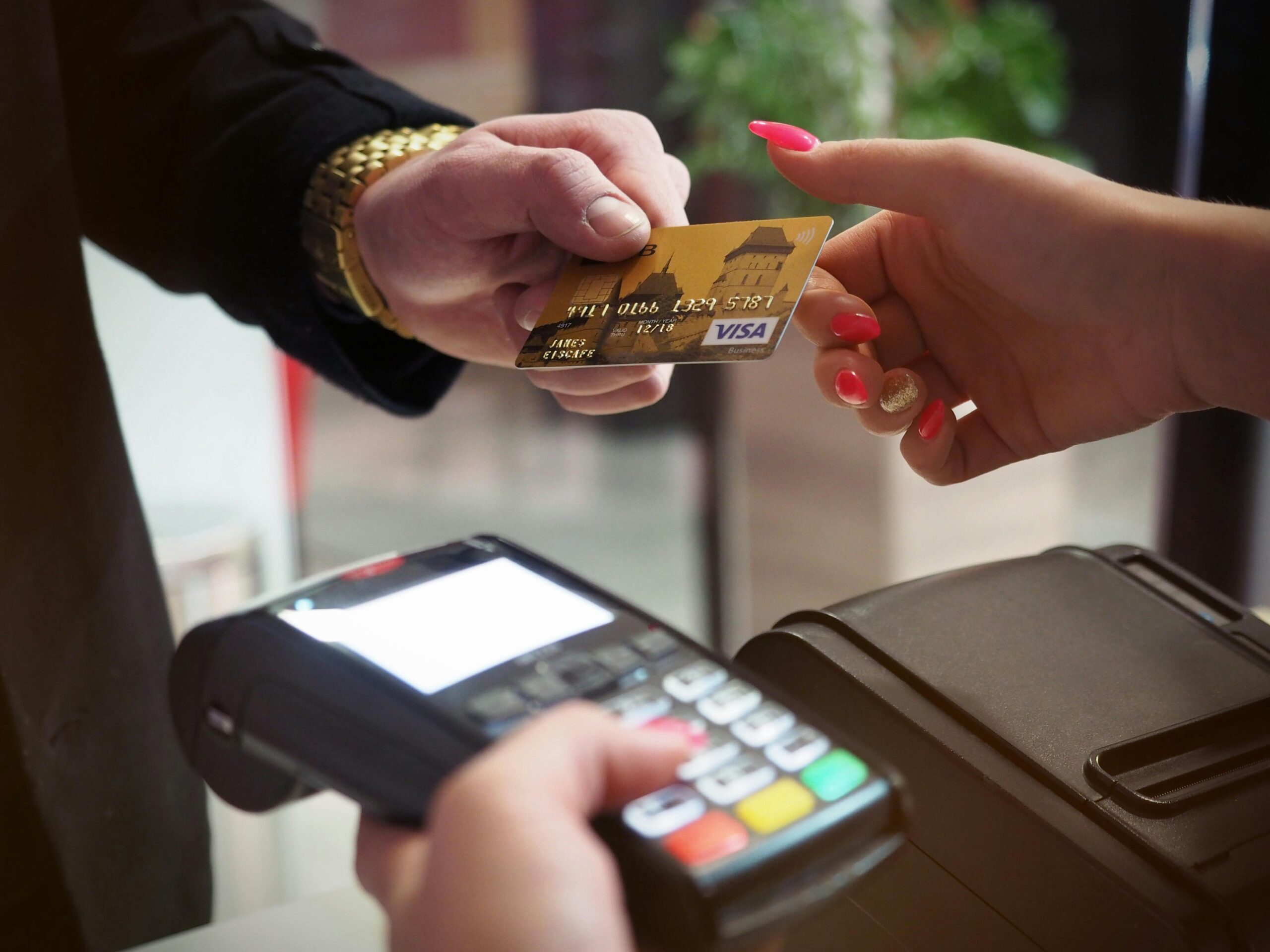
Managing monthly expenses efficiently is essential for maintaining healthy finances. Many consumers are now choosing a Credit Card to Pay Bills as a convenient and strategic way to handle recurring payments. When used responsibly, this method can offer rewards, improve cash flow, and provide additional security compared to traditional payment options.
In this guide, we’ll explore how paying bills with a credit card works, its benefits, potential drawbacks, and tips to maximize advantages while avoiding common pitfalls.
Why Pay Bills with a Credit Card?
Using a credit card for recurring expenses such as utilities, insurance premiums, subscriptions, and even rent can simplify your financial routine. Instead of managing multiple due dates and payment methods, you consolidate expenses into a single monthly statement.
Here are some key advantages:
1. Earn Rewards and Cashback
One of the biggest incentives is earning rewards. Many credit cards offer cashback, travel points, or loyalty bonuses on everyday spending. By routing regular bills through your card, you can accumulate rewards without increasing your overall expenses.
2. Improve Cash Flow Flexibility
Credit cards provide a grace period between the transaction date and the payment due date. This can give you extra time to manage your cash flow, especially if your income schedule doesn’t perfectly align with bill due dates.
3. Build and Strengthen Credit Score
Consistent, on-time payments help improve your credit utilization ratio and payment history—two major factors in determining your credit score. Strategically using a Credit Card to Pay Bills can positively impact your financial profile when balances are paid in full.
4. Enhanced Fraud Protection
Credit cards typically offer stronger fraud protection than debit cards or direct bank transfers. If unauthorized charges occur, card issuers often resolve disputes quickly and may temporarily remove fraudulent amounts while investigating.
Types of Bills You Can Pay
Many service providers now accept credit card payments, including:
-
Utility bills (electricity, water, gas)
-
Internet and mobile phone services
-
Insurance premiums
-
Streaming subscriptions
-
Property taxes (in some regions)
-
Tuition or educational fees
-
Medical expenses
However, it’s important to check whether your provider charges a convenience fee for card transactions. Sometimes the processing fee may outweigh the benefits of rewards earned.
Potential Drawbacks to Consider
While there are clear benefits, using a credit card for bills is not always the best option for everyone.
1. Interest Charges
If you carry a balance beyond the due date, interest charges can quickly cancel out any rewards you earn. The average credit card interest rate is significantly higher than most other forms of borrowing.
2. Transaction Fees
Some landlords, tax agencies, or utility providers charge processing fees for card payments. Before choosing this method, calculate whether the rewards or cashback offset the extra cost.
3. Increased Debt Risk
It can be tempting to overspend when using credit. Without careful budgeting, you might accumulate debt that becomes difficult to manage.
Smart Tips for Using a Credit Card for Monthly Expenses
To maximize benefits and minimize risks, follow these practical strategies:
-
Pay the balance in full every month to avoid interest charges.
-
Track your spending through budgeting apps or monthly statements.
-
Choose a rewards card that aligns with your regular spending categories.
-
Automate payments to avoid late fees.
-
Monitor your credit utilization and keep it below 30% of your credit limit.
Is This Strategy Right for You?
Using a credit card for recurring expenses works best for disciplined spenders who can pay off balances consistently. If you struggle with overspending or already carry high-interest debt, focusing on debt reduction may be a better priority.
For financially organized individuals, paying bills with a credit card can offer convenience, rewards, and stronger consumer protection. The key lies in strategic usage and responsible repayment habits.
Final Thoughts
Leveraging a credit card for bill payments can be a powerful financial tool when managed wisely. It offers rewards, improved cash flow flexibility, and added security. However, success depends on avoiding interest charges and unnecessary fees.
Before making the switch, evaluate your financial habits, compare card benefits, and calculate potential costs. When used responsibly, this approach can turn everyday expenses into opportunities for financial growth and smarter money management.