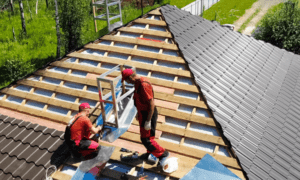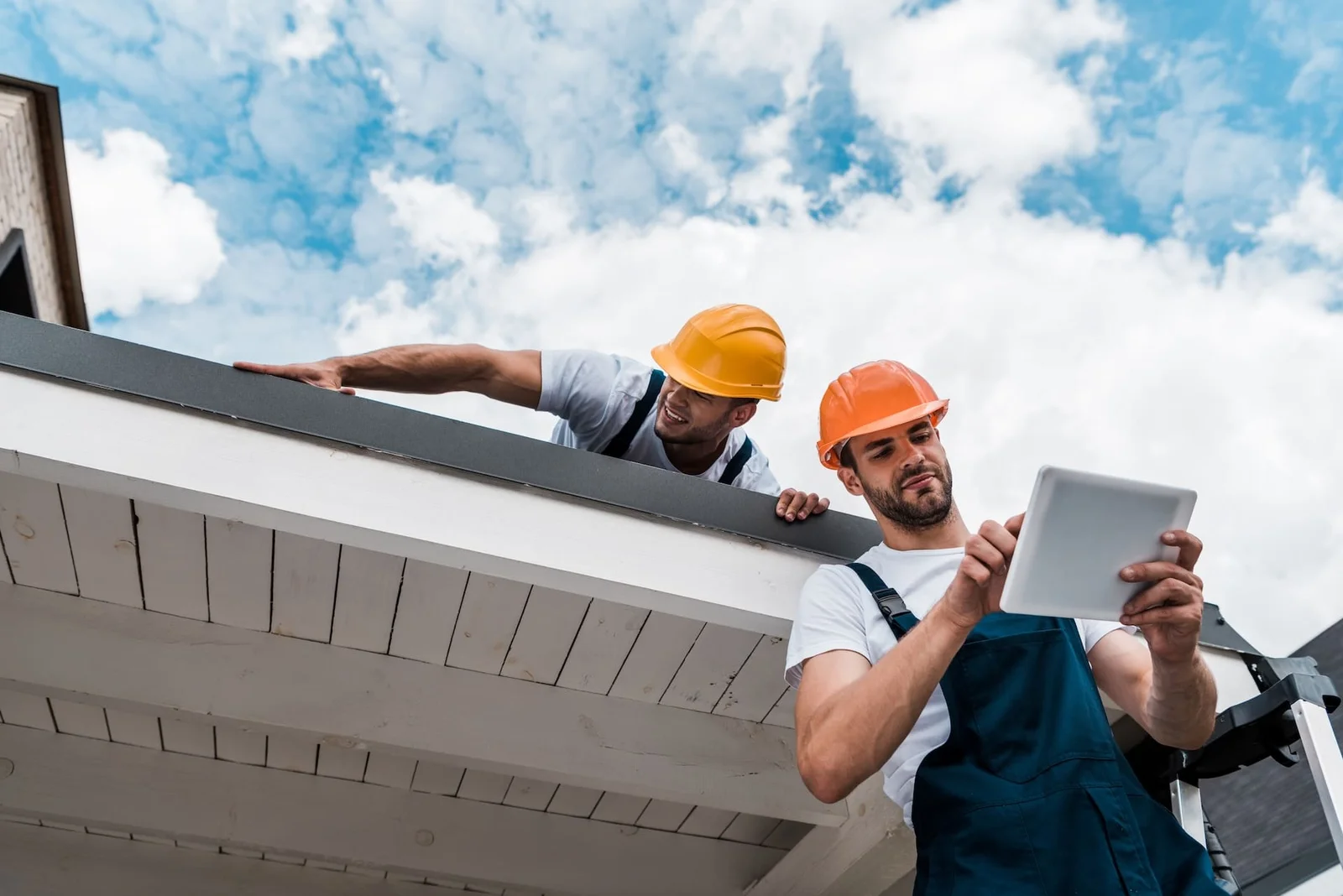
A roof is far more than a protective covering for a home; it is the first line of defense against weather, water damage, and structural deterioration. Many homeowners fail to realize how critical proper installation and maintenance are until problems arise, which often results in expensive repairs, leaks, or premature replacements. The importance of hiring a professional roofing contractor cannot be overstated, as a qualified contractor combines expertise, experience, and the right tools to ensure a roof is both durable and functional. Choosing the right contractor is therefore a crucial step in safeguarding your home, preserving its value, and avoiding future complications that arise from improper installation or inadequate maintenance. Professional roofing services cover not only repairs and replacements but also inspections, preventative maintenance, and material guidance, all of which contribute to a long-lasting and structurally sound roof.
Understanding the Role of a Roofing Contractor
A roofing contractor is a licensed professional specializing in the installation, repair, and maintenance of roofs across residential, commercial, and industrial properties. Their responsibilities extend beyond placing shingles or tiles; they perform detailed assessments to identify hidden damage, recommend suitable materials based on durability, climate, and aesthetics, and execute repairs that comply with building codes and safety regulations. Roofing contractors are trained to address the complexities of various roofing materials, including asphalt shingles, metal, slate, tile, and modern eco-friendly options, ensuring that each installation meets professional standards. In addition to physical work, these contractors provide guidance on roof design choices, material selection, and long-term maintenance, which helps homeowners make informed decisions while preventing issues that could lead to structural compromise or expensive future repairs. Attempting roofing tasks without professional oversight can compromise both safety and effectiveness, as incorrect installation may lead to leaks, weakened structural integrity, and accelerated wear.
Signs You Need a Roofing Contractor
Homeowners should recognize the early indicators that professional roofing intervention is necessary, as delaying repairs or inspections can exacerbate damage and increase costs. Visible issues such as cracked, curling, or missing shingles, sagging roof sections, and water stains on ceilings or walls suggest underlying problems that require immediate attention. Recurrent leaks, even minor ones, can indicate structural weaknesses or deteriorating materials that need evaluation by a professional. Older roofs, typically twenty to twenty-five years in age depending on the material, should be inspected regularly, as natural wear over time can result in diminished performance and increased vulnerability to weather-related damage. Roofs affected by severe weather, including hail, strong winds, or heavy rain, often sustain hidden damage that is not immediately apparent but can compromise the entire roofing system if left untreated. Additionally, the presence of mold, algae, or wood rot caused by prolonged moisture exposure necessitates prompt professional repair to prevent further structural decay. Recognizing these signs early allows homeowners to address problems proactively, preserving the roof’s integrity and avoiding significant financial and safety risks.
How to Find a Reliable Roofing Contractor
Selecting a trustworthy roofing contractor requires careful research and evaluation to ensure the work is performed to professional standards. Licensing and insurance are fundamental; a legitimate contractor must be licensed to perform roofing work in accordance with local regulations and carry sufficient insurance to protect homeowners against liability in case of accidents or property damage. References and client reviews provide additional insight into the contractor’s reliability and work quality. Speaking with previous clients and examining examples of past projects helps assess the contractor’s ability to handle similar work effectively. Experience is another key factor; contractors with extensive experience are better equipped to anticipate challenges, implement solutions efficiently, and deliver a high-quality finished roof. Obtaining multiple quotes allows homeowners to compare costs, services, and warranties, helping to ensure they receive a fair and competitive price. While cost is an important consideration, extremely low estimates may signal the use of inferior materials or shortcuts in installation, potentially compromising the longevity of the roof. Warranties are equally important, as they reflect the contractor’s confidence in their work and provide homeowners with protection against future defects or failures.
Questions to Ask Before Hiring a Roofing Contractor
Prior to hiring a contractor, homeowners should ask detailed questions to evaluate competence, transparency, and professionalism. Inquiries should cover licensing, insurance coverage, years of experience, and familiarity with specific roofing materials. Asking for references and photographic evidence of previous projects allows homeowners to gauge workmanship quality and reliability. Material recommendations should be discussed in detail to ensure suitability for the property’s climate, design, and budget. It is essential to request a written estimate that clearly outlines the scope of work, timeline, costs, and warranty terms. Understanding the contractor’s process for protecting the home during construction, including safety measures and debris management, is equally important. These questions create transparency, set clear expectations, and minimize the potential for misunderstandings or disputes, ultimately contributing to a smoother roofing experience.
Understanding Roofing Materials and Their Benefits
The choice of roofing material significantly impacts durability, appearance, and maintenance requirements. Asphalt shingles remain a popular option due to affordability, ease of installation, and versatility in color and style, though their lifespan is relatively shorter than premium alternatives. Metal roofing offers durability, fire resistance, and energy efficiency, lasting between forty to seventy years depending on the type and maintenance. Tile roofing, including clay and concrete, provides a unique aesthetic and long-lasting performance but requires reinforced support due to weight. Slate roofing is highly durable, elegant, and capable of lasting over a century, though it involves a higher initial investment and specialized installation. For environmentally conscious homeowners, eco-friendly options such as green roofs, solar panels, or recycled materials provide sustainability benefits and can reduce energy costs over time. A qualified roofing contractor evaluates all these factors, guiding homeowners to a choice that balances cost, longevity, and visual appeal while ensuring installation is safe and compliant with local standards.
Red Flags to Avoid in Roofing Contractors
Homeowners should remain vigilant for warning signs that may indicate an unreliable contractor. Common red flags include a lack of licensing or insurance, poor or unverifiable references, requests for full upfront payments, vague or incomplete contracts, and high-pressure sales tactics promising unrealistic results. Contractors exhibiting these behaviors may compromise quality, safety, and overall satisfaction. Conducting due diligence by verifying credentials, reviewing past work, and ensuring clear contractual terms is essential in avoiding potential pitfalls. By carefully screening potential contractors, homeowners increase the likelihood of hiring a professional capable of delivering a high-quality roof with lasting durability.
Costs of Hiring a Roofing Contractor
The cost of professional roofing services varies according to the size, complexity, and material of the roof, as well as the labor involved and any required structural repairs. Larger or steeper roofs require additional materials and time, naturally increasing costs. Premium materials such as slate, tile, or metal involve higher upfront investments compared to asphalt shingles, though they often provide longer lifespans and lower maintenance costs. Experienced contractors may charge more for their expertise, but the resulting quality, efficiency, and durability generally justify the expense. Hidden or unforeseen issues, such as underlying water damage or structural weaknesses, can also increase total project costs. Obtaining multiple detailed estimates allows homeowners to plan appropriately and select a contractor who offers the best balance between cost, quality, and warranty coverage.
Benefits of Hiring a Professional Roofing Contractor
Hiring a professional roofing contractor offers numerous advantages that extend beyond the immediate completion of the project. Contractors bring specialized knowledge of materials, installation techniques, and safety protocols, ensuring that roofs are constructed to withstand environmental stress and last for decades. Professional contractors have access to specialized tools, equipment, and crews capable of completing work efficiently and safely, reducing the likelihood of accidents or errors. Labor and material warranties provided by reputable contractors protect homeowners from future defects, offering peace of mind and long-term financial protection. Additionally, high-quality installation reduces the frequency of maintenance, repairs, and early replacements, contributing to cost savings and the overall longevity of the roof. The expertise and reliability of a professional contractor ultimately transform a potentially stressful and complex project into a manageable and successful process.
Maintenance Tips from Contractors
Routine maintenance is a crucial factor in prolonging the lifespan of any roof and preventing costly repairs. Roofing contractors recommend clearing debris, leaves, and other obstructions from gutters and roof surfaces to maintain proper water drainage. Regular inspections for damaged shingles, cracks, or wear ensure that minor issues are addressed before they escalate. Attention to flashing, seals around chimneys, vents, and skylights, and proper roof ventilation helps maintain structural integrity and prevents leaks. Scheduling professional inspections periodically, even when no visible damage exists, allows contractors to identify early signs of deterioration, proactively addressing issues and ensuring the roof continues to perform effectively. Following these preventative measures significantly reduces the likelihood of emergency repairs and extends the roof’s functional lifespan.
The Future of Roofing Services
Technological advancements are reshaping the roofing industry, offering homeowners improved efficiency, precision, and convenience. Innovations such as AI-driven monitoring, predictive maintenance systems, and digital project management tools allow contractors to optimize material usage, track roof performance, and schedule inspections automatically. Emerging technologies, including drones and autonomous systems, facilitate faster assessments, accurate measurements, and enhanced safety during installations and repairs. Contractors adopting these technologies can provide more reliable, cost-effective, and efficient solutions, improving the overall homeowner experience. The integration of technology into roofing services ensures that future roofs are not only durable but also intelligently maintained for optimal performance.
Final Thoughts
A roofing contractor is a vital partner in maintaining the safety, durability, and value of a home. Selecting the right contractor involves verifying licenses and insurance, checking references, evaluating experience, comparing estimates, and understanding material options. Professional contractors bring technical expertise, efficiency, and reliability to every project, ensuring that the roof performs as intended and provides long-term protection. Investing time in choosing a reputable contractor and adhering to maintenance guidelines guarantees a durable, safe, and aesthetically appealing roof that will serve the home and its occupants for decades. The importance of a qualified roofing contractor extends beyond installation or repair; it is an investment in security, comfort, and peace of mind for every homeowner.