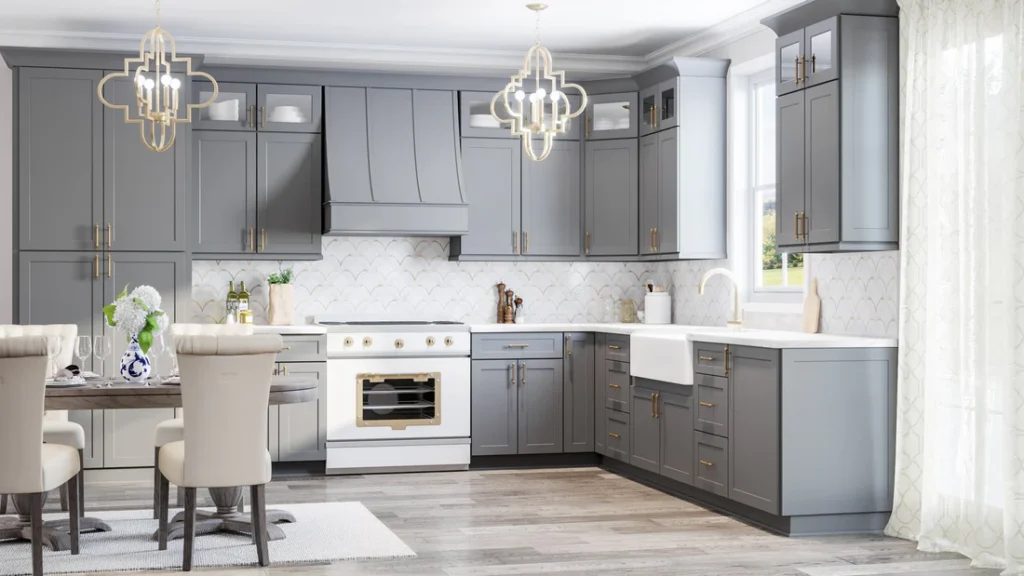
Choosing the right kitchen cabinet style is one of the most significant decisions you will make during a home renovation. Cabinets typically occupy the largest amount of visual space in a kitchen, meaning they dictate the room’s overall aesthetic and set the tone for all other design elements. From the flooring and countertops to the backsplash and lighting, every other choice you make will likely be influenced by the door style and finish of your cabinetry.
The sheer variety of options on the market today can feel overwhelming, especially when trying to balance current trends with long-term durability. To narrow down your choices, it is often helpful to consult with local professionals who understand how different profiles interact with the specific architectural styles found throughout the region. If you are beginning your renovation journey, viewing examples of expert custom kitchen cabinets in North Colorado can provide the necessary inspiration to visualize how high-quality craftsmanship translates into a functional and beautiful living space.
Understanding Popular Cabinet Door Profiles
The foundation of any cabinet style is the door profile. This is the physical shape and design of the cabinet door itself. Two of the most common contenders in modern design are Shaker and slab cabinets. Shaker cabinets have remained the most popular choice for decades due to their incredible versatility. Defined by a five-piece door with a recessed center panel, they offer clean, simple lines that work equally well in a rustic farmhouse or a transitional suburban home.
On the other hand, if your taste leans toward a minimalist or contemporary aesthetic, slab cabinets—also known as flat-panel cabinets—might be the ideal fit. These doors are characterized by a single, smooth piece of wood or laminate with no decorative framing or beveling. They provide a streamlined look that is easy to clean and serves as a perfect canvas for highlighting the natural beauty of wood grain or high-gloss finishes.
Traditional vs Modern Kitchen Cabinets
Deciding between a traditional and a modern look often depends on the architecture of your home. Traditional cabinet design typically involves raised panel doors, which feature a center panel that is elevated or flush with the outer frame. This style often includes intricate decorative moldings and shadow lines that add depth and a sense of luxury to the space. Raised panels are frequently found in historic homes or larger estates where a formal atmosphere is desired.
For homeowners in growing areas like Greeley, Loveland, or Windsor, a blend of styles is often preferred. This is known as transitional design. It combines the warmth of traditional materials with the cleaner lines of modern profiles. Recessed panel cabinets are the hallmark of this look, providing a bit more visual interest than a flat slab without the ornate heaviness of a traditional raised panel.
The Impact of Materials and Finishes
The material you choose will dictate how your cabinets stand up to daily use and how they appear under different lighting conditions. Solid hardwoods like maple and oak are prized for their durability and the unique character of their grain patterns. Maple offers a smooth, uniform surface that is perfect for painting, while oak provides a textured, classic feel that handles stains beautifully.
Color choice is equally vital in defining your kitchen’s personality. While white remains the gold standard for creating a bright, airy environment, many homeowners are now exploring darker, moodier palettes. Deep navy, forest green, and charcoal grey have become popular choices for islands or lower cabinets, creating a sophisticated “tuxedo” look when paired with lighter upper cabinets. If you prefer a natural look, clear-coated wood finishes bring an organic warmth to the home that feels grounded and inviting.
Considering Home Architecture and Local Trends
When selecting a style, it is important to consider the context of your surroundings. A sleek, ultra-modern slab cabinet might feel out of place in a classic craftsman bungalow, just as heavy traditional cabinets could overwhelm a small, modern condo. In North Colorado communities such as LaSalle, Evans, and Milliken, we see a wide range of home styles, from historic properties to new constructions. Matching your cabinetry to the architectural “bones” of your house ensures that your renovation feels like a natural extension of the home rather than a disjointed addition.
Functionality and Long-Term Value
While style is the primary focus of the design phase, functionality should never be sacrificed. The best cabinet style is one that supports your daily habits. Consider incorporating deep drawers for heavy cookware, pull-out spice racks, and hidden waste containers. High-quality hardware—the knobs and pulls—acts as the finishing touch, much like jewelry for the room.
Ultimately, choosing the right kitchen cabinet style is about finding the intersection of your personal taste and the practical needs of your household. By taking the time to research different door profiles, finishes, and material options, you can create a kitchen that is not only beautiful today but remains a timeless asset to your home for years to come. Whether you are in Platteville or the heart of Windsor, the right cabinetry will transform your kitchen into the functional centerpiece of your daily life.