
How Technology is Transforming the Way We Buy Cars in the UK

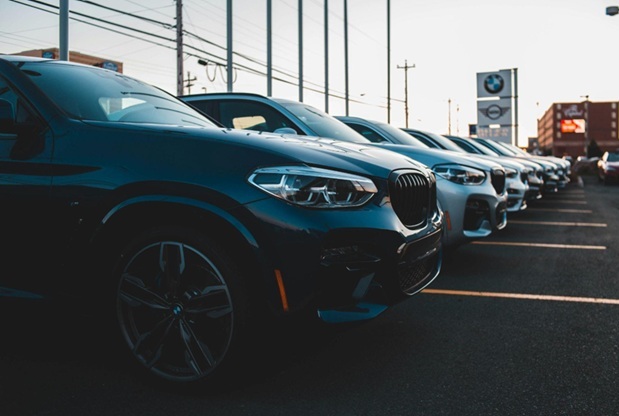
The car buying journey has changed dramatically over the past decade. What was once a process driven by forecourt visits and face-to-face conversations is now heavily influenced by digital platforms, data, and evolving consumer expectations.
Today’s buyers are more informed, more selective, and more reliant on technology than ever before and dealerships are adapting quickly to keep up.
The Shift to Online-First Car Buying
Modern consumers now begin their journey online. From comparing models to checking finance options, the majority of research happens before a customer even steps onto a forecourt.
This shift has pushed dealerships to invest in better digital experiences, including fully optimised websites, detailed vehicle listings, and high-quality imagery. For example, buyers searching for car dealerships in Plymouth can now browse available stock, compare vehicles, and even reserve a car online through dealerships like Motor City Plymouth.
This level of convenience is no longer a bonus, it’s expected.
Data-Driven Decisions for Buyers
Technology has also empowered buyers to make more informed decisions.
With access to vehicle history checks, pricing comparison tools, and real-time market data, customers can quickly assess whether a car represents good value. This transparency has helped build trust while also raising expectations for dealerships to be more competitive and open with pricing.
For those browsing cars for sale in Newcastle, dealerships like GMZ Motors provide detailed listings that allow users to filter by price, mileage, fuel type, and more, making the decision process faster and more efficient.
The Rise of Digital Finance Solutions
One of the most significant technological advancements in automotive retail is the integration of digital finance tools.
Customers can now apply for finance online, receive quick decisions, and tailor payment plans to suit their budget, all without needing to visit a dealership in person. This has removed a major barrier in the buying process and made car ownership more accessible.
From a dealership perspective, these tools also improve lead quality, as enquiries are often more informed and finance-ready.
AI and Personalisation in Car Search
Artificial intelligence is beginning to play a bigger role in how vehicles are marketed and recommended.
From personalised vehicle suggestions based on browsing behaviour to automated chatbots handling initial enquiries, AI is helping streamline the customer journey. This not only improves the user experience but also allows dealerships to respond more efficiently to demand.
As these technologies continue to develop, we can expect an even more tailored and intuitive car buying experience.
Bridging the Gap Between Online and Offline
Despite the rise of digital tools, the physical dealership still plays an important role.
Test drives, part exchanges, and final purchase decisions often still happen in person. However, the difference now is that customers arrive far more informed than before.
This creates a hybrid journey where online research and offline experience work together, rather than separately.
Final Thoughts
Technology is not replacing the traditional car buying experience, it’s enhancing it.
By combining digital convenience with in-person reassurance, today’s dealerships are creating a more efficient, transparent, and customer-focused process. Whether you’re exploring car dealerships in Plymouth or browsing cars for sale in Newcastle, the journey has never been more accessible.





Comment