
How Real-Time Operating Systems Enhance Embedded Verification

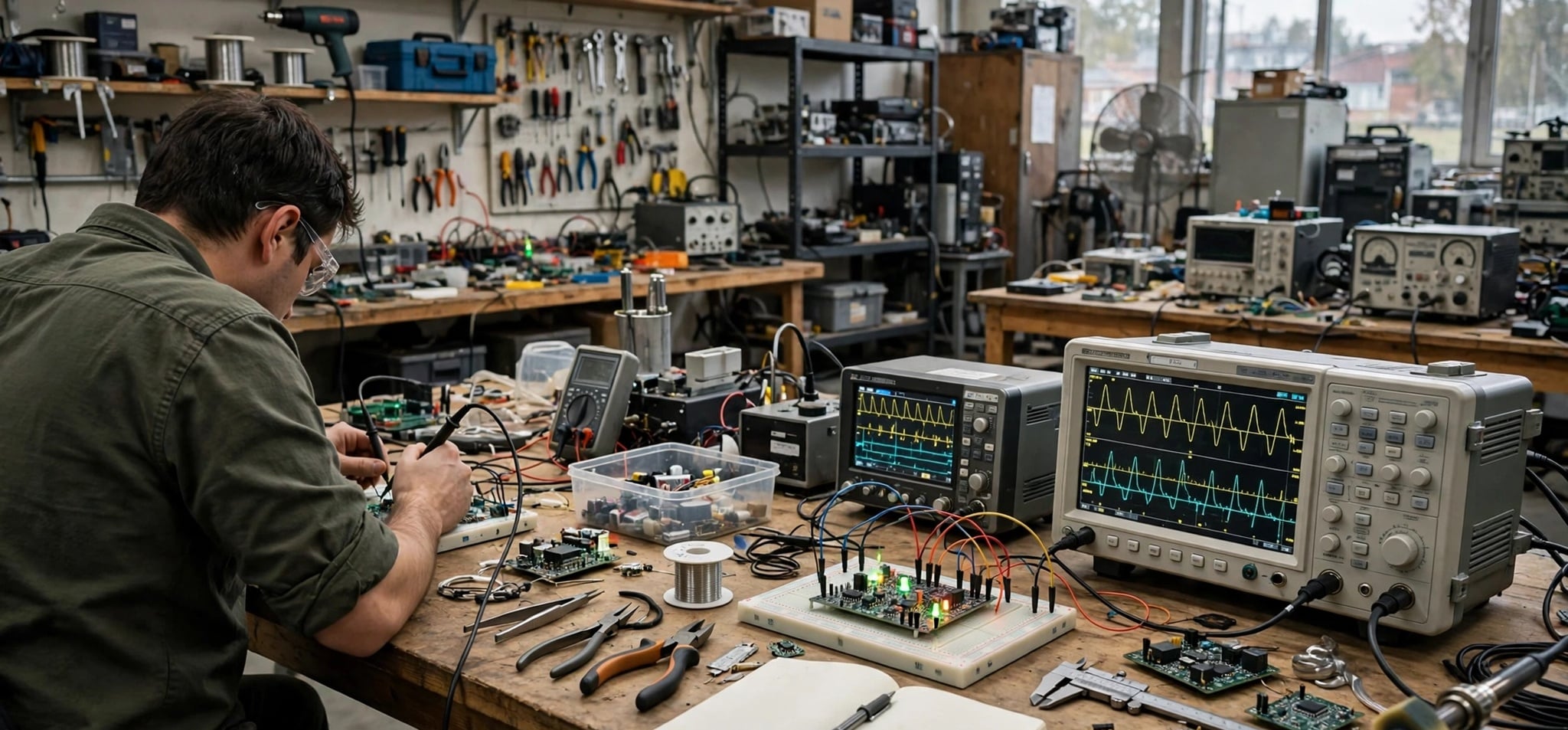
When engineers build medical or automotive hardware, unexpected system delays can be fatal. Standard operating systems cannot guarantee that a physical action will happen exactly on time. You need a software framework that eliminates unpredictable digital lag from testing protocols.
By implementing strict timing controls, you ensure hardware behaves exactly as your engineering team intended. Read this blog to examine how real-time operating systems enhance your embedded verification processes.
Guaranteeing Predictable Task Execution
During strict testing phases, you must know that a sensor will read data instantly. Standard software might delay this reading if it is processing an unrelated background task. This unpredictability makes it impossible to verify if safety hardware works properly.
FreeRTOS development allows you to assign strict digital priorities to the tests you run. The system forces low-priority tasks to pause while the safety check executes. This predictability guarantees that testing data is accurate and reliable every time. Engineers can confidently verify that the device reacts exactly when it is supposed to react.
Isolating Complex Software Bugs
Finding a coding error inside a massive software programme is time-consuming. A real-time operating system divides bulky code into small, manageable digital tasks.
Here are the ways this task separation helps engineers locate hidden software bugs:
Testing Individual Threads: Your team can verify one software task without starting the entire machine
Preventing Memory Leaks: The system prevents a broken task from crashing other healthy tasks
Monitoring Processor Load: Engineers clearly see which specific task is hogging processor power
Simplifying Code Reviews: Smaller chunks of separated code are easier for developers to read
Managing Hardware Interruptions Efficiently
Electronic devices receive sudden external signals that demand immediate digital processing. When someone pushes an emergency button, the system must verify that the software recognises this interruption instantly. A real-time operating system provides a strict framework for managing sudden hardware interruptions flawlessly.
During the verification phase, engineers deliberately spam the device with fake electronic interruptions. They watch closely to ensure the system never ignores a high-priority signal. This testing guarantees the final commercial product will never freeze during a physical emergency.
Enhancing Long-Term System Stability
It is simple for any engineer to demonstrate that a smart device is functional for a period of five minutes. Proving it can run flawlessly for five years requires long-term verification testing protocols.
These are the ways a real-time operating system helps verify long-term digital stability effectively:
Preventing Digital Deadlocks: Strict rules prevent vital tasks from getting stuck waiting forever
Managing Memory Safely: The system clears data so hardware never runs out of space
Tracking Execution Times: Engineers can verify that tasks do not take longer to run over months
Simulating Heavy Loads: Your team can artificially stress the system to see how it handles traffic
Streamlining the Certification Process
If you build medical devices or car brakes, you must pass strict government certifications. Regulators demand proof that your software will never fail under any circumstance. Because a real-time operating system behaves predictably, gathering this proof becomes easier to manage. You can generate reports showing exact response times for every safety feature.
Without this predictable foundation, passing strict government audits is extremely difficult. Engineers would spend months trying to explain away random digital delays in test results. Using a proper real-time framework hands auditors exactly what they want to see.
Secure Your Embedded Hardware Success Now
Verifying complex electronic systems is impossible if the underlying software behaves unpredictably. By adopting a real-time operating system, you bring strict discipline to daily testing protocols. Your engineering team can isolate bugs instantly, manage interruptions safely, and prove long-term stability.
Implement a precise real-time framework today and give engineers the precision they need. Build certified, reliable commercial products that your customers can trust with their lives.







Comment