
How Gen Z is Tackling the Housing Affordability Challenge

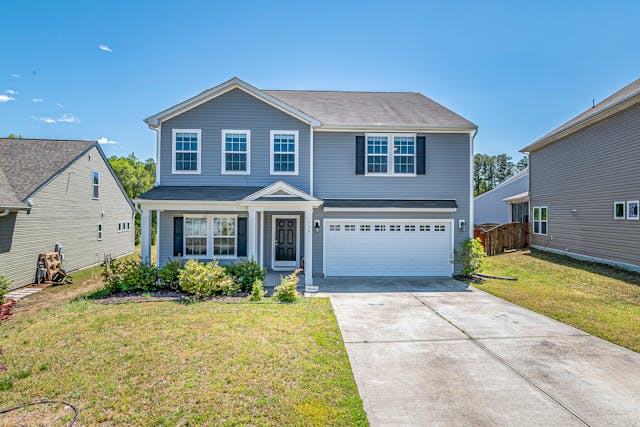
The housing market that Gen Z inherited looks nothing like the one their parents navigated for years. Home prices have climbed dramatically over the past decade. Interest rates then rose sharply after years of historic lows. At the same time, inventory in desirable markets has stayed pretty tight. For a generation already managing student loan debt and navigating a volatile job market, the traditional path to homeownership has stopped being a “slam dunk” for everyone with a good job and some basic financial discipline.
But Gen Z isn’t sitting on the sidelines waiting for conditions to improve. Instead, they’re rethinking what homeownership looks like and finding ways into the market that previous generations didn’t consider.
Let’s take a look at some of them to better understand what’s happening in the marketplace.
Buying With Friends
One of the more significant shifts happening in the housing market right now is who people are buying with. For previous generations, purchasing a home was something you did with a spouse or partner, or on your own. For a growing number of Gen Z buyers, it’s something you do with a friend.
Co-buying arrangements between friends have moved from a niche workaround to a full-blown trend. Rocket Mortgage surveyed potential home buyers and found that a striking number of respondents are open to or actively planning to purchase a home with a friend or non-romantic partner. They’re doing it as a way to manage affordability. Two incomes obviously makes mortgage qualification easier up front. Plus, two people sharing housing costs makes monthly expenses far more sustainable than carrying them alone.
The practical side of co-buying requires careful planning. You’ll need a co-ownership agreement that addresses what happens if one person wants to sell, how expenses are divided, and how decisions about the property are made. An attorney who is experienced in real estate can help draft something that protects both parties.
Done right, co-buying is a legitimate path into homeownership. Yes, there are certain things you’ll have to be careful about. However, if you’re not reactionary or emotional about this decision, there are plenty of good reasons to move forward with this option. If nothing else, it’ll give you something creative to consider, alongside the other options that are available to you.
Relocating to More Affordable Markets
Remote work changed the geographic calculus for homeownership. Younger buyers are now more willing to be flexible about where they live. If your job doesn’t require you to be in a specific city, you’re no longer competing in that housing market.
Gen Z has been quicker than older generations to act on this. Secondary markets across the country have seen an influx of younger buyers who traded expensive coastal metros for places where their money goes further.
This isn’t a sacrifice for everyone. Many of the cities attracting younger buyers have strong job markets of their own and growing food and culture scenes. In other words, they like it there better anyway. It just took some creative shifts in the job market to show people a new path forward.
House Hacking
House hacking is one of those strategies that sounds complicated until you understand what it actually is. At its core, it means buying a property and using part of it to generate rental income that offsets your housing costs. The most common version is buying a small multi-family property, living in one unit, and renting out the others. Another version is buying a single-family home with extra bedrooms and renting those rooms to housemates.
The financial case for house hacking is, honestly, pretty compelling. In the best scenarios, rental income covers most or all of the mortgage payment. This means you’re building equity in a property at a reduced monthly cost. (Even partial offsets make a meaningful difference in affordability over time.)
Gen Z has embraced this approach for a couple of reasons. It’s partly because the sharing economy normalized the idea of strangers occupying your space. It’s also because the math in many markets makes it one of the few ways a first-time buyer can make the numbers work. It definitely requires more landlord responsibility than a traditional purchase, but for buyers who go in with realistic expectations, it can be a powerful financial move.
Using Alternative and First-Time Buyer Programs
Despite what your parents may have told you, a conventional 30-year mortgage is not the only type of financing available to buyers. Many are starting to realize this, which leads them to explore some alternative options. This includes:
- FHA loans that allow down payments as low as 3.5 percent for qualified buyers.
- VA loans that offer zero down payment options for eligible veterans and service members.
- USDA loans that provide similar options in qualifying rural and suburban areas.
- State and local first-time buyer programs that layer on top of these with down payment assistance, closing cost grants, and below-market interest rates.
Gen Z buyers who do their homework on these programs find that the upfront barrier to homeownership is lower than they assumed. The key is working with a lender who takes the time to explain what’s available rather than defaulting to a conventional loan just because it’s simpler.
Adjusting Expectations on the First Purchase
There’s also a mindset shift worth acknowledging. Gen Z is largely letting go of the idea that the first home has to be the dream home. In other words, they’re comfortable with:
- Buying a smaller property in a less trendy neighborhood
- Choosing a condo over a single-family home
- Purchasing a property that needs work
- House hacking with a multi-family property
- Buying a house with a friend or another family
These are all ways younger buyers are getting into the market at a price point that’s actually achievable. They’re coming to terms with the fact that the first purchase isn’t the destination. It’s the starting point for something else down the line. And that long-term thinking, applied practically, is exactly how Gen Z is finding a way in.






Comment