Improving indoor comfort does not always require a full renovation or a brand-new HVAC system. In many cases, upgrading your existing home insulation can dramatically enhance temperature consistency, reduce energy bills, and make your living space more enjoyable year-round. Homeowners often overlook insulation because it is hidden behind walls and ceilings, but it plays a critical role in maintaining comfort. By focusing on strategic improvements, you can get more out of your current setup without unnecessary expense.
Why Existing Home Insulation Matters
Existing home insulation serves as the barrier that slows down heat transfer between the inside and outside of your home. During summer, it helps keep cool air in and heat out. During winter, it does the opposite by retaining warmth. If your insulation is outdated, poorly installed, or insufficient, your home will struggle to maintain a stable temperature.
Many older homes were built with insulation standards that no longer meet modern efficiency expectations. Even newer homes can have gaps or inconsistencies that reduce effectiveness. Improving existing home insulation is one of the most cost-effective ways to boost comfort while lowering energy consumption.
Signs Your Insulation Needs an Upgrade
Before making improvements, it is important to recognize the signs that your existing home insulation may not be performing well. Uneven temperatures from room to room are a common indicator. If one area of your home feels significantly warmer or cooler than others, insulation gaps could be the cause.
High energy bills are another red flag. When your heating and cooling system has to work harder to compensate for heat loss or gain, your utility costs rise. Drafts, cold walls, and hot ceilings also point to insulation issues. In some cases, moisture problems or ice dams in colder climates can signal poor insulation performance.
Start with an Energy Assessment
A professional energy assessment is one of the best ways to evaluate your current insulation. Experts use tools like thermal imaging to identify weak spots where air is escaping or entering. This step allows you to target upgrades instead of guessing where improvements are needed.
If you prefer a DIY approach, you can inspect visible areas such as the attic, crawl spaces, and basement. Look for thin or uneven insulation, exposed joists, or areas where insulation has settled over time. While not as precise as a professional audit, this can still reveal obvious problem areas.
Upgrade Attic Insulation First
The attic is often the most important place to improve existing home insulation because heat naturally rises. If your attic insulation is inadequate, your home will lose a significant amount of conditioned air.
Adding blown-in insulation or fiberglass batts can quickly increase your attic’s thermal resistance. Make sure the insulation is evenly distributed and reaches the recommended depth for your climate. Sealing air leaks before adding insulation is equally important. Small gaps around vents, light fixtures, and attic hatches can undermine your efforts if left unaddressed.
Seal Air Leaks for Maximum Efficiency
Insulation works best when combined with proper air sealing. Even the best materials cannot perform effectively if air is freely moving in and out of your home. Sealing leaks is a simple but powerful upgrade.
Focus on areas around windows, doors, electrical outlets, and plumbing penetrations. Use caulk or weatherstripping to close gaps. Pay special attention to the attic and basement, where many leaks originate. Improving existing home insulation without sealing leaks is like wearing a jacket with holes in it. You need both layers working together for optimal comfort.
Improve Wall Insulation Without Major Renovation
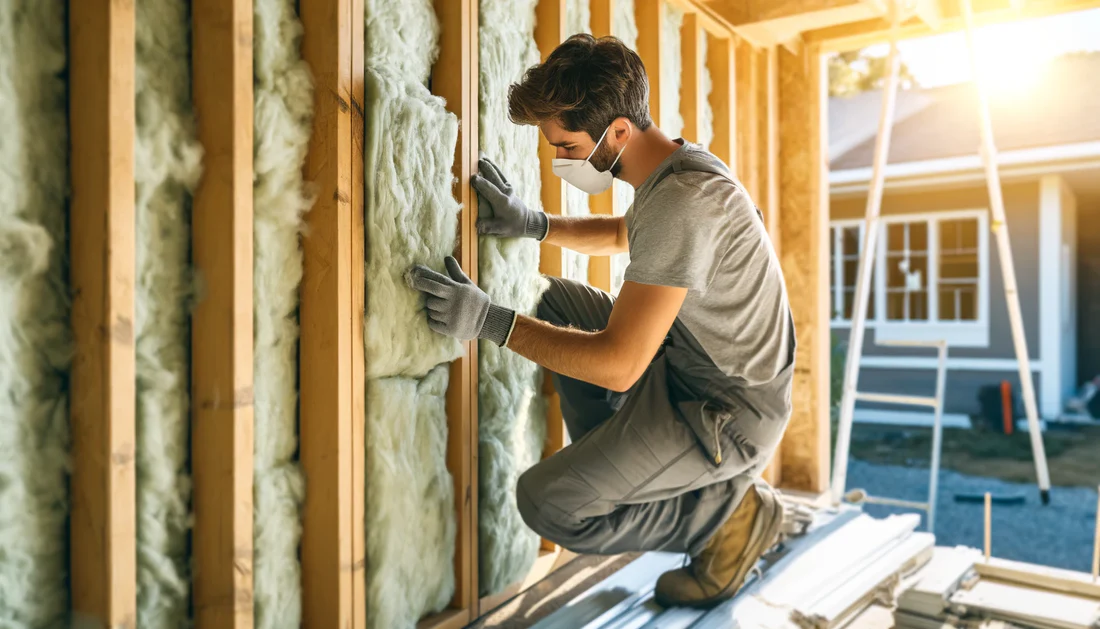
Upgrading wall insulation might seem challenging, but some solutions do not require tearing down drywall. One common method is dense pack cellulose insulation, which can be blown into wall cavities through small holes.
This approach fills gaps and improves overall coverage without a full remodel. It is particularly useful in older homes where insulation may be sparse or uneven. By enhancing existing home insulation in the walls, you can significantly reduce drafts and improve indoor temperature stability.
Address Floors and Crawl Spaces
Floors are another area where insulation upgrades can make a noticeable difference. If you have a crawl space or an unconditioned basement, insulating the floor above can help keep your living areas more comfortable.
Rigid foam boards or fiberglass insulation can be installed between floor joists. In crawl spaces, adding a vapor barrier and sealing vents can further improve performance. These upgrades prevent cold air from seeping into your home during winter and reduce heat gain during summer.
Upgrade Insulation Around Ductwork
Ductwork often runs through unconditioned spaces like attics or crawl spaces. If these ducts are not properly insulated, they can lose a significant amount of energy before the air even reaches your living areas.
Wrapping ducts with insulation and sealing joints with mastic or foil tape can improve efficiency. This ensures that your heating and cooling system delivers air at the intended temperature. Improving existing home insulation in this area supports better airflow and consistent comfort throughout the home.
Choose the Right Insulation Materials
Not all insulation materials are the same, and selecting the right type can enhance your results. Fiberglass is widely used and cost-effective, while cellulose offers excellent coverage and is made from recycled materials. Spray foam provides superior air sealing and high performance, but comes at a higher cost.
When upgrading existing home insulation, consider your budget, the area being insulated, and your long-term goals. In some cases, combining different materials can provide the best balance of performance and affordability.
Consider R Value and Climate Needs
R value measures how well insulation resists heat flow. Higher R values indicate better insulating performance. The ideal R value for your home depends on your climate and the specific area being insulated.
For example, attics typically require higher R values than walls or floors. Local building codes and energy guidelines can help you determine the appropriate levels. Ensuring that your existing home insulation meets these recommendations is key to maximizing comfort and efficiency.
Improve Ventilation Alongside Insulation
While insulation keeps your home comfortable, proper ventilation ensures healthy airflow. Without adequate ventilation, moisture can build up and lead to issues like mold or reduced insulation effectiveness.
Attic ventilation is especially important. It helps regulate temperature and prevents heat buildup during summer. Balanced ventilation works together with existing home insulation to maintain a comfortable and healthy indoor environment.
Long-Term Benefits of Insulation Upgrades
Investing in insulation improvements offers long-term benefits beyond immediate comfort. Lower energy bills are one of the most noticeable advantages. With better insulation, your HVAC system does not need to work as hard, which can also extend its lifespan.
Improved indoor air quality is another benefit. By reducing drafts and sealing gaps, you limit the entry of dust, allergens, and outdoor pollutants. Additionally, a well-insulated home tends to be quieter, as insulation also helps dampen sound.
Final Thoughts on Enhancing Comfort
Improving comfort through existing home insulation upgrades is a practical and impactful approach for homeowners. By focusing on key areas like the attic, walls, floors, and ductwork, you can achieve noticeable results without a complete overhaul. Combining insulation improvements with proper air sealing and ventilation creates a more balanced and efficient home environment.
Taking the time to assess your current insulation and make targeted upgrades will pay off in comfort, energy savings, and overall home performance. Whether you choose a professional assessment or start with small DIY improvements, enhancing your existing home insulation is a smart investment that delivers lasting value.