The Texas grid has earned a reputation over the past several years. Some of that reputation is fair, some isn’t, but anyone who lived through Winter Storm Uri in 2021 or any of the summer heat waves since knows there’s been real cause for concern. What hasn’t gotten as much attention is how dramatically the grid has been changing behind the scenes, and the single biggest piece of that transformation is battery storage.
Texas is now the second-largest battery storage market in the country and is closing in on California for the top spot. The shift is happening fast enough that the same grid people worried about five years ago looks structurally different today. Whether you’re researching electric companies in Texas or just trying to understand how the lights stay on during the worst weather, knowing how battery storage actually works changes the conversation.
How Does Battery Storage Work?
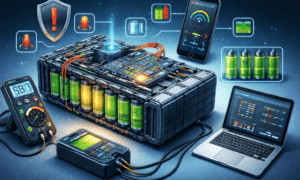
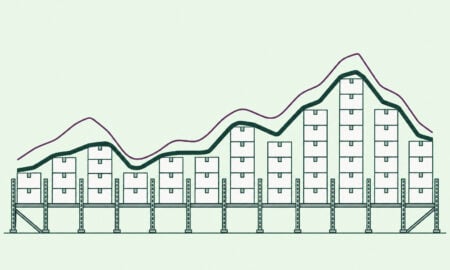
Battery energy storage systems (BESS) are batteries connected directly to the electrical grid that can charge during periods of low demand and discharge during periods of high demand. Think of them as massive shock absorbers that smooth out the gap between when electricity is produced and when it’s actually needed.
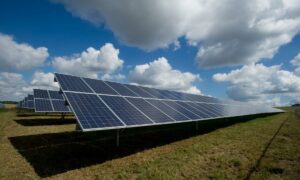
This timing problem is more important than people realize. Solar panels produce the most electricity in the middle of the day. Wind turbines often produce the most overnight. However, demand peaks in the late afternoon and early evening, when people come home, crank up the AC, and start cooking dinner. Without storage, the surplus from solar and wind just gets wasted, and the grid has to lean on natural gas plants to fill the gap.
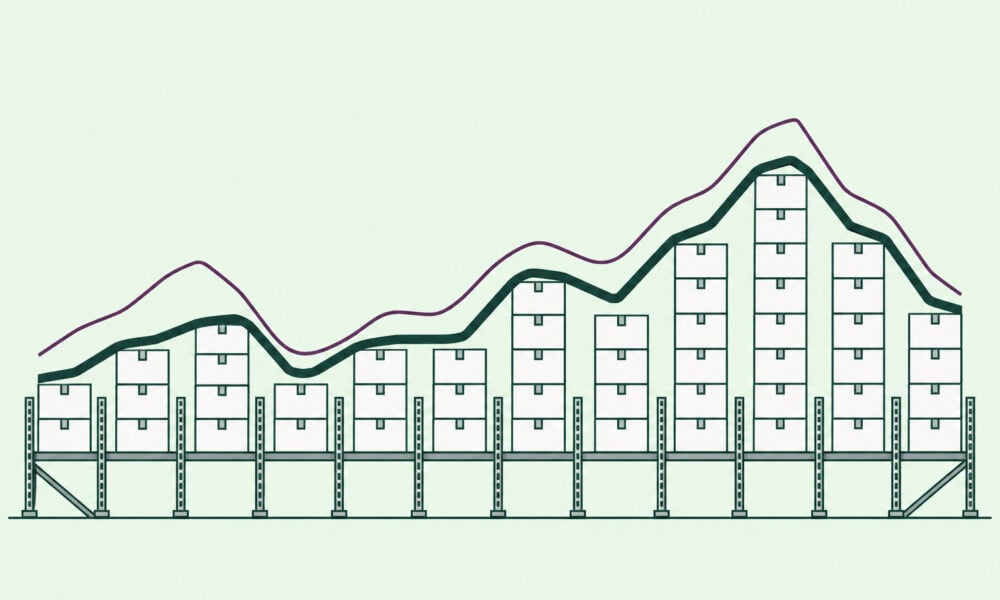
Batteries solve that mismatch. They capture the cheap, abundant power generated during off-peak hours and release it exactly when the grid needs it most.
Texas Is Now a National Leader
The numbers are genuinely staggering. Texas began 2026 with 13.9 gigawatts of commercially operational grid-scale battery storage, nearly doubling the fleet in a single year. More than 5,200 megawatts of new battery storage came online in 2025 alone, making batteries the single largest source of new grid capacity that year.
By July 2025, ERCOT recorded a new energy storage milestone when batteries discharged over 7,000 megawatts at once for the first time in history. That’s the equivalent of several large power plants’ worth of generation, all coming from technology that barely existed at this scale five years ago.
This rapid buildout has fundamentally changed what the grid can do. The same Texas grid that struggled during peak demand events in 2022 and 2023 has measurably more flexibility in 2026, and the trajectory continues upward.
Why ERCOT’s Market Made This Possible
Texas operates under an energy-only market design, which means generators get paid for the electricity they actually produce rather than for being available. Prices can spike dramatically when supply tightens, and drop just as dramatically when supply exceeds demand.
That price volatility is a problem for traditional power plants, but it’s exactly what makes battery storage profitable. Batteries can charge when prices are low and discharge when prices are high, capturing the spread between cheap and expensive hours. The Electric Reliability Council of Texas has actively supported this by implementing new market designs that optimize the dispatch of energy reserves, with the December 2025 launch of Real-Time Co-optimization Plus Batteries (RTC+B) as a major milestone.
The result is a market structure that incentivizes private investment in storage at a scale most other states haven’t been able to replicate.
What This Means for Texas Homeowners
The most immediate benefit for residential customers is improved reliability during the exact moments when electricity matters most. Battery storage has made the grid more resilient to heat waves, winter storms, and the kind of generation failures that caused the most damage in previous years.
The secondary benefit is price stability. By smoothing out the gap between cheap off-peak generation and expensive peak demand, batteries help moderate the wholesale price spikes that get passed through to retail customers on variable plans. Even fixed-rate customers benefit indirectly, because providers price their plans based on expected wholesale costs, and a more stable wholesale market makes for more competitive retail rates.
Over the longer term, the buildout supports a grid that can handle continued population growth, expanding industry, and the increasing electrification of transportation and heating without sacrificing reliability.
A Different Grid Than the One That Failed
The Texas grid in 2026 is not the grid that failed in February 2021. The combination of weatherization requirements, market reforms, and a massive battery storage buildout has created a fundamentally more resilient system. There are still challenges, and the next major weather event will be the real test of how far the improvements actually go.
The structural changes are real, the data backs them up, and the trajectory is moving in the right direction. Battery storage is a big part of why.