Power reliability is no longer something only large companies worry about. Over the past few years, rising electricity demand, severe weather events, grid instability, and remote work have changed how people think about backup power and energy resilience.
What used to be a niche topic for industrial facilities is now becoming part of everyday conversations among homeowners, small businesses, and technology professionals.
At the center of this shift is energy storage.
Modern battery systems are changing how energy is stored, managed, and used during outages or peak demand periods. Instead of relying entirely on fuel-based generators, many users are now turning toward battery-powered backup systems that provide silent operation, lower maintenance requirements, and better integration with renewable energy sources.
The Growing Need for Reliable Backup Power
Electricity demand continues to increase worldwide as homes and businesses become more dependent on connected devices, cloud services, smart appliances, and remote work infrastructure.
Even short outages can now create major disruptions:
- lost internet connectivity
- interrupted remote work
- security system failures
- spoiled refrigerated goods
- downtime for small businesses
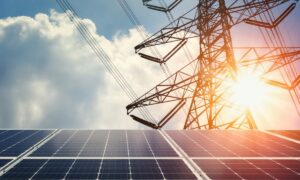
Grid pressure also continues to grow as more renewable energy sources are integrated into national power systems. While solar and wind generation offer major environmental advantages, they also create variability in electricity production. Energy storage helps balance these fluctuations by storing excess energy and releasing it when demand increases.
This is one reason battery energy storage systems are becoming increasingly important across both residential and commercial markets.
Why Battery Storage Is Replacing Traditional Backup Systems
For decades, gas generators were the standard solution for emergency backup power. They still play an important role in some situations, especially for very large loads or extended outages.
However, battery-based systems offer several advantages that appeal to modern users:
- Silent Operation
Traditional generators can be extremely loud, especially in residential environments. Battery systems operate almost silently, making them more practical for apartments, suburban homes, and indoor use.
- Lower Maintenance
Fuel generators require:
- oil changes
- fuel storage
- regular engine maintenance
- periodic testing
Battery systems eliminate many of these ongoing maintenance requirements.
- Indoor Safety
Battery-powered backup systems can typically operate indoors because they do not produce combustion fumes during use.
- Renewable Energy Integration
One of the biggest advantages of energy storage is compatibility with solar energy systems. Stored solar power can be used during outages, at night, or during periods of high electricity pricing.
This flexibility is one reason energy storage adoption continues to grow globally.
Understanding Modern Energy Storage Systems
Many people focus only on battery capacity when evaluating backup systems, but several factors determine real-world performance.
These include:
- inverter output
- battery chemistry
- charging speed
- cycle life
- efficiency
- scalability
A storage system’s total capacity determines how much energy it can store, while inverter power determines what devices it can actually run at the same time.
For example:
- a high-capacity battery with a weak inverter may struggle with refrigerators or power tools
- a powerful inverter with limited storage may only provide short runtime
Modern lithium iron phosphate (LiFePO₄) batteries are becoming increasingly common because they offer:
- long cycle life
- strong thermal stability
- improved safety
- lower long-term degradation
For users researching practical home backup setups, understanding portable solar generators and battery sizing is becoming increasingly important as residential energy storage adoption continues to grow.
Residential Energy Storage Is Becoming More Practical
One of the biggest misconceptions about home energy storage is that installation requires major renovations.
In reality, many modern residential systems are modular and relatively compact. Some plug-and-play systems require minimal installation, while larger whole-home systems may integrate directly into electrical panels.
The increasing accessibility of residential ESS (Energy Storage Systems) is helping accelerate adoption among homeowners looking for:
- outage protection
- lower electricity costs
- energy independence
- solar integration
Reliable internet access during outages is also becoming a major concern for remote workers and home offices. Many users are now exploring backup power solutions for WiFi and networking equipment to maintain connectivity during blackouts.
The Role of Energy Storage in the Future Grid
Energy storage is no longer viewed as just emergency backup.
It is becoming part of a larger shift toward smarter and more flexible energy infrastructure.
Large-scale battery systems already help:
- stabilize power grids
- reduce peak demand pressure
- improve renewable integration
- support microgrids
- provide backup for critical infrastructure
At the same time, residential systems are giving individual users greater control over how and when they use electricity.
Industry research continues to show that battery storage will play a central role in future energy systems as countries expand renewable generation and modernize aging grid infrastructure.
Recent power outage trends and grid reliability concerns have also increased public interest in energy resilience planning and blackout statistics and infrastructure reliability data.
Final Thoughts
Energy storage is rapidly moving from a specialized technology into a mainstream infrastructure solution.
As power reliability becomes increasingly important for homes, remote workers, and businesses, battery-based backup systems are becoming more practical, scalable, and accessible.
While traditional generators will still have their place, modern energy storage systems offer a quieter, cleaner, and more flexible approach to backup power — especially when combined with renewable energy.
Over the next decade, energy storage will likely become one of the most important technologies supporting both energy resilience and grid modernization worldwide.