
ABS Plastic Enclosures: The Smart Choice for Durable and Reliable Protection

Introduction
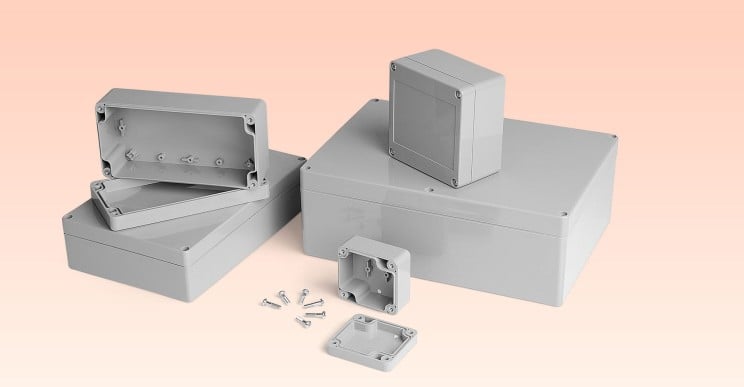
When it comes to protecting electrical and electronic equipment, choosing the right enclosure is very important. A high-quality abs plastic enclosure offers excellent protection against dust, moisture, impact, and daily wear. It is lightweight, cost-effective, and easy to customize, making it a popular choice across many industries.
Today, businesses use plastic enclosures in automation, telecommunications, medical devices, security systems, and consumer electronics. These enclosures provide a safe housing for sensitive components while keeping products organized and professional-looking.
In this guide, you will learn everything about ABS plastic enclosures, their advantages, common applications, and how to choose the right enclosure for your project.
What Is an ABS Plastic Enclosure?
An abs plastic enclosure is a protective casing made from Acrylonitrile Butadiene Styrene (ABS). This engineering plastic is known for its strength, durability, and excellent impact resistance.
ABS combines three important materials:
- Acrylonitrile for chemical resistance
- Butadiene for toughness
- Styrene for a smooth surface and easy processing
Because of these properties, ABS is one of the most widely used materials for manufacturing plastic enclosures.
These enclosures come in different sizes, shapes, and designs to fit various electronic devices and industrial equipment.
Why Choose ABS Plastic Enclosures?
Many industries prefer an abs plastic enclosure because it offers many practical benefits.
Excellent Impact Resistance
ABS can handle accidental drops and physical impacts better than many other plastics. This helps protect sensitive electronic components inside the enclosure.
Lightweight Design
Compared to metal housings, plastic enclosures are much lighter. This makes transportation, installation, and maintenance easier.
Cost-Effective Solution
ABS is affordable while still providing excellent durability. Businesses can reduce manufacturing costs without sacrificing quality.
Easy to Machine
ABS plastic can be drilled, cut, milled, and modified easily. This makes it perfect for custom projects that require holes, switches, displays, or cable openings.
Good Electrical Insulation
Since ABS is non-conductive, it helps improve electrical safety by preventing unwanted electrical contact.
Professional Appearance
ABS has a clean, smooth finish that can be painted, textured, or customized with company logos and labels.
Common Applications of Plastic Enclosures
Modern plastic enclosures are used in many industries because they offer dependable protection.
Some common applications include:
- Industrial control systems
- Electrical junction boxes
- IoT devices
- Medical equipment
- Home automation systems
- Security cameras
- Communication equipment
- Solar energy systems
- Laboratory instruments
- Consumer electronics
These enclosures protect valuable electronics while extending product lifespan.
Different Types of ABS Plastic Enclosures
Manufacturers produce many types of abs plastic enclosure designs to meet different needs.
Handheld Enclosures
These are designed for portable electronic devices such as remote controls, testing equipment, and handheld scanners.
Desktop Enclosures
Ideal for control panels, electronic testing equipment, and office devices.
Wall-Mounted Enclosures
Used for industrial automation, electrical controls, networking equipment, and security systems.
Waterproof Enclosures
These plastic enclosures include sealing gaskets that help protect electronics from water, dust, and outdoor weather conditions.
Junction Boxes
Widely used for electrical wiring and cable management in residential and commercial installations.
Benefits of Plastic Enclosures Compared to Metal
Many businesses compare metal enclosures with plastic enclosures before making a decision.
Here are some advantages of ABS plastic:
- No rust or corrosion
- Lightweight handling
- Better electrical insulation
- Lower production costs
- Easier customization
- Better appearance
- Lower shipping costs
While metal may be suitable for extreme industrial environments, ABS provides the ideal balance between durability, cost, and performance for most applications.
How to Choose the Right ABS Plastic Enclosure
Selecting the correct abs plastic enclosure depends on several important factors.
Size
Measure all internal electronic components carefully. Leave extra room for wiring, airflow, and future upgrades.
Indoor or Outdoor Use
Outdoor installations require weather-resistant plastic enclosures with proper sealing against rain and dust.
Protection Rating
Check the enclosure’s IP (Ingress Protection) rating.
Common ratings include:
- IP54
- IP65
- IP66
- IP67
Higher ratings offer better protection against dust and water.
Mounting Method
Choose from:
- Wall mount
- Desktop
- DIN rail
- Pole mount
- Panel mount
The mounting style should match your installation environment.
Customization Requirements
Some projects require:
- Display windows
- Push buttons
- Cable glands
- Ventilation slots
- Connector openings
ABS is easy to modify to meet these requirements.
Customization Options for ABS Plastic Enclosures
One major advantage of an abs plastic enclosure is its flexibility for customization.
Manufacturers can provide:
- CNC machining
- Laser engraving
- Screen printing
- UV printing
- Logo branding
- Custom colors
- Transparent covers
- Rubber seals
- Mounting brackets
- Internal PCB supports
These options help create a product that perfectly matches customer requirements.
Maintenance Tips for Plastic Enclosures
Proper maintenance helps plastic enclosures last for many years.
Follow these simple tips:
- Clean regularly using a soft cloth.
- Avoid harsh chemical cleaners.
- Inspect seals and gaskets.
- Tighten loose screws.
- Check for cracks after heavy impacts.
- Keep ventilation openings clear.
Routine maintenance improves reliability and extends equipment life.
Environmental Advantages of ABS Plastic
Many manufacturers now focus on sustainability.
ABS offers several environmental benefits:
- Long service life
- Reduced replacement frequency
- Recyclable material in many regions
- Lower transportation emissions due to lightweight design
Choosing durable plastic enclosures can reduce waste while lowering long-term costs.
Industries That Depend on ABS Plastic Enclosures
The versatility of the abs plastic enclosure makes it suitable for numerous industries.
Popular industries include:
- Manufacturing
- Automotive
- Renewable energy
- Telecommunications
- Agriculture
- Healthcare
- Marine equipment
- Smart home technology
- Transportation
- Consumer electronics
Each industry relies on durable plastic enclosures to keep sensitive equipment safe and operating efficiently.
Future Trends in Plastic Enclosures
As technology continues to evolve, enclosure designs are improving as well.
Future innovations include:
- Smart monitoring systems
- Improved UV-resistant materials
- Lightweight reinforced plastics
- Eco-friendly manufacturing
- Better waterproof sealing
- Modular enclosure designs
- Advanced customization technologies
These improvements will make abs plastic enclosure products even more reliable and versatile.
Conclusion
Choosing the right abs plastic enclosure is essential for protecting valuable electrical and electronic equipment. ABS offers an outstanding combination of strength, affordability, lightweight construction, and excellent impact resistance. Whether you need protection for industrial controls, medical devices, communication systems, or consumer electronics, modern plastic enclosures provide dependable performance in a wide range of environments.
By selecting the proper size, protection rating, and customization options, businesses can improve equipment safety, reduce maintenance costs, and extend product lifespan. As industries continue to grow and technology advances, the demand for durable and reliable plastic enclosures will only continue to increase, making ABS one of the smartest materials for enclosure solutions.







Comment