This guide breaks down what AI search optimization actually means, why it matters, and how to improve brand visibility in ChatGPT and similar platforms without relying on outdated SEO tricks.
What Is AI Search Marketing?
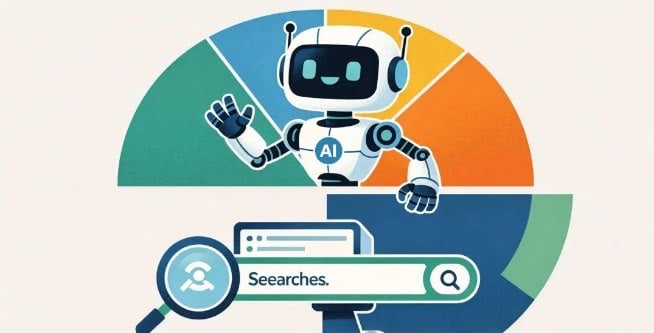
AI search marketing is the practice of structuring your content, data, and online presence so that AI models can understand, trust, and recommend your brand. Unlike traditional SEO, which optimizes for ranking algorithms and click-through rates, AI search marketing optimizes for being cited as an answer.
AI platforms like ChatGPT don’t crawl a live results page. They rely on training data, retrieval systems, and real-time web sources to generate answers. If your brand isn’t clearly represented across trustworthy, well-structured sources, the AI simply won’t know you exist.
Why Brand Visibility in AI Platforms Matters Now
- Millions of users now research products and services directly through AI chat tools instead of search engines
- AI-generated answers often skip traditional websites entirely, going straight to a recommendation
- Being mentioned by name in an AI response builds instant credibility with the user
- Early movers in AI search optimization gain a visibility advantage before the space gets saturated
Brands that show up when someone asks “what’s the best option for X” gain trust before the customer even visits a website.
How AI Search Optimization Works
1. Structured, Answer-First Content
AI models favor content that answers a question clearly and immediately, rather than burying the answer under long introductions. Every page should open with a direct answer, followed by supporting detail.
2. Strong E-E-A-T Signals
Experience, Expertise, Authoritativeness, and Trustworthiness remain central, even for AI-driven search. AI systems are trained to weigh trusted sources more heavily, so brands need:
- Author bios with real credentials
- Original research, data, or first-hand insights
- Transparent business information (About page, contact details, policies)
- Consistent brand mentions across reputable third-party sites
3. Structured Data and Schema Markup
Schema markup helps machines understand what your content means, not just what it says. FAQ schema, Article schema, and Organization schema all make it easier for AI systems to parse and reuse your content accurately.
4. Digital PR and Mentions Across the Web
AI models pull signals from across the internet, not just your own site. Getting featured on industry publications, being quoted in articles, or appearing in comparison roundups increases the chances of being recognized as an authority in your niche.
5. Clear, Consistent Brand Information
Inconsistent business names, outdated addresses, or conflicting details across platforms confuse both search engines and AI models. Keeping your brand information consistent across your website, directories, and social profiles strengthens AI trust in your data.
Practical Steps to Improve Brand Visibility in ChatGPT
- Publish original, well-researched content instead of generic rewrites
- Answer common customer questions directly, in plain language
- Build genuine backlinks from respected publications in your industry
- Keep your website’s technical SEO clean so AI crawlers can access content easily
- Maintain active, verified profiles on platforms AI tools often reference, such as Wikipedia, LinkedIn, and industry directories
- Monitor how your brand currently appears in AI tools by asking ChatGPT and similar platforms directly about your niche
AI Search vs Traditional SEO: Key Differences
Traditional SEO focuses on ranking a page. AI search optimization focuses on being the source an AI model chooses to reference or paraphrase. Both share a foundation: technical health, quality content, and authority, but AI search rewards clarity, originality, and trustworthiness even more heavily, since there’s no results page for users to compare options themselves.
FAQs
Does ChatGPT pull information directly from Google search results?
Not directly. ChatGPT and similar tools use a mix of training data and, in some cases, live web browsing or retrieval features, depending on the platform and settings.
Can small businesses compete with big brands in AI search visibility?
Yes. Niche expertise, original content, and strong topical authority often matter more to AI models than sheer brand size.
Is traditional SEO still necessary if I focus on AI search optimization?
Absolutely. Strong technical SEO and quality content are the foundation that both traditional search engines and AI platforms rely on.
How long does it take to see results from AI search optimization?
Since this is an emerging field, timelines vary, but consistent content quality and authority-building typically show results within a few months.
What’s the easiest first step for improving AI visibility?
Start by publishing clear, well-structured answers to the exact questions your customers are already asking.
Final Thoughts
AI search marketing isn’t replacing SEO; it’s expanding it. Brands that invest in clarity, authority, and genuine expertise today are positioning themselves to be the trusted answer tomorrow, whether that answer comes from Google, ChatGPT, or whatever platform comes next.