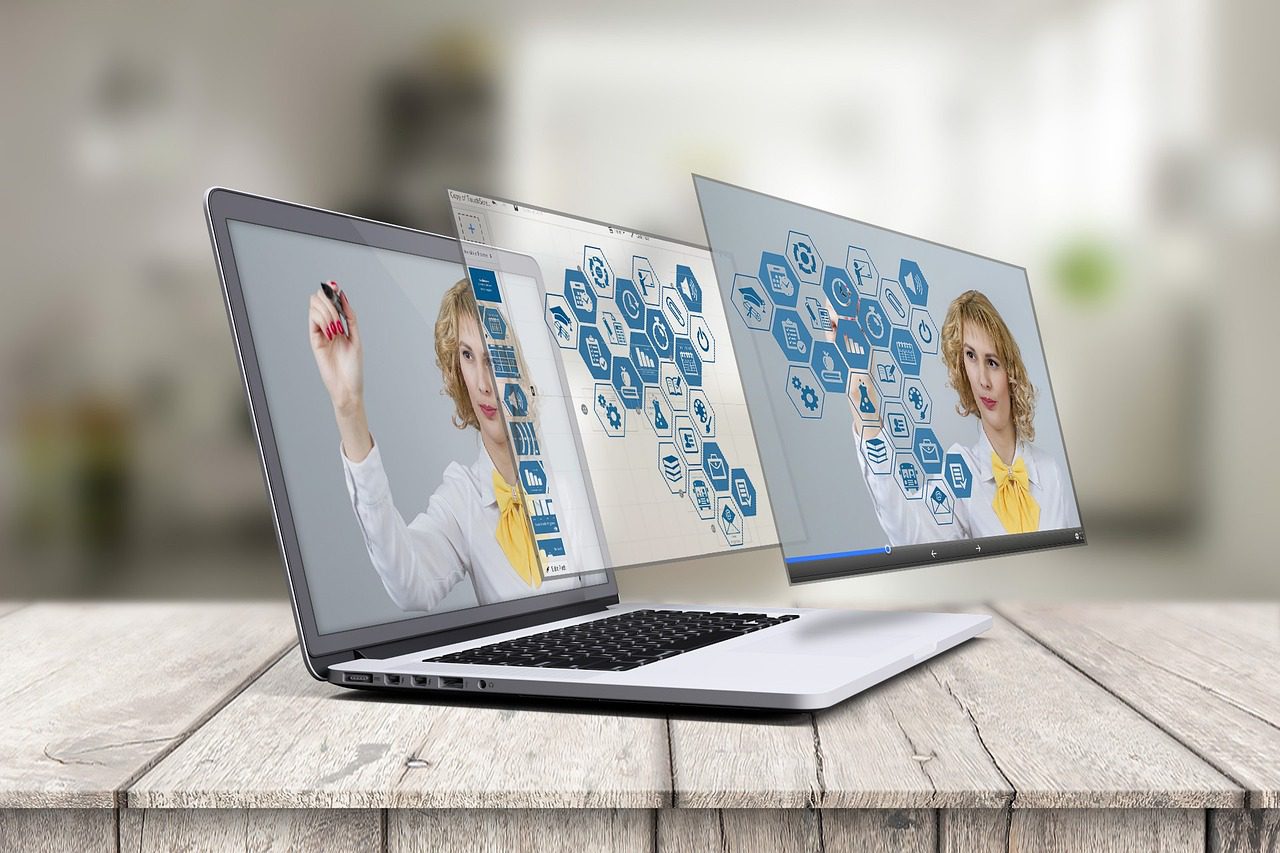
Digital innovation continues to shape everyday life, and among the most captivating advancements is hologram technology. This dynamic field merges science fiction with practical solutions, ranging from mesmerizing 3D virtual representation to impactful security applications. The allure of holographic products grows steadily, capturing the imagination while meeting specific needs. Today, creators and businesses deploy cutting-edge holographic films, advanced image formation methods, and inventive uses of optical fibers to push boundaries further. As society moves deeper into an era defined by visuals and interactivity, a closer look at holograms highlights both their magical appeal and grounded utility.
This article examines how hologram technology influences marketing, security, and entertainment. It also explores the mechanics behind image formation and the materials used to achieve compelling effects. Finally, it addresses the rising importance of holographic labels, evolving consumer perceptions, and key trends shaping the digital future.
Understanding hologram technology and its foundations
To fully appreciate the evolution of hologram technology, it is essential to understand how 3D images are crafted and presented. For those interested in the business side, there are hologram solutions for brands and businesses that demonstrate how this technology is applied in real-world scenarios. At its core, this technology relies on light interference and specialized recording techniques to create visuals that appear three-dimensional and lifelike. Advances have focused on improving clarity, depth, and realism, making these illusions more convincing than ever before.
Progress in material science has played a crucial role, blending insights from optics, photonics, and computer graphics. Many organizations now rely on a professional hologram technology provider to access the latest advancements. The journey from early laser-based images to today’s vibrant, interactive displays has become a central topic in both research and industry circles.
How does image formation in holography work?
The creation of holographic products begins with the precise manipulation of light waves. Engineers split a single beam into object and reference parts, generating a complex interference pattern full of visual data. This pattern is recorded on photosensitive surfaces and later illuminated to reconstruct a convincing 3D virtual representation.
This process delivers unique benefits compared to flat visuals. Subtle shifts in viewpoint reveal hidden details, offering an interactive experience that traditional graphics cannot match. Recent miniaturization and digital refinement have made these solutions even more adaptable for various environments.
Materials driving holographic innovation
The choice of materials dramatically affects the sharpness, brightness, and durability of each hologram. Modern holographic films often use high-performance polymers or glass, capable of preserving intricate patterns and resisting daily wear. These films now play vital roles beyond art—appearing in packaging, secure documents, and display cases across industries.
Optical fibers have become indispensable within advanced systems, channeling light efficiently between projectors and viewing areas. Their flexibility supports new installation concepts while maintaining energy efficiency. The ongoing fusion of chemical expertise and futuristic engineering ensures steady progress year after year.
Marketing applications and visual storytelling
Today, hologram technology is no longer limited to labs or movie studios. Marketers, event coordinators, and creatives use it to craft unforgettable brand experiences and immersive demos. The novelty of holography draws crowds, sparks curiosity, and fosters emotional connections.
Retailers might launch products using holographic products that customers can explore virtually, while events feature live holographic projections combining sound and motion for maximum impact. Engagement rates soar as audiences witness objects suspended midair—a phenomenon unmatched by conventional screens.
- Interactive holographic displays for retail environments ;
- Virtual spokespersons guiding guests at exhibitions ;
- Large-scale stage shows with moving holograms ;
- Promotional materials featuring holographic labels.
These innovations turn passive viewers into active participants. Customers leave not just informed but genuinely excited, often sharing their experiences online. In competitive markets, such striking visuals help brands stay memorable and relevant.
Security solutions: protecting against counterfeiting
Beyond spectacle, hologram technology plays a critical role in document security and authentication. Financial institutions, governments, and manufacturers increasingly trust holographic labels and stamps to protect valuable items. These multi-layered markers offer robust verification, making them nearly impossible for counterfeiters to duplicate convincingly.
Each label may include microtext, color-shifting elements, and animated effects. Under different lighting, hidden codes or patterns confirm authenticity. The widespread adoption of holographic films on banknotes, passports, and luxury goods reflects growing demand for effective anti-fraud tools.
Types of holographic labels and films
Security holograms for official documentation
This category includes seals attached to currency, IDs, and certificates. Often featuring custom logos or overt designs, they build trust and provide tamper evidence, making unauthorized changes immediately apparent.
Technological advances have led to machine-readable tags, merging classic holography with QR codes and barcodes for rapid scanning. Integration into smart logistics helps organizations track assets securely and deter threats.
Promotional holography in packaging and branding
Outside security contexts, holographic labels and films serve as vibrant decorations for boxes, bottles, and product wrappers. Shifting colors and shimmering icons attract attention from afar, signaling creativity and quality.
Manufacturers choose peel-off stickers, wrap-around sleeves, or adhesive seals, each customizable for specific campaigns. Eye-catching packaging encourages trial and boosts recall through playful novelty.
The role of optical fibers and display hardware
At the heart of many display platforms are ultra-thin optical fibers that transmit focused light reliably over varying distances. Their inclusion allows devices to remain compact and portable, suitable for diverse installations indoors and out. Brightness and clarity stay consistent even under challenging lighting conditions.
Combined with transparent screens and layered projection surfaces, designers create rich, volumetric scenes visible from multiple angles. These systems support educational displays, medical simulations, and engaging showroom presentations.
Emerging directions in the digital future
Remote collaboration and telepresence
The shift toward remote work highlights fresh opportunities for 3D virtual representation. Holographic presence enables colleagues worldwide to appear together in realistic form, complete with gestures and facial expressions. This deepens engagement and bridges gaps left by standard video calls.
Developers explore wearable interfaces and mixed-reality glasses to heighten immersion. Ongoing improvements in bandwidth, compression, and sensor fidelity promise smoother, more natural collaboration for distributed teams.
Consumer adoption and blended realities
As affordable hardware becomes widespread, individuals experiment with hologram technology for gaming, home entertainment, and creative pursuits. Mainstream integration leads consumers to expect adaptive, interactive interfaces throughout daily routines—not just during special occasions.
Rising popularity fuels demand for standardized formats and intuitive authoring tools, reducing technical barriers for hobbyists and educators. Blended reality scenarios—mixing overlays, gestures, and custom environments—are transitioning from novelty to necessity.
Challenges and outlook for the holographic ecosystem
No analysis of hologram technology would be complete without considering current challenges. Key issues include production costs, compatibility across device generations, and balancing high resolution with reasonable power consumption.
Widespread adoption depends on resilient supply chains and strong partnerships among material scientists, software experts, and creative visionaries. Sustainability is gaining importance, prompting exploration of recyclable holographic films, low-energy light sources, and waste-reducing manufacturing methods.
Where is hologram technology headed next ?
Technological maturity points to broader adoption in the near future. Focus is shifting toward seamless multimedia integration, hyper-realistic visuals, and deeper sensory engagement across consumer, commercial, and institutional domains. Developers aim to make holographic displays thinner, brighter, and scalable for both large venues and personalized setups.
This fusion of artistry and engineering marks a profound transformation in how information is experienced and shared. Through evolving combinations of holographic films, optical fibers, and user-friendly content creation tools, tomorrow’s innovators will captivate, educate, and protect audiences in ways previously unimaginable.