Digital evidence is gaining increasing significance in the digital age in the investigation of cybercrimes, corporate security audits, and legal cases. You are a startup cybersecurity company, a law enforcement department, a university laboratory or an independent investigator, but you must begin with a forensic lab starter kit to be in a position to make professional and legally-defensible investigations.
It is a comprehensive manual concerning what a forensic lab starter kit is, why it is required and how to choose the right parts to suit your need.
What Is a Forensic Lab Starter Kit?
A forensic lab starter kit is a well-chosen set of hardware, software, tools and processes that enable the professional to start with the digital forensic investigations safely and effectively.
It typically includes:
- High-performance forensic workstation
- Write blockers
- Forensic imaging tools
- Evidence storage solutions
- Forensic software
- Chain-of-custody documentation tools
- Basic lab setup equipment
The objective is to ensure that the digital evidence is collected, stored, analyzed, and reported without any contamination and legal issues.
Why You Need a Forensic Lab Starter Kit
Digital evidence is extremely sensitive. When it is mishandled, it may not be admissible in a court of law. A well-set up forensic lab starter kit guarantees:
- Evidence integrity
- Legal compliance
- Professional reporting standards
- Efficient workflow
- Secure data handling
Even minor errors can destroy a whole investigation without the appropriate tools.
Critical Elements of a Forensic Laboratory Starter Kit.
1. Forensic Workstation
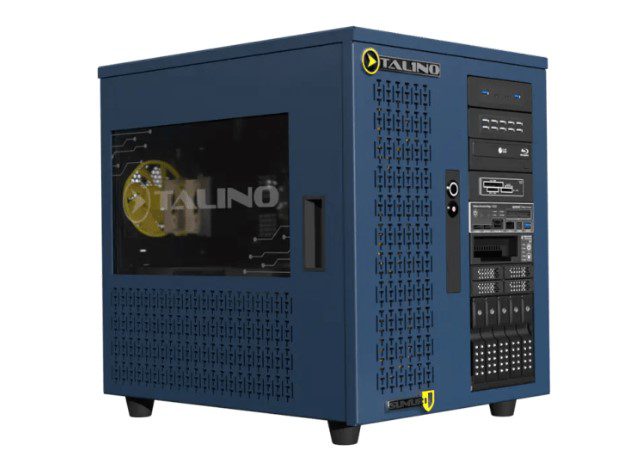
The main part of any forensic lab is a powerful workstation. It should include:
- Multi-core processor (Intel i7/i9 or AMD equivalent)
- Minimum 32GB RAM (64GB recommended)
- Multiple drive bays
- SSD for OS and software
- GPU (optional but helpful for advanced analysis)
The workstation has to be dedicated to forensic analysis and should not be used in the general network.
2. Write Blockers (Hardware & Software)
Write blockers prevent accidental modification of evidence drives.
Types include:
- SATA write blockers
- USB write blockers
- NVMe write blockers
This is one of the most critical tools in any forensic lab starter kit.
3. Forensic Imaging Tools
Imaging tools create exact bit-by-bit copies of storage devices. Popular tools include:
- FTK Imager
- Magnet ACQUIRE
- Guymager
- EnCase Imager
A proper forensic lab starter kit always includes reliable imaging solutions to maintain forensic soundness.
4. Digital Evidence Storage
Secure storage is essential for maintaining chain of custody. You need:
- Encrypted external drives
- NAS storage with access controls
- RAID configuration for redundancy
- Evidence lockers (physical security)
Data security and compliance are non-negotiable in forensic environments.
5. Forensic Analysis Software
Software tools help investigators extract and analyze digital evidence.
Common categories include:
- Disk analysis tools
- Mobile forensics software
- Memory analysis tools
- Network forensics tools
- Password recovery tools
Select software, depending on your area of interest in investigation: corporate investigation, criminal cases, academic investigation, or personal digital investigation.
6. Chain of Custody Documentation
Documentation ensures legal defensibility.
A forensic lab starter kit should include:
- Evidence intake forms
- Chain-of-custody logs
- Tamper-evident bags
- Case management software
- Standard operating procedures (SOPs)
Without proper documentation, evidence can be challenged in court.
7. Basic Lab Infrastructure
Even a small forensic lab requires:
- Anti-static mats
- Faraday bags (for mobile devices)
- Clean desk environment
- CCTV for evidence handling
- Access control system
Security and professionalism increase credibility and trust.
How to Choose the Right Forensic Lab Starter Kit
Before purchasing equipment, consider:
✔ Investigation Type
- Criminal investigations
- Corporate incident response
- Academic research
- Private consultancy
✔ Budget
Starter kits can range from basic setups to high-end enterprise labs.
✔ Scalability
Choose hardware and software that can scale as your workload grows.
✔ Compliance Requirements
Ensure your lab aligns with:
- Local legal standards
- Court admissibility requirements
- Data protection laws
Benefits of Investing in a Professional Forensic Lab Starter Kit
- Faster case resolution
- Improved evidence accuracy
- Enhanced credibility
- Better reporting standards
- Higher client trust
Professional tools reduce errors and improve efficiency dramatically.
Common Mistakes to Avoid
When building a forensic lab starter kit, avoid:
- Using regular PCs for forensic work
- Skipping write blockers
- Ignoring chain-of-custody documentation
- Using pirated forensic software
- Failing to secure evidence storage
Cutting corners can damage reputation and legal standing.
Future of Digital Forensic Labs
With the rise of:
- Cloud forensics
- AI-driven investigations
- Cryptocurrency analysis
- IoT device forensics
The development of modern forensic laboratories should be the continuous one. An effective forensic laboratory starter package must be able to be upgraded and adapted to new technologies.
Final Thoughts
A forensic lab starter kit is not only hardware and software but the basis of professional digital investigations. Be it a cybersecurity company, opening a forensic consultancy, or providing a law enforcement department, the investment in the appropriate tools will provide accuracy, credibility, and legal adherence.
To be serious about digital investigations, begin with a structured and scalable forensic lab starter kit – and build your lab the right way the first time.