
Folding Bikes vs. Traditional Bikes: Which Wins for City Travel?

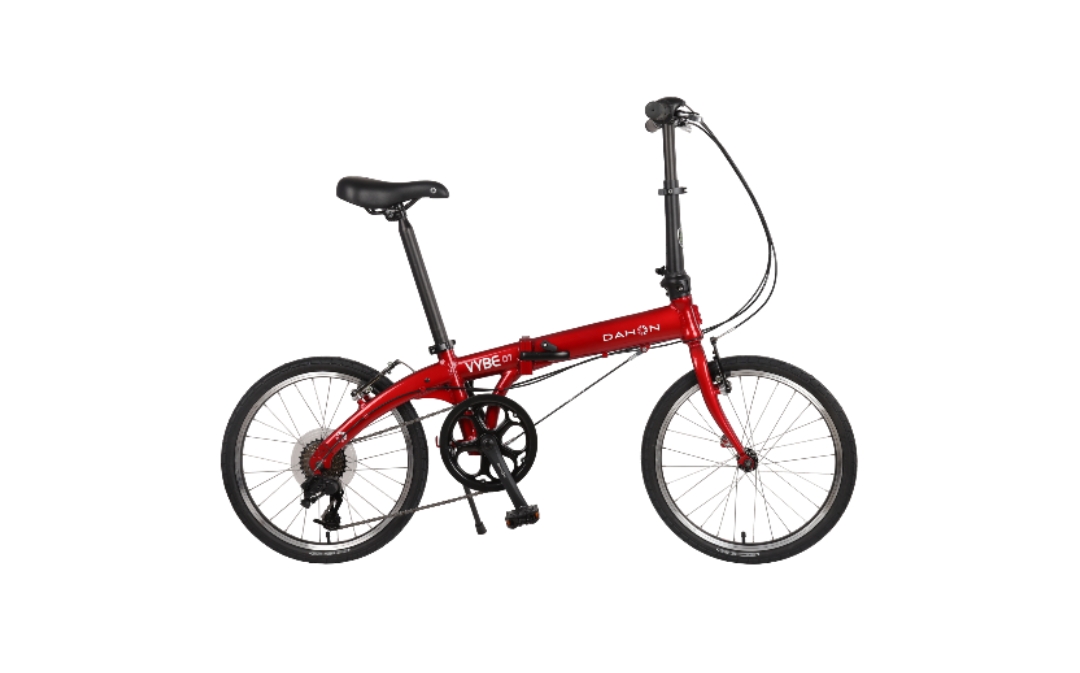
Urban cycling has exploded in popularity over the past decade, transforming how millions of commuters navigate city streets. As traffic congestion worsens and environmental consciousness grows, more professionals are ditching their cars for two wheels. But here’s the dilemma: should you invest in a folding bike or stick with a traditional bicycle? This question divides commuters daily, each option promising distinct advantages. Folding bikes offer remarkable convenience and space-saving benefits, seamlessly integrating with public transportation for hybrid commutes. Traditional bikes deliver superior performance and stability, trusted by cyclists for generations. The choice hinges on several critical factors including your commute distance, available storage space, budget constraints, and personal riding preferences. Understanding how these bikes compare across convenience, cost, and performance will help you make the right decision for your urban lifestyle. Let’s explore which option truly wins for city travel.
The Rise of Urban Cycling and Bike Choices
Urban cycling has become a transformative solution for modern city commuting, driven by increasing traffic congestion, rising fuel costs, and growing environmental awareness. Cities worldwide are investing in cycling infrastructure, from dedicated bike lanes to secure parking facilities, making two-wheeled commuting more accessible than ever. This surge in popularity has created a diverse market of bicycles tailored to different commuting needs. Professionals and urban dwellers now face a critical decision: choosing between folding bikes and traditional bikes for their daily travels. Both options have carved out significant niches in the commuting landscape, each appealing to different priorities and lifestyles. Folding bikes represent innovation and adaptability, designed specifically for the constraints of city living where space and flexibility matter most. Traditional bikes embody reliability and proven performance, trusted by cyclists across generations for their robust engineering and dependable handling. The choice between these two categories depends heavily on individual circumstances and commuting patterns. Understanding the strengths and limitations of each option empowers commuters to select a bicycle that genuinely fits their lifestyle, ensuring they invest in reliable transportation that enhances rather than complicates their daily journey through urban environments.
Folding Bikes: Compact Solutions for City Commuters
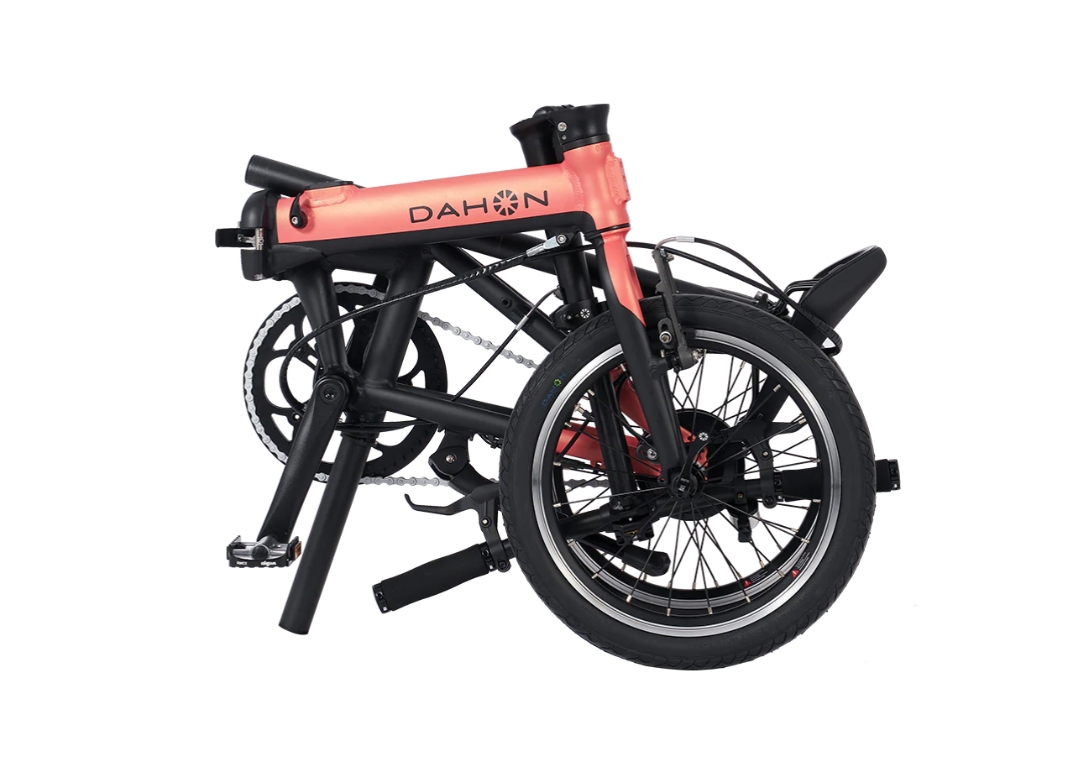
Folding bikes represent a revolutionary approach to urban transportation, engineered specifically for commuters who value flexibility and space efficiency. These bicycles feature ingenious hinged frames and collapsible components that compress into a remarkably compact form, typically measuring around 25-30 inches when folded. The design philosophy behind folding bikes addresses a fundamental challenge of city living: where to store and transport your bicycle when not riding. Unlike traditional bikes that demand dedicated wall space or bulky storage solutions, folding bikes slip into closets, under desks, or car trunks with ease. This portability transforms your commuting possibilities, enabling seamless integration with public transportation systems. Many urban commuters combine folding bikes with trains or buses, solving the last-mile problem that makes public transit impractical for longer distances. Pioneering manufacturers like DAHON Bicycles have spent decades perfecting folding mechanisms that deploy in seconds, making them ideal for dynamic city schedules. Beyond storage convenience, folding bikes address security concerns that plague traditional bicycle owners. Their compact nature makes them easier to carry into office buildings or secure in crowded transit stations, significantly reducing theft risk. For professionals juggling multiple transportation modes throughout their day, folding bikes deliver the reliability and adaptability that modern commuting demands.
Key Advantages of Folding Bicycles in Urban Settings
Folding bikes excel in space-saving design, transforming from full-sized bicycles into portable packages that fit under desks, in car trunks, or apartment closets. The quick folding mechanisms on modern models require minimal effort, typically collapsing within 10-15 seconds without tools. This portability directly addresses urban commuters’ storage challenges, particularly for apartment dwellers with limited space. Security represents another significant advantage; carrying your bike inside eliminates theft concerns that plague cyclists in busy city centers. The ability to combine folding bikes with public transportation creates hybrid commuting options that traditional bikes cannot match, allowing commuters to travel farther distances efficiently. For professionals managing multiple destinations throughout their day, this flexibility proves invaluable.
Potential Drawbacks to Consider
Despite their advantages, folding bikes present certain tradeoffs that merit consideration. The smaller wheel sizes common in folding designs can impact ride comfort on rough urban terrain, though modern engineering has significantly improved this aspect. Speed capabilities typically lag behind traditional bikes due to the compact frame geometry and lighter construction, making them less suitable for commuters prioritizing rapid travel. The initial investment in quality folding bikes can exceed traditional bicycles, though this premium reflects their innovative design and durability. Additionally, repeated folding and unfolding may require occasional maintenance to keep hinges functioning smoothly, adding a minor upkeep responsibility that traditional bikes don’t demand.
Traditional Bikes: The Classic Approach to Urban Cycling
Traditional bikes have remained the gold standard for urban cycling, earning their reputation through decades of proven reliability and consistent performance. These bicycles feature rigid frames, standard wheel sizes typically ranging from 26 to 29 inches, and established designs that have been refined through generations of cycling innovation. For urban commuters, traditional bikes offer a familiar and dependable solution that requires minimal learning curve, particularly for experienced cyclists. The robust engineering of conventional bicycles translates directly into stable handling, responsive braking, and efficient power transfer with every pedal stroke. Many professionals choose traditional bikes specifically because they deliver predictable performance across varied urban terrain, from smooth asphalt to occasional gravel paths. The extensive aftermarket support for traditional bikes means commuters can easily find replacement parts, upgrade components, and customize their rides to match specific needs. This accessibility and reliability make traditional bikes an attractive option for commuters prioritizing performance and long-term durability. While they lack the space-saving convenience of folding alternatives, traditional bikes compensate with superior ride quality and the confidence that comes from riding a time-tested design. For commuters who value consistent performance and don’t face severe storage constraints, traditional bikes remain the preferred choice for daily urban transportation.
Strengths in Performance and Stability
Traditional bikes excel in delivering superior handling and stability, crucial for navigating busy city streets with confidence and control. The larger wheel sizes provide better momentum maintenance and smoother rolling over urban obstacles like potholes and curbs, significantly improving ride comfort during daily commutes. The rigid frame geometry of conventional bicycles enables faster acceleration and higher top speeds, allowing commuters to move efficiently through traffic and cover longer distances quickly. The proven suspension systems and braking technology on quality traditional bikes provide reliable stopping power in emergency situations, essential for safety in congested urban environments. Commuters benefit from the extensive gear range available on traditional bikes, enabling them to tackle hills and varying terrain without excessive physical exertion. The stable platform these bikes provide builds rider confidence, particularly important for professionals managing multiple stops throughout their day.
Challenges in Urban Environments
Despite their performance advantages, traditional bikes present practical challenges for urban commuters facing space constraints. Storage becomes problematic in apartments or small offices where wall-mounted racks consume valuable space, forcing many commuters to compromise on convenience. The bulky nature of traditional bikes makes them difficult to carry on public transportation, limiting hybrid commuting options that modern urban professionals increasingly require. Theft represents a significant concern, as traditional bikes are more visible and attractive targets when locked outside, requiring expensive security solutions and creating ongoing anxiety for commuters. The inability to bring traditional bikes into secure indoor spaces like offices or transit stations means relying on external locks, which many cyclists find inadequate. Additionally, transporting traditional bikes in vehicles requires roof racks or trunk-mounted solutions that complicate spontaneous trips and reduce overall flexibility for dynamic city schedules.
Head-to-Head Comparison: Key Factors for City Travel
When deciding between folding and traditional bikes for urban commuting, examining how each performs across practical criteria reveals distinct advantages for different situations. Convenience and portability form the cornerstone of this comparison, as urban commuters constantly juggle multiple transportation modes and limited storage space. Folding bikes dominate this category with their ability to compress into compact packages, while traditional bikes sacrifice flexibility for superior performance on varied terrain. Performance metrics matter significantly for commuters covering longer distances or navigating challenging urban landscapes, where traditional bikes deliver faster speeds and more stable handling. Cost considerations extend beyond initial purchase price to include maintenance expenses, durability expectations, and long-term value proposition. Accessories play a crucial role in enhancing both bike types, from security solutions addressing theft concerns to comfort upgrades that improve daily riding experiences. Safety features and reliability directly impact commuter confidence and satisfaction with their chosen bicycle. Understanding how these factors align with your specific commuting patterns empowers you to make a decision that genuinely improves your urban cycling experience. The winner ultimately depends on prioritizing what matters most for your daily travels: maximum portability and flexibility, or consistent performance and speed. Most urban professionals find success by honestly assessing their commute distance, storage constraints, and performance expectations before making their selection.
Convenience and Portability
Folding bikes deliver unmatched convenience for commuters managing multiple transportation modes throughout their day. Their ability to collapse into compact forms means you can carry them onto trains, buses, or store them under office desks without consuming valuable space. Traditional bikes, while offering superior ride quality, remain stationary and bulky, requiring dedicated storage solutions and making hybrid commuting impractical. For professionals combining cycling with public transit, folding bikes eliminate the last-mile problem that makes traditional bikes inconvenient. The quick deployment of folding models means you can transition seamlessly between transportation methods without time-consuming setup procedures. However, traditional bikes offer their own convenience advantage: once deployed, they require no assembly or adjustment before riding, providing immediate accessibility for spontaneous trips throughout the city.
Performance and Accessories for Enhanced Commuting
Traditional bikes excel in performance delivery, offering faster acceleration, higher top speeds, and superior handling stability that commuters appreciate on longer urban routes. Their larger wheels roll more efficiently over obstacles and maintain momentum better than folding bike counterparts. Folding bikes compensate through innovative design improvements that have narrowed the performance gap considerably in recent years. Both bike types benefit tremendously from strategic accessories that enhance functionality and comfort. Quality locks and security systems protect your investment regardless of bike choice, while lights and reflective gear improve visibility during early morning or evening commutes. Comfortable saddles, ergonomic grips, and suspension upgrades enhance ride quality on both platforms. Cargo bags and baskets expand carrying capacity, making commuting more practical for professionals managing work materials or personal items. Fenders and mudguards protect clothing from road spray, while chain guards maintain cleanliness during daily travels.
Cost and Long-term Value
Initial investment differs significantly between these options, with quality folding bikes often commanding premium prices reflecting their innovative engineering and compact design sophistication. Traditional bikes typically offer more budget-friendly entry points, though high-performance models can rival folding bike costs. Maintenance expenses favor traditional bikes, as their simpler mechanisms and established repair networks reduce long-term service costs. Folding bikes require occasional hinge maintenance and specialized adjustments that may demand professional servicing, adding modest ongoing expenses. Durability considerations suggest traditional bikes offer superior longevity when properly maintained, with many lasting decades of reliable service. Folding bikes, while durable, may experience wear on hinged components through repeated use. For commuters planning multi-year ownership, traditional bikes typically deliver better cost-per-mile value despite higher performance capabilities. However, folding bikes justify their premium through convenience benefits that reduce stress and expand commuting flexibility, offering intangible value that extends beyond simple cost calculations.
Making the Right Choice: Solutions for Commuters
Selecting between folding and traditional bikes requires honest assessment of your specific commuting circumstances rather than relying on general preferences. Start by evaluating your daily route: commuters covering short distances under three miles with limited storage space benefit tremendously from folding bikes, while those tackling longer routes through varied terrain may prioritize traditional bikes’ superior performance. Consider your storage situation realistically—apartment dwellers with closet space constraints find folding bikes transformative, whereas homeowners with garage access can comfortably accommodate traditional bicycles. Budget plays a crucial role in this decision; determine your investment capacity and factor in long-term maintenance costs, as traditional bikes typically require less specialized servicing. Test ride both options before committing, experiencing firsthand how each handles your local terrain and riding style. Assess your commuting patterns honestly: do you combine cycling with public transportation, or does your bike handle your entire journey? Professionals managing multiple destinations throughout their day gain exceptional value from folding bikes’ flexibility, while those following consistent daily routes maximize traditional bikes’ performance advantages. Research reliable brands known for durability and customer support, ensuring your investment delivers years of dependable service. Evaluate essential accessories you’ll need—security solutions, lights, and cargo capacity—as these enhance functionality regardless of bike type. Finally, consider the intangible factors: which option reduces commuting stress and increases your enthusiasm for cycling? The right choice aligns perfectly with your lifestyle, making urban travel more enjoyable and sustainable long-term.
Step-by-Step Decision Guide
Begin by mapping your typical commute route and measuring the distance to establish baseline performance requirements. Next, assess your available storage space at home and work, determining whether a full-sized bicycle fits comfortably or if compact storage becomes essential. Visit local bike shops and request test rides on both folding and traditional models that match your budget range, spending at least 15-20 minutes on each to evaluate comfort and handling. During test rides, pay attention to acceleration, braking response, and how the bike handles turns and obstacles common in your area. Evaluate your public transportation usage: if you regularly combine cycling with buses or trains, prioritize folding bikes’ integration capabilities. Calculate your total budget including purchase price, maintenance costs over three years, and necessary accessories like locks and lights. Research brand reputation through customer reviews and local cycling communities, identifying models known for reliability and durability. Consider seasonal variations in your commute, ensuring your chosen bike performs adequately year-round. Finally, make your decision based on which option addresses the majority of your commuting needs while minimizing compromises on factors you value most.
Accessorizing for Optimal Urban Cycling
Essential accessories transform either bike type into a complete commuting solution tailored to urban conditions. Security remains paramount; invest in sturdy U-locks and cable systems that deter theft, with folding bike owners benefiting from carrying bikes indoors. High-visibility lights prevent accidents during early morning or evening commutes, with front and rear options available for both bike types. Comfortable saddles reduce fatigue on longer routes, while ergonomic grips minimize hand strain during stop-and-go city cycling. Fenders and mudguards protect your clothing from road spray, essential for professionals maintaining a polished appearance. Cargo solutions like panniers, baskets, or backpack-compatible designs expand carrying capacity for work materials or personal items. Chain guards keep your clothes clean while protecting the drivetrain from damage. Consider weather protection through rain covers for storage or commute periods. Performance upgrades like quality brakes, smooth-shifting components, and durable tires enhance reliability across both platforms. Reflective tape and spoke reflectors boost visibility without adding significant weight or cost.
Finding Your Perfect Urban Commute Solution
The choice between folding bikes and traditional bikes ultimately depends on your individual commuting circumstances rather than which option objectively “wins” for city travel. Folding bikes excel in portability and convenience, transforming how urban professionals integrate cycling with public transportation and manage limited storage spaces. Their innovative design solves real problems for apartment dwellers and commuters juggling multiple transportation modes throughout their day. Traditional bikes deliver superior performance and stability, offering faster speeds, better handling on varied terrain, and proven durability that appeals to commuters prioritizing consistent ride quality. The winner for your specific situation emerges when you honestly assess your commute distance, available storage space, budget constraints, and performance expectations. A professional combining cycling with train commutes over three miles benefits tremendously from a quality folding bike’s flexibility and portability. Conversely, someone with a dedicated five-mile daily route and garage storage maximizes a traditional bike’s performance advantages. The most successful urban cyclists match their bike choice to their actual lifestyle rather than chasing general recommendations. Invest time testing both options, evaluating your specific needs, and accessorizing appropriately regardless of which you select. Either choice, when aligned with your commuting reality, transforms urban travel into a reliable, sustainable, and enjoyable experience. Make your decision confidently, knowing that the right bike—folding or traditional—will enhance your daily journey through the city.







Comment